Флорентийская рука в Риме: Жизнь и искусство Косимо Росселли
Косимо Росселли, родившийся около 1439 года в самом сердце цветущей Флоренции, происходил из семьи состоятельных купцов — это происхождение обеспечило ему стабильное воспитание и доступ к бурно развивающейся культурной жизни Ренессанса. В отличие от многих художников, начинавших обучение еще в детстве, творческий путь Росселли начался относительно поздно, лишь в возрасте двадцати лет. Он вошел в мастерскую Доменико Гирландайо, выдающейся фигуры флорентийской живописи, прославленного своими виртуозными фресками и изысканными алтарными образами. Эта среда была не просто местом ученичества; это было погружение в кипящий центр творчества, где множество помощников трудились над бесконечным потоком заказов. Здесь Росселли впитывал основы рисунка, композиции и те скрупулезные техники, которые определят его ранний стиль. Влияние Гирландайо было глубоким: он привил мастеру линейную точность, яркую палитру и повествовательную ясность, ставшие характерными чертами многих его работ. Тем не менее, уже в этот период становления Росселли начал проявлять индивидуальную чувственность, тонко вбирая в себя элементы стиля более ранних мастеров, таких как Мазаччо и Фра Анжелико — художников, которые уже совершили революцию в изображении пространства, света и эмоций в живописи.Сикстинская капелла и миг папской милости
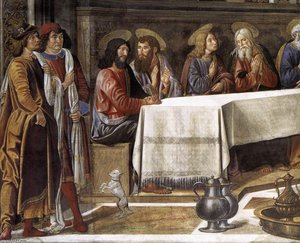
Переломный момент наступил в 1481 году, когда Росселли получил приглашение принять участие в создании монументального цикла фресок, украшающих стены Сикстинской капеллы в Риме. Этот заказ, совершенный бок о бок с такими светилами, как Пьетро Перуджино и Сандро Боттичелли, стал поворотной точкой в его карьере, выведя его на международную сцену. Основной темой этих фресок была тщательно выстроенная параллель между историями Моисея и Христа — намеренная попытка легитимизировать папскую власть и подчеркнуть преемственность божественного закона. Вклад Росселли был сосредоточен на сценах из жизни Иисуса, демонстрируя его способность превращать сложные повествования в визуально захватывающие композиции. Хотя более поздние свидетельства, в частности написанные Джорджо Вазари, изображали его как одного из менее одаренных участников проекта — подвергаемого даже насмешкам со стороны коллег, — сохранились записи о том, что смелое использование цвета и щедрое применение сусального золота особенно поразили самого Папу Сикста IV. Эта папская милость свидетельствует о тонком понимании декоративного эффекта и умении угодить вкусам своего покровителя — качествах, необходимых для успеха в конкурентном мире искусства Ренессанса. Его «Тайная вечеря» в капелле остается свидетельством этого периода, демонстрируя динамичную композицию и внимание к деталям, раскрывающие его растущее мастерство.Флорентийские заказы и расцвет стиля
Вернувшись из Рима во Флоренцию, Росселли продолжал получать постоянный поток заказов на алтарные образа, фрески и станковую живопись. В этот период его зрелый стиль расцвел, обретя черты утонченной композиции, элегантных фигур и все более детализированных пейзажем. Он сохранил линейную точность и яркие цвета, усвоенные у Гирландайо, но начал внедрять элементы более грациозной и гармоничной эстетики Перуджино. Значимые работы этого времени включают фрески для церкви Сантиссима-Аннунциата — важный заказ, позволивший ему продемонстрировать свой развивающийся стиль в грандиозном масштабе, — а также многочисленные алтарные образы, украшающие капеллы по всей Флоренции. Росселли выработал самобытный подход к изображению религиозных сцен, делая акцент на человеческих эмоциях и взаимодействиях, при этом сохраняя атмосферу благоговения и благочестия. Он обладал талантом передавать психологическое состояние своих героев, наделяя их ощущением внутренней жизни, которое находило отклик у современников. Включение портретов современников в библейские сюжеты также добавляло слой реализма и сопричастности, связывая священные истории с повседневной жизнью тех, кто созерцал их.Наследие и историческое значение
Косимо Росселли продолжал усердно работать на протяжении начала XVI века, получая заказы от видных флорентийских семей и религиозных институтов. Однако по мере восхождения новых звезд — прежде всего Рафаэля и Микеланджело — его значимость постепенно снижалась. Он скончался во Флоренции около 1520 года, оставив после себя наследие, отражающее его мастерство живописца и преданность изображению религиозных тем с ясностью и элегантностью. Сегодня Росселли помнят как искусного флорентийского мастера, сыгравшего важную роль в развитии искусства Ренессанса. Его участие в росписях Сикстинской капеллы помогло укрепить позиции Флоренции как ведущего центра художественных инноваций, а его собственные работы демонстрируют способность синтезировать различные влияния в самобытный и изысканный стиль. Хотя он, возможно, и не достиг той степени славы, что его современники, вклад Косимо Росселли остается значимым — как свидетельство его таланта, преданности делу и непреходящего наследия в богатой палитре искусства Возрождения.Влияния и художественное развитие
- Ранние основы: Мастерская Доменико Гирландайо заложила у Росселли важнейший фундамент в техниках живописи и принципах композиции, сформировав его ранние эстетические чувства.
- Римский опыт: Работа бок о бок с другими ведущими художниками Ренессанса в Сикстинской капелле открыла ему новые стили и подходы, расширив его художественные горизонты и повлияв на последующие работы. Совместная творческая среда способствовала обмену идеями и обострила восприятие современных тенденций. <
- Грация Перуджино: Изящный стиль Пьетро Перуджино и его гармоничные композиции оказали заметное влияние на развитие Росселли, побуждая его к совершенствованию фигур и созданию более сбалансированных построений. <
- Эхо прошлого: Он впитывал элементы стиля ранних мастеров, таких как Мазаччо и Фра Анжелико, внедряя их инновации — такие как реалистичное изображение пространства и эмоциональная экспрессия — в свой собственный уникальный стиль. Это демонстрирует глубокое понимание истории искусства и готовность учиться у предшественников.
Вопросы и ответы
Можно ли изучить использование цвета в творчестве Косимо Росселли во всех его работах?
Геном палитры художника Косимо Росселли — это страница, представляющая цветовую палитру всего его творчества.
Сколько произведений искусства Косимо Росселли доступно для просмотра?
Вы можете просмотреть 23 произведений искусства работ художника Косимо Росселли на странице Все произведения искусства.
Где я могу посмотреть работы Косимо Росселли, распределенные по настроению?
Работы Косимо Росселли можно просматривать по настроению на странице Комната настроения, где произведения распределены в соответствии с их эмоциональной окраской.