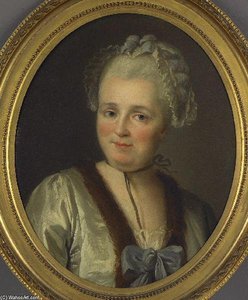
Anicet Charles Gabriel Lemonnier: Bridging Eras – From Neoclassical Elegance to Revolutionary Witness
Anicet Charles Gabriel Lemonnier (1743-1824) stands as a pivotal figure in French art history, embodying the transition from Baroque grandeur to the intellectual fervor of Neoclassicism and ultimately bearing witness to the tumultuous upheaval of the French Revolution. His artistic journey unfolded against a backdrop of societal transformation, marked by patronage shifts, stylistic innovations, and an unwavering commitment to preserving cultural heritage.
- Early Life & Training: Born in Rouen, Lemonnier’s formative years were shaped by instruction under Jean-Baptiste Descamps at the Rouen School of Fine Arts. This foundational training instilled a disciplined approach to artistic technique and established connections with influential figures who would propel his career forward.
- The Vien Circle & Parisian Salon Life: His association with Joseph-Marie Vien fostered an environment brimming with artistic ambition, exposing him to the luminaries of Vien’s circle – Jacques-Louis David and François-André Vincent. This exposure profoundly impacted Lemonnier's aesthetic sensibilities and cemented his place within the vibrant intellectual landscape of Paris’s salons.
- The Prix de Rome Triumph & Roman Influence: Lemonnier’s victory at the Prix de Rome in 1772 with “The Children of Niobe Killed by Apollo and Diana” secured him a coveted residency in Rome, where he immersed himself in the study of classical masterpieces. This period decisively shifted his artistic style towards Neoclassical ideals – characterized by clarity, order, and idealized forms – reflecting the broader cultural movement seeking inspiration from antiquity.
- Salon Paintings & Societal Portraiture: Lemonnier’s prolific output during the Salon era cemented his reputation as a masterful painter of contemporary life. Notably, “Evening with Madame Geoffrin” captured the essence of Enlightenment discourse and showcased his ability to portray prominent figures with psychological depth and artistic finesse.
- Revolutionary Engagement & Preservation Legacy: Lemonnier’s involvement in the Committee on Monuments during the French Revolution underscored his dedication to safeguarding France’s artistic treasures amidst political instability. His role in protecting artworks from suppressed religious institutions ensured their survival for future generations, solidifying his enduring contribution to French art history.
Lemonnier's legacy extends beyond his individual achievements; he represents a crucial link between stylistic traditions and intellectual currents—a testament to his profound impact on the artistic landscape of his time. His meticulous attention to detail and unwavering commitment to preserving cultural heritage continue to inspire admiration and scholarly inquiry.