Портрет Макс Вебер

Картины Макс Вебер: 75 самых известных работ, взгляд галереи

Обновлено Октябрь 2026 · рейтинг на основе нашего показателя популярности (количество поисковых запросов, посещений и заказов для каждой работы) · 76 работ Макс Вебер в нашем каталоге

Вкратце

По мнению экспертов галереи, самая известная картина Макс Вебер — это Gauguin Girl (1907). Figures in a Landscape (1911) и Woman Reading (1916) завершают трио, которое узнает каждый. Из 76 работ Макс Вебер в нашем каталоге ниже представлены 75 самых известных: каждая из них является оригиналом с указанием года создания, музея и уникальных особенностей.

1881 – 1961, Белосток Cubism Больше всего работ: The Phillips Collection

Топ-10 картин художника Макс Вебер в галерее

Картины художника Макс Вебер, в рейтинге с 11 по 75

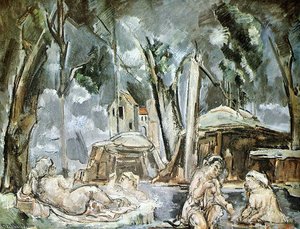
11untitled (833) работы Макс Веберuntitled (833) 12The Visit работы Макс ВеберThe VisitБруклинский музей 13untitled (8826) работы Макс Веберuntitled (8826) 14untitled (9740) работы Макс Веберuntitled (9740) 15untitled (7723) работы Макс Веберuntitled (7723) 16untitled (1521) работы Макс Веберuntitled (1521) 17The Cellist работы Макс ВеберThe CellistБруклинский музей 18High Noon (1925) работы Макс ВеберHigh Noon1925 · The Phillips Collection 19Colonial Bowl (1938) работы Макс ВеберColonial Bowl1938 · The Phillips Collection 20Rabbi (1940) работы Макс ВеберRabbi1940 · The Phillips Collection 21The Pearl Necklace (1940) работы Макс ВеберThe Pearl Necklace1940 22Adoration of the Moon (1944) работы Макс ВеберAdoration of the Moon1944 · Музей американского искусства Уитни 23Still Life (1944) работы Макс ВеберStill Life1944 · Институт искусств Чикаго 24Pacific Coast (1952) работы Макс ВеберPacific Coast1952 · Метрополитен-музей 25Last Snow работы Макс ВеберLast SnowThe Phillips Collection 26Draped Head работы Макс ВеберDraped HeadThe Phillips Collection 27untitled (5079) работы Макс Веберuntitled (5079) 28untitled (3187) работы Макс Веберuntitled (3187) 29untitled (2993) работы Макс Веберuntitled (2993) 30untitled (7940) работы Макс Веберuntitled (7940) 31untitled (8731) работы Макс Веберuntitled (8731) 32untitled (3049) работы Макс Веберuntitled (3049) 33Hair Dressing работы Макс ВеберHair Dressing 34untitled (3799) работы Макс Веберuntitled (3799) 35Bathers работы Макс ВеберBathers 36untitled (2499) работы Макс Веберuntitled (2499) 37untitled (283) работы Макс Веберuntitled (283) 38untitled (3830) работы Макс Веберuntitled (3830) 39untitled (7071) работы Макс Веберuntitled (7071) 40Summer работы Макс ВеберSummerСмитсоновский американский художественный музей 41Family Reunion работы Макс ВеберFamily Reunion 42untitled (8842) работы Макс Веберuntitled (8842) 43untitled (8566) работы Макс Веберuntitled (8566) 44untitled (5960) работы Макс Веберuntitled (5960) 45untitled (5086) работы Макс Веберuntitled (5086) 46untitled (2675) работы Макс Веберuntitled (2675) 47The Jewish Museum, New York работы Макс ВеберThe Jewish Museum, New York 48Jewish Museum Sabbath работы Макс ВеберJewish Museum Sabbath 49untitled (3350) работы Макс Веберuntitled (3350) 50untitled (4114) работы Макс Веберuntitled (4114) 51Study For Russian Ballet работы Макс ВеберStudy For Russian Ballet 52untitled (376) работы Макс Веберuntitled (376) 53untitled (612) работы Макс Веберuntitled (612) 54untitled (348) работы Макс Веберuntitled (348) 55Russian Ballet работы Макс ВеберRussian Ballet 56untitled (8120) работы Макс Веберuntitled (8120) 57untitled (5552) работы Макс Веберuntitled (5552) 58untitled (7412) работы Макс Веберuntitled (7412) 59untitled (1253) работы Макс Веберuntitled (1253) 60untitled (5066) работы Макс Веберuntitled (5066) 61untitled (2282) работы Макс Веберuntitled (2282) 62untitled (2592) работы Макс Веберuntitled (2592) 63untitled (7578) работы Макс Веберuntitled (7578) 64untitled (5875) работы Макс Веберuntitled (5875) 65untitled (4311) работы Макс Веберuntitled (4311) 66untitled (3637) работы Макс Веберuntitled (3637) 67untitled (608) работы Макс Веберuntitled (608) 68untitled (6242) работы Макс Веберuntitled (6242) 69Portrait Of Abraham Walkowitz работы Макс ВеберPortrait Of Abraham Walkowitz 70untitled (5637) работы Макс Веберuntitled (5637) 71Abbey Mill In Shrewsbury работы Макс ВеберAbbey Mill In Shrewsbury 72An Oblique работы Макс ВеберAn Oblique 73untitled (635) работы Макс Веберuntitled (635) 74untitled (9780) работы Макс Веберuntitled (9780) 75untitled работы Макс Веберuntitled

Знаменитые картины Макс Вебер по периодам творчества

Сюжеты, которые вдохновляли Макс Вебер

Четыре темы, которые чаще всего встречаются в этих оригиналах, каждая из которых представлена своим лучшим образцом.

Музеи, в которых хранятся оригиналы работ Макс Вебер

8 музеев, в которых находится большинство картин со страницы.

Музей Город Работы Макс Вебер Картины из этого списка
The Phillips Collection, Вашингтон, округ КолумбияThe Phillips Collection Вашингтон, округ Колумбия 5 High Noon, Colonial Bowl, Rabbi
Бруклинский музей, БруклинБруклинский музей Бруклин 2 The Visit, The Cellist
Музей искусств Джона и Мэйбл Ринглинг, СарасотаМузей искусств Джона и Мэйбл Ринглинг Сарасота 1 Untitled (Still Life)
Музей изящных искусств, БостонМузей изящных искусств Бостон 1 Path in the Woods
Музей американского искусства Уитни, Нью-ЙоркМузей американского искусства Уитни Нью-Йорк 1 Adoration of the Moon
Институт искусств Чикаго, ЧикагоИнститут искусств Чикаго Чикаго 1 Still Life
Метрополитен-музей, Нью-ЙоркМетрополитен-музей Нью-Йорк 1 Pacific Coast
Смитсоновский американский художественный музей, Вашингтон, округ КолумбияСмитсоновский американский художественный музей Вашингтон, округ Колумбия 1 Summer

Макс Вебер, одна знаковая картина в десятилетие

Произведения по десятилетиям

Выберите десятилетие, чтобы увидеть шедевр, определяющий его.

Картины Макс Вебер: ответы галереи

Какая картина Макс Вебер является самой известной из всех?Узнать ответ

Gauguin Girl (1907). Далее следуют Figures in a Landscape (1911) и Woman Reading (1916).

Сколько лет было Макс Вебер, когда была завершена работа Gauguin Girl?Узнать ответ

26 лет: Gauguin Girl датируется 1907 годом, а Макс Вебер родился в 1881.

Какие 10 лучших картин принадлежат Макс Вебер?Узнать ответ

Gauguin Girl, Figures in a Landscape, Woman Reading, Untitled (Still Life), Path in the Woods, untitled (1109), untitled (2416), untitled (5652), untitled (8675) и untitled (7238). В рейтинге выше указаны год создания и музей для каждой работы.

Сколько работ создал(а) Макс Вебер?Узнать ответ

В нашем каталоге представлено 76 работ Макс Вебер, созданных в период с 1907 по 1952.

Где висят самые известные оригинальные работы Макс Вебер?Узнать ответ

В основном в The Phillips Collection (Вашингтон, округ Колумбия), Бруклинский музей (Бруклин) и Музей искусств Джона и Мэйбл Ринглинг (Сарасота). В таблице выше перечислены все музеи.

Когда Макс Вебер создал свои самые известные картины?Узнать ответ

В 1940s: 5 из 75 работ на этой странице были созданы в этот период, Untitled (Still Life) из них.

Какие из самых известных работ Макс Вебер являются наиболее ранними и наиболее поздними?Узнать ответ

На этой странице самая ранняя работа датирована Gauguin Girl (1907), а самая поздняя — Pacific Coast (1952).

К каким сюжетам Макс Вебер обращался чаще всего?Узнать ответ

Nude figures (3), Melancholy mood (2) и American art (2) в 75 работах на этой странице.

С каким направлением связан Макс Вебер?Узнать ответ

Cubism, судя по оригиналам на этой странице.

Какие оригинальные работы Макс Вебер хранятся в The Phillips Collection?Узнать ответ

High Noon, Colonial Bowl и Rabbi: в коллекции The Phillips Collection, Вашингтон, округ Колумбия находится 5 работ со страницы.

Макс Вебер: художник

Early Life and the Seeds of Modernism

Max Weber, born in Białystok, Poland in 1881, embarked on a journey that would indelibly mark the landscape of American art. His formative years were steeped in the traditions of Orthodox Judaism, a heritage that would later profoundly shape his artistic vision. The family’s emigration to Brooklyn, New York, when Weber was just ten years old, proved transformative—a pivotal moment where Old World faith intersected with the burgeoning dynamism of the New World. This relocation thrust him into an environment brimming with innovation and cultural exchange, fostering a nascent modernist sensibility that would define his artistic trajectory. It was at Pratt Institute in Brooklyn that Weber initially encountered art formally, studying under Arthur Wesley Dow, whose groundbreaking approach to artistic creation championed stylistic experimentation and challenged conventional representational norms. Dow’s unwavering belief in liberating the artist from rigid rules—inspired by Japanese aesthetics and bolstered by connections to Paul Gauguin—planted the seeds of Weber's revolutionary thinking.

The Parisian Awakening and Introduction of Cubism

In 1905, Weber undertook a daring expedition to Europe, specifically Paris—the epicenter of artistic ferment and intellectual discourse—where he immersed himself in the city’s vibrant cultural landscape. His studies at Académie Julian served as merely a prelude to his true transformation; it was the palpable energy of Parisian ateliers and galleries that ignited his creative spirit. Weber forged enduring friendships with Henri Rousseau, whose evocative depictions of nature captivated him with their simplicity and profound emotional resonance. Simultaneously, he found himself drawn into the orbit of luminaries like Henri Matisse and Pablo Picasso—artists who were fundamentally reshaping perceptions of visual art by dismantling established conventions of representation. Weber frequented Gertrude Stein’s salon, a legendary gathering place for artists, writers, and intellectuals, absorbing the latest pronouncements on artistic theory and aesthetic ideals. This immersion in the School of Paris irrevocably altered Weber's artistic path, exposing him to groundbreaking ideas that would propel him toward stylistic innovation. Weber’s artistic sensibilities were further honed by encounters with influential figures who championed radical experimentation. Picasso’s pioneering exploration of Cubism—characterized by fractured planes and multiple perspectives—became a cornerstone of Weber’s artistic vocabulary. Similarly, Matisse's bold use of color and simplified forms served as inspiration for Weber’s own stylistic choices. These connections to European avant-garde movements underscored Weber’s commitment to pushing the boundaries of artistic expression.

Upon returning to New York in 1909, Weber embraced his role as a cultural ambassador, bravely introducing Cubism to an American audience largely unfamiliar with its revolutionary principles. His early canvases—such as Chinese Restaurant (1915)—demonstrate the unmistakable influence of Picasso’s geometric fragmentation and spatial distortion. However, this courageous undertaking was met not with universal acclaim but rather with considerable skepticism from segments of the art establishment.

Critical Backlash and a Steadfast Vision

The 1911 exhibition at the 291 Gallery—organized by Alfred Stieglitz—marked a watershed moment in Weber’s artistic career—and an agonizing one personally. His paintings were subjected to what many critics deemed “one of the most merciless critical whippings” ever inflicted upon an American artist. Critics dismissed his work as “brutal,” “vulgar,” and utterly devoid of aesthetic merit, labeling it as a betrayal of traditional artistic values. The public struggled to comprehend Weber’s stylistic departure from representational conventions—a deliberate rejection of illusionistic techniques in favor of geometric abstraction—and he endured considerable social ostracism. Despite this disheartening censure, Weber’s talent remained recognized by fellow artists who championed his vision. Alvin Langdon Coburn, Clarence White, and John Cotton Dana—artists deeply attuned to the burgeoning modernist movement—recognized the significance of Weber's pioneering efforts and offered invaluable support. Dana’s decision to host a solo exhibition at Newark Museum in 1913 represented a monumental step forward—the inaugural modernist showcase within an American institution, signaling a tentative acceptance of avant-garde artistic experimentation.

A Return to Figuration and Jewish Heritage

The persistent barrage of negative criticism spurred Weber to reassess his artistic direction. Around 1920, he began to temper the uncompromising rigor of Cubism, gravitating instead toward more expressive figurative compositions—a conscious effort to reconcile modernist principles with a renewed engagement with humanist themes. This stylistic shift wasn’t an abandonment of innovation but rather a deliberate exploration of new avenues for conveying emotion and capturing human experience. Weber's later paintings frequently depicted scenes from Jewish life—families gathered in intimate domestic settings, rabbis immersed in Talmudic study, and portraits imbued with profound spiritual depth—reflecting his enduring connection to his ancestral heritage. These canvases were characterized by meticulous detail and a palpable sense of nostalgia—a testament to Weber’s unwavering commitment to artistic integrity.

Weber's legacy extends far beyond his stylistic achievements; he stands as a symbol of artistic courage and perseverance in the face of adversity. Life magazine lauded him as “a pioneer of modern art in America” in 1945, recognizing his pivotal role in establishing American Cubism as a distinct artistic tradition. A comprehensive survey conducted by Look magazine in 1948 ranked Weber second only to John Marin among the foremost living American artists—a testament to his enduring influence on subsequent generations of painters.

  • Born: Białystok, Poland (1881)
  • Died: Great Neck, NY, 1961
  • Key Movements: Cubism, Modern Art, Expressionism

Все 76 работ Макс Вебер →
