Вкратце
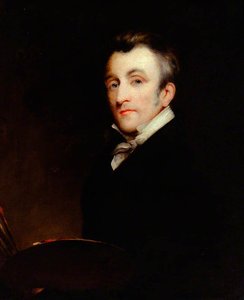
По мнению экспертов галереи, самая известная картина Thomas Ellerby — это Sir Francis Chantrey (1781–1841) (1821). George Nicholson (1828) и John Wilson Carmichael (1799–1868) (1839) завершают трио, которое узнает каждый. Из 6 работ Thomas Ellerby в нашем каталоге ниже представлены 6 самых известных: каждая из них является оригиналом с указанием года создания, музея и уникальных особенностей.
Топ-10 картин художника Thomas Ellerby в галерее
Сюжеты, которые вдохновляли Thomas Ellerby
Четыре темы, которые чаще всего встречаются в этих оригиналах, каждая из которых представлена своим лучшим образцом.
Dignified 2 работ
Музеи, в которых хранятся оригиналы работ Thomas Ellerby
2 музеев, в которых находится большинство картин со страницы.
| Музей | Город | Работы Thomas Ellerby | Картины из этого списка |
|---|---|---|---|
| Халл | 2 | Elizabeth Jane Gee (b.1812), Joseph Gee (1802–1860), of Cottingham House | |
| Ньюкасл-апон-Тайн | 1 | John Wilson Carmichael (1799–1868) |
Thomas Ellerby, одна знаковая картина в десятилетие
Произведения по десятилетиям
Выберите десятилетие, чтобы увидеть шедевр, определяющий его.
Картины Thomas Ellerby: ответы галереи
Какая картина Thomas Ellerby является самой известной из всех?Узнать ответ
Sir Francis Chantrey (1781–1841) (1821). Далее следуют George Nicholson (1828) и John Wilson Carmichael (1799–1868) (1839).
Сколько работ создал(а) Thomas Ellerby?Узнать ответ
В нашем каталоге представлено 6 работ Thomas Ellerby, созданных в период с 1821 по 1841.
Где висят самые известные оригинальные работы Thomas Ellerby?Узнать ответ
В основном в Ferens Art Gallery (Халл) и Laing Art Gallery (Ньюкасл-апон-Тайн). В таблице выше перечислены все музеи.
Когда Thomas Ellerby создал свои самые известные картины?Узнать ответ
В 1820s: 2 из 6 работ на этой странице были созданы в этот период, Sir Francis Chantrey (1781–1841) из них.
Какие из самых известных работ Thomas Ellerby являются наиболее ранними и наиболее поздними?Узнать ответ
На этой странице самая ранняя работа датирована Sir Francis Chantrey (1781–1841) (1821), а самая поздняя — Elizabeth Jane Gee (b.1812) (1841).
Какие оригинальные работы Thomas Ellerby хранятся в Ferens Art Gallery?Узнать ответ
Elizabeth Jane Gee (b.1812) и Joseph Gee (1802–1860), of Cottingham House: в коллекции Ferens Art Gallery, Халл находится 2 работ со страницы.
Thomas Ellerby: художник
Thomas Ellerby: A Portraitist of Regency London
Thomas Ellerby (10 January 1797 – 4 April 1861) emerged as a prominent figure in the artistic landscape of Victorian England, primarily recognized for his captivating portraits that graced the halls of The Royal Academy and captured the spirit of the era. Born at Low Pasture Farm, Welburn, Kirkbymoorside, Ellerby’s early life instilled within him an appreciation for observation and meticulous detail—qualities that would become hallmarks of his artistic practice. By 1824, he had relocated to London, establishing himself in Hatton Gardens and swiftly gaining acceptance into the prestigious Royal Academy, marking a pivotal moment in his burgeoning career.- Early Influences & Training: Ellerby’s formative years were shaped by exposure to influential artistic currents of the time, notably Neoclassicism. This stylistic preference—characterized by idealized forms and restrained emotion—would profoundly impact his oeuvre, informing his approach to capturing human subjects with grace and dignity.
- Royal Academy Exhibitions: Ellerby’s dedication to artistic excellence was demonstrated through his consistent participation in Royal Academy exhibitions from 1821 until 1857. During this period, he produced an impressive collection of seventy-two paintings, cementing his reputation as a respected artist and securing his place amongst the luminaries of British Fine Art.
- Notable Commissions & Subjects: Ellerby’s artistic success stemmed from numerous commissions—primarily portraits—that showcased his skill in portraying individuals with remarkable accuracy and sensitivity. Among his subjects were distinguished figures such as Sir Francis Chantrey, a celebrated sculptor known for his monumental works; George Nicholson, a prominent geologist and naturalist; and Joseph Gee, a respected clergyman.
Technique & Artistic Style
Ellerby’s artistic technique was characterized by meticulous realism combined with subtle neoclassical elegance. He skillfully employed oil paints on canvas to achieve luminous tonal gradations and nuanced textures—techniques that conveyed both physical likeness and psychological depth within his portraits. His compositions were carefully balanced, prioritizing clarity of form and harmonious color palettes. Ellerby's mastery of light and shadow contributed significantly to the expressive power of his paintings, elevating them beyond mere representations of appearance.- Color Palette: Ellerby favored muted tones—primarily browns, creams, and ochres—to create an atmosphere of understated sophistication. These colors complemented the subjects’ features, enhancing their presence and conveying a sense of quiet contemplation.
- Brushwork: His brushstrokes were deliberate and controlled, blending seamlessly to produce smooth surfaces that captured the subtleties of skin tone and drapery folds. This meticulous attention to detail underscored his commitment to portraying human form with precision and artistry.
Legacy & Museums Collections
Thomas Ellerby’s enduring legacy resides in his contribution to British portraiture during the Regency period—a time marked by intellectual curiosity and artistic innovation. His paintings continue to be admired for their beauty, accuracy, and psychological insight. Several of Ellerby's works are housed in museums across France and England, including Cherbourg Museums and Évreux Art Collection, ensuring that his artistic achievements endure as a testament to Victorian artistry.- Cherbourg Museums: Explore Ellerby’s portrait of Sir Francis Chantrey at Cherbourg Museums—a captivating example of Neoclassical realism and masterful technique.
- Évreux Art Collection: Discover Ellerby's depiction of George Nicholson within Évreux Art Collection—a testament to his ability to convey both physical likeness and psychological depth.


