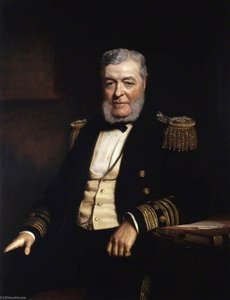
Портрет Стивен Пёрс

56 самых известных картин Стивен Пёрс, каждая из которых уникальна

Обновлено Октябрь 2026 · рейтинг на основе нашего показателя популярности (количество поисковых запросов, посещений и заказов для каждой работы) · 57 работ Стивен Пёрс в нашем каталоге

Вкратце

Alexander Stewart (1854) — это картина Стивен Пёрс, которая привлекает больше всего взглядов. Затем взгляд переходит на Robert Brown (1773–1858), DCL, LLD, FRS, PLS (1856) и "Antler" with Grey Petty (1840). Из 57 работ Стивен Пёрс в нашем каталоге эти 56 являются самыми известными: каждая из них — уникальный оригинал с указанием года создания, музея и причины ее бессмертия.

1819 – 1904, Чаринг-Кросс Academic realism Больше всего работ: Национальная портретная галерея

Топ-10 картин Стивен Пёрс глазами галереи

2
Robert Brown (1773–1858), DCL, LLD, FRS, PLS (1856) работы Стивен Пёрс

Robert Brown (1773–1858), DCL, LLD, FRS, PLS

1856 · Oil On Canvas · Collection of The Herbarium, Ричмонд

The man stares directly through the veil of years, his gaze meeting the viewer with a heavy, unyielding seriousness. He sits in a space where the background has dissolved into a deep, indistinct darkness, leaving nothing to distract from the weight of his presence. This is Robert Brown, captured in a moment of quiet, intellectual intensity. The light falls from above and slightly to the left, carving out the contours…

Знаменитые картины Стивен Пёрс, с 11 по 56

11Robert McCormick (1856) работы Стивен ПёрсRobert McCormick1856 · Национальная портретная галерея 12Stephen Pearce (1860) работы Стивен ПёрсStephen Pearce1860 · Национальная портретная галерея 13Sir Horatio Thomas Austin (1860) работы Стивен ПёрсSir Horatio Thomas Austin1860 · Национальная портретная галерея 14Rochfort Maguire (1860) работы Стивен ПёрсRochfort Maguire1860 · Национальная портретная галерея 15Sir (Francis) Leopold McClintock (1859) работы Стивен ПёрсSir (Francis) Leopold McClintock1859 · Национальная портретная галерея 16HRH Henry Frederick (1745–1790), 1st Duke of Cumberland and Strathearn (1884) работы Стивен ПёрсHRH Henry Frederick (1745–1790), 1st Duke of Cumberland and Strathearn1884 · The Library And Museum of Freemasonry 17John Barrow (1764–1848) (1846) работы Стивен ПёрсJohn Barrow (1764–1848)1846 · Королевское общество 18William Philip (1835–1897), 4th Earl of Sefton at Ashdown Park (1864) работы Стивен ПёрсWilliam Philip (1835–1897), 4th Earl of Sefton at Ashdown Park1864 · Walker Art Gallery 19Фрэнсис Раоун Хастингс (1754–1826), 2-й лорд Моира, впоследствии маркиз Хастингс (копия после Мартина Арчера Ши) (1884) работы Стивен ПёрсФрэнсис Раоун Хастингс (1754–1826), 2-й лорд Моира, впоследствии маркиз Хастингс (копия после Мартина Арчера Ши)1884 · The Library And Museum of Freemasonry 20Sherard Osborn (1847) работы Стивен ПёрсSherard Osborn1847 · Национальная портретная галерея 21George Payne Rainsford James (1846) работы Стивен ПёрсGeorge Payne Rainsford James1846 · Национальная портретная галерея 22Sir Francis Beaufort (1850) работы Стивен ПёрсSir Francis Beaufort1850 · Национальная портретная галерея 23Sir James Clark Ross (1850) работы Стивен ПёрсSir James Clark Ross1850 · Национальная портретная галерея 24John Rae (1813–1893), Arctic Explorer (1853) работы Стивен ПёрсJohn Rae (1813–1893), Arctic Explorer1853 · Шотландская национальная портретная галерея 25Frederick William Beechey (1850) работы Стивен ПёрсFrederick William Beechey1850 · Национальная портретная галерея 26William Penny (1853) работы Стивен ПёрсWilliam Penny1853 · Национальная портретная галерея 27Joseph René Bellot (1851) работы Стивен ПёрсJoseph René Bellot1851 · Национальная портретная галерея 28William Alexander Baillie Hamilton (1850) работы Стивен ПёрсWilliam Alexander Baillie Hamilton1850 · Национальная портретная галерея 29Sir John Richardson (1850) работы Стивен ПёрсSir John Richardson1850 · Национальная портретная галерея 30Sir Richard Collinson (1855) работы Стивен ПёрсSir Richard Collinson1855 · Национальная портретная галерея 31Sir Edward Sabine (1850) работы Стивен ПёрсSir Edward Sabine1850 · Национальная портретная галерея 32Somerset Richard Lowry Corry (1835–1913), 4th Earl Belmore (1857) работы Стивен ПёрсSomerset Richard Lowry Corry (1835–1913), 4th Earl Belmore1857 33David Walker (1860) работы Стивен ПёрсDavid Walker1860 · Национальная портретная галерея 34Sir Henry Kellett (1856) работы Стивен ПёрсSir Henry Kellett1856 · Национальная портретная галерея 35Thomas Edward Laws Moore (1860) работы Стивен ПёрсThomas Edward Laws Moore1860 · Национальная портретная галерея 36Sir (Francis) Leopold McClintock (1859) работы Стивен ПёрсSir (Francis) Leopold McClintock1859 · Национальная портретная галерея 37Sir Roderick Impey Murchison, 1st Bt (1856) работы Стивен ПёрсSir Roderick Impey Murchison, 1st Bt1856 · Национальная портретная галерея 38Rear Admiral Sir Francis Beaufort (1774–1857) (1856) работы Стивен ПёрсRear Admiral Sir Francis Beaufort (1774–1857)1856 · National Maritime Museum 39William Robert Hobson (1860) работы Стивен ПёрсWilliam Robert Hobson1860 · Национальная портретная галерея 40Sir Edward Belcher (1859) работы Стивен ПёрсSir Edward Belcher1859 · Национальная портретная галерея 41Sir Erasmus Ommanney (1861) работы Стивен ПёрсSir Erasmus Ommanney1861 · Национальная портретная галерея 42Daniel Robert Scratton of Prittlewell Priory, Essex (1867) работы Стивен ПёрсDaniel Robert Scratton of Prittlewell Priory, Essex1867 43William Seppings, Mayor (1848) (1869) работы Стивен ПёрсWilliam Seppings, Mayor (1848)1869 44Lord Kesteven on a Horse, with Hounds (1871) работы Стивен ПёрсLord Kesteven on a Horse, with Hounds1871 · Usher Gallery 45Captain Sir James Clark Ross (1871) работы Стивен ПёрсCaptain Sir James Clark Ross1871 · National Maritime Museum 46Sir George Henry Richards (1865) работы Стивен ПёрсSir George Henry Richards1865 · Национальная портретная галерея 47Sir George Strong Nares (1877) работы Стивен ПёрсSir George Strong Nares1877 · Национальная портретная галерея 48Edward Sabine (1788–1883) (1855) работы Стивен ПёрсEdward Sabine (1788–1883)1855 · Королевское общество 49Sir Allen William Young (1876) работы Стивен ПёрсSir Allen William Young1876 · Национальная портретная галерея 50Philip Wykeham Martin, MP (1880) работы Стивен ПёрсPhilip Wykeham Martin, MP1880 · Guildhall Museum 51Sir Erasmus Wilson (1809–1884) (1882) работы Стивен ПёрсSir Erasmus Wilson (1809–1884)1882 52Admiral John Lort Stokes (1812–1885) (1879) работы Стивен ПёрсAdmiral John Lort Stokes (1812–1885)1879 · National Maritime Museum 53Benjamin Leigh Smith (1886) работы Стивен ПёрсBenjamin Leigh Smith1886 · Национальная портретная галерея 54John Franklin (1786–1847) (after Joseph Mathias Negelen) работы Стивен ПёрсJohn Franklin (1786–1847) (after Joseph Mathias Negelen)Scott Polar Research Institute 55Sir Edward Augustus Inglefield (copy after an original of c.1853 by the artist) работы Стивен ПёрсSir Edward Augustus Inglefield (copy after an original of c.1853 by the artist) 56The Arctic Council planning a search for Sir John Franklin (1851) работы Стивен ПёрсThe Arctic Council planning a search for Sir John Franklin1851 · Национальная портретная галерея

Сюжеты, которые вдохновляли Стивен Пёрс

Четыре темы, которые чаще всего встречаются в этих оригиналах, каждая из которых представлена своим лучшим образцом.

Музеи, в которых хранятся оригиналы работ Стивен Пёрс

8 музеев, в которых находится большинство картин со страницы.

Музей Город Работы Стивен Пёрс Картины из этого списка
Национальная портретная галерея, ЛондонНациональная портретная галерея Лондон 35 John Rae, Sir Robert McClure, William Kennedy
National Maritime Museum, ЛондонNational Maritime Museum Лондон 3 Rear Admiral Sir Francis Beaufort (1774–1857), Captain Sir James Clark Ross, Admiral John Lort Stokes (1812–1885)
The Library And Museum of Freemasonry, LondonThe Library And Museum of Freemasonry London 2 HRH Henry Frederick (1745–1790), 1st Duke of Cumberland and Strathearn, Фрэнсис Раоун Хастингс (1754–1826), 2-й лорд Моира, впоследствии маркиз Хастингс (копия после Мартина Арчера Ши)
Королевское общество, ЛондонКоролевское общество Лондон 2 John Barrow (1764–1848), Edward Sabine (1788–1883)
Collection of The Herbarium, РичмондCollection of The Herbarium Ричмонд 1 Robert Brown (1773–1858), DCL, LLD, FRS, PLS
Королевская коллекция, ЛондонКоролевская коллекция Лондон 1 "Antler" with Grey Petty
Walker Art Gallery, ЛиверпульWalker Art Gallery Ливерпуль 1 William Philip (1835–1897), 4th Earl of Sefton at Ashdown Park
Шотландская национальная портретная галерея, ЭдинбургШотландская национальная портретная галерея Эдинбург 1 John Rae (1813–1893), Arctic Explorer

Стивен Пёрс сквозь десятилетия: по одному уникальному оригиналу на каждое десятилетие

Произведения по десятилетиям

Выберите десятилетие, чтобы увидеть шедевр, определяющий его.

Картины Стивен Пёрс: вопросы к галерее

Какая работа Стивен Пёрс является самой известной?Узнать ответ

Alexander Stewart (1854). Далее следуют Robert Brown (1773–1858), DCL, LLD, FRS, PLS (1856) и "Antler" with Grey Petty (1840).

В каком возрасте Стивен Пёрс создал(а) Alexander Stewart?Узнать ответ

35 лет: Alexander Stewart датируется 1854 годом, а Стивен Пёрс родился в 1819.

Какие десять картин Стивен Пёрс являются самыми известными?Узнать ответ

Alexander Stewart, Robert Brown (1773–1858), DCL, LLD, FRS, PLS, "Antler" with Grey Petty, John Rae, Sir Robert McClure, William Kennedy, Sir Edward Augustus Inglefield, Sir William Edward Parry, John Barrow и Emily Louise Shepherd (1814–1904), Countess Belmore. В рейтинге выше указаны год создания и музей для каждой работы.

Сколько известно работ Стивен Пёрс?Узнать ответ

В нашем каталоге представлено 57 работ Стивен Пёрс, созданных в период с 1840 по 1886.

Где можно увидеть подлинники, созданные Стивен Пёрс?Узнать ответ

В основном в Национальная портретная галерея (Лондон), National Maritime Museum (Лондон) и The Library And Museum of Freemasonry (London). В таблице выше перечислены все музеи.

В какой период Стивен Пёрс создал свои самые известные картины?Узнать ответ

В 1850s: 29 из 56 работ на этой странице были созданы в этот период, Alexander Stewart из них.

Какая из знаменитых картин Стивен Пёрс была написана раньше, а какая — позже?Узнать ответ

На этой странице самая ранняя работа датирована "Antler" with Grey Petty (1840), а самая поздняя — Benjamin Leigh Smith (1886).

Какие сюжеты предпочитал Стивен Пёрс?Узнать ответ

Victorian era (9), Formal attire (8) и Portrait (8) в 56 работах на этой странице.

Какими материалами чаще всего пользовался Стивен Пёрс?Узнать ответ

Oil On Canvas, для 5 из 56 работ на этой странице.

К какому направлению относится творчество Стивен Пёрс?Узнать ответ

Academic realism, судя по оригиналам на этой странице.

Какие оригинальные работы Стивен Пёрс можно увидеть в Национальная портретная галерея?Узнать ответ

John Rae, Sir Robert McClure и William Kennedy: в коллекции Национальная портретная галерея, Лондон находится 35 работ со страницы.

Стивен Пёрс: портрет художника

Stephen Pearce (1819–1904): A Victorian Portraitist and Equestrian Pioneer

Stephen Pearce, born November 16, 1819, in the quiet London suburb of Kings Meadow, was destined for a life inextricably linked to England’s aristocratic heritage. As the sole child of Stephen Pearce—a clerk within the Department of the Master of Horse—and Ann Whittington, his upbringing instilled not merely decorum but access to subjects that would define much of his artistic journey: the magnificent horses of the Royal Mews. This familial connection fostered a profound appreciation for tradition and craftsmanship – qualities that would permeate his oeuvre throughout his life. Formal training commenced at Sass’s Academy in Charlotte Street, a respected institution prioritizing artistic excellence, followed by rigorous study at the prestigious Royal Academy Schools beginning in 1840. A pivotal moment arrived in 1841 when he became a pupil of Sir Martin Archer Shee—a titan of Victorian portraiture whose influence shaped Pearce's approach to capturing likeness and conveying character with remarkable subtlety. These formative years established him as an artist deeply rooted in the academic tradition, preparing him for a career balancing meticulous technique with evolving artistic sensibilities.

Early Life and Artistic Foundations

Pearce’s early life was marked by privilege and intellectual curiosity. His father's position within the Royal Household provided invaluable exposure to equestrian pursuits and aristocratic society—subjects that would become recurring motifs in his paintings. The Academy Schools instilled a disciplined aesthetic, emphasizing anatomical accuracy and tonal gradation – skills honed through tireless observation and diligent practice. Shee’s mentorship championed psychological realism, encouraging Pearce to delve beyond mere surface appearance and explore the inner life of his subjects. This dedication to craft foreshadowed his later success as an animalier—a painter specializing in depictions of animals—particularly horses—a genre that would become synonymous with his artistic identity.

A Versatile Career: Portraiture, Equine Art, and Literary Circles

Pearce’s professional life unfolded across decades, demonstrating remarkable versatility. From 1842 to 1846, he served as an amanuensis—a secretary—to the celebrated novelist Charles Lever, immersing himself in literary circles and absorbing insights into narrative structure and character development – skills that subtly informed his portraiture’s psychological depth. His initial artistic triumphs centered on paintings of favored horses within the Royal Mews, exhibited at the Royal Academy in 1839 and again in 1841, establishing him as a skilled animalier recognized for capturing both physical form and expressive emotion. A transformative journey to Italy around 1849 refined his aesthetic sensibilities before he resumed regular contributions to Burlington House exhibitions upon his return to England—a period marked by stylistic evolution toward greater tonal richness and atmospheric depth. He wasn’t confined by genre, seamlessly blending equestrian art with portraiture, reflecting the broader cultural fascination with horses and horsemanship prevalent during Victorian Britain.

The Arctic Explorer Portraits: A Defining Commission

Perhaps Pearce's most enduring legacy resides in his monumental depiction of the Arctic exploration movement—specifically “The Arctic Council discussing a plan of search for Sir John Franklin” (1851). Commissioned by Colonel John Barrow, this ambitious undertaking captured the fervor surrounding the quest to locate Franklin’s lost expedition—a daring endeavor that captivated the public imagination. Pearce skillfully rendered the prominent figures involved—Robert McClure, Leopold McClintock, and John Barrow Jr.—each imbued with individual character and contributing to a palpable sense of deliberation and strategic planning. The painting transcends mere historical record; it embodies Pearce's artistic vision as a dramatic narrative, meticulously crafted to convey both intellectual rigor and emotional resonance. This masterpiece cemented his reputation as an artist capable of translating complex ideas into compelling visual representations—a testament to his mastery of technique and storytelling.

Legacy and Historical Significance

Stephen Pearce’s contribution to Victorian art is undeniable. His unwavering commitment to anatomical accuracy, combined with sensitivity to tonal gradation and atmospheric perspective, solidified his position within the academic tradition—the dominant aesthetic force of his era. The enduring popularity of equestrian subjects mirrored a broader cultural preoccupation with nobility and horsemanship—a fascination that extended throughout aristocratic society. Furthermore, Pearce’s Arctic paintings stand as poignant reminders of Victorian Britain's ambition to explore uncharted territories and confront formidable challenges—a reflection of the intellectual spirit and adventurous ethos characteristic of the period. His meticulous attention to detail—evident in his self-portraits and numerous equine portraits—provided invaluable insight into artistic practice during his time, securing his place as a significant figure within British art history. Pearce’s legacy continues to inspire admiration for his technical prowess and artistic vision—a testament to his enduring contribution to Victorian culture and artistic achievement.
  • National Portrait Gallery Collection: Forty-four portraits by Stephen Pearce remain in the National Portrait Gallery, London.
  • Notable Works: “The Arctic Council,” “Coursing at Ashdown Park,” “Alexander Stewart,” “John Rae” are among his most celebrated paintings.