Портрет Solon Borglum

13 самых известных картин Solon Borglum, каждая из которых уникальна

Обновлено Ноябрь 2026 · рейтинг на основе нашего показателя популярности (количество поисковых запросов, посещений и заказов для каждой работы) · 13 работ Solon Borglum в нашем каталоге

Вкратце

The teacher of sciences\n\nThe teacher of sciences (1900) — это самая популярная картина Solon Borglum; оригинал находится в Museum of the Man of the Northeast, Recife. Затем взгляд переходит на Lassoing Wild Horses (1902) и Saint John the Baptist baptizing on the banks of the river\n\nSaint John the Baptist baptizing on the banks of the river (1900). Из 13 работ Solon Borglum в нашем каталоге эти 13 являются самыми известными: каждая из них — уникальный оригинал с указанием года создания, музея и причины ее бессмертия.

1868 – 1922, Ogden American realism Больше всего работ: Museum of the Man of the Northeast

Топ-10 картин Solon Borglum глазами галереи

4
Укусы диких лошадей работы Solon Borglum

Укусы диких лошадей

В мире искусства имя Солона Ханнибала Борглума, американского скульптора конца XIX – начала XX веков, часто уступает место своему более знаменитому брату, Гутзону Борглуму, создателю монументальных фигур для Маунт-Рейджера. Однако, Солон оставил после себя значительное художественное наследие, особенно в изображении жизни американского Запада – сурового, величественного и полным духа приключений. Его скульптура «Ловля диких лошадей» (Lassoing Wild Horses), выполненная из бронзы, является ярким примером этого наследия, демонстрируя не только мастерство…

Знаменитые картины Solon Borglum, с 11 по 13

Сюжеты, которые вдохновляли Solon Borglum

Четыре темы, которые чаще всего встречаются в этих оригиналах, каждая из которых представлена своим лучшим образцом.

Музеи, в которых хранятся оригиналы работ Solon Borglum

6 музеев, в которых находится большинство картин со страницы.

Музей Город Работы Solon Borglum Картины из этого списка
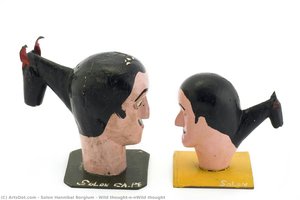
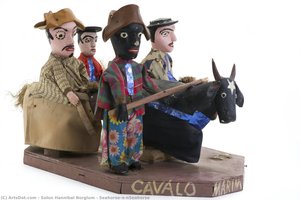
Museum of the Man of the Northeast, RecifeMuseum of the Man of the Northeast Recife 4 The teacher of sciences\n\nThe teacher of sciences, Saint John the Baptist baptizing on the banks of the river\n\nSaint John the Baptist baptizing on the banks of the river, Wild thought\n\nWild thought
New Britain Museum of American Art, Нью-БритейнNew Britain Museum of American Art Нью-Бритейн 3 Distant Hills (Clouds over Black Mountain), Sheep Near Madam Modjeska's Forest of Arden, The Horse's Head
Национальный музей ковбоев и западной культуры, Оклахома-СитиНациональный музей ковбоев и западной культуры Оклахома-Сити 2 Укусы диких лошадей, One in a Thousand
Смитсоновский американский художественный музей, Вашингтон, округ КолумбияСмитсоновский американский художественный музей Вашингтон, округ Колумбия 2 Plant Study, Cow
Amon Carter Museum of American Art, Форт-УэртAmon Carter Museum of American Art Форт-Уэрт 1 Lassoing Wild Horses
Денверский художественный музей, ДенверДенверский художественный музей Денвер 1 Lassoing Wild Horses

Solon Borglum сквозь года: уникальные оригиналы каждой работы

Между первой и последней датами оригинальных работ Solon Borglum, представленных здесь, — 1890 и 1902, — разница составляет 13 лет: каждый год занимает свое место ниже.

Работы по годам

Выберите год, чтобы увидеть оригиналы.

Картины Solon Borglum: вопросы к галерее

Какая работа Solon Borglum является самой известной?Узнать ответ

The teacher of sciences\n\nThe teacher of sciences (1900), Museum of the Man of the Northeast, Recife. Далее следуют Lassoing Wild Horses (1902) и Saint John the Baptist baptizing on the banks of the river\n\nSaint John the Baptist baptizing on the banks of the river (1900).

В каком возрасте Solon Borglum создал(а) The teacher of sciences\n\nThe teacher of sciences?Узнать ответ

32 лет: The teacher of sciences\n\nThe teacher of sciences датируется 1900 годом, а Solon Borglum родился в 1868.

Какие десять картин Solon Borglum являются самыми известными?Узнать ответ

The teacher of sciences\n\nThe teacher of sciences, Lassoing Wild Horses, Saint John the Baptist baptizing on the banks of the river\n\nSaint John the Baptist baptizing on the banks of the river, Укусы диких лошадей, Distant Hills (Clouds over Black Mountain), Plant Study, Sheep Near Madam Modjeska's Forest of Arden, The Horse's Head, Wild thought\n\nWild thought и Lassoing Wild Horses. В рейтинге выше указаны год создания и музей для каждой работы.

Сколько известно работ Solon Borglum?Узнать ответ

В нашем каталоге представлено 13 работ Solon Borglum, созданных в период с 1890 по 1902.

Где можно увидеть подлинники, созданные Solon Borglum?Узнать ответ

В основном в Museum of the Man of the Northeast (Recife), New Britain Museum of American Art (Нью-Бритейн) и Национальный музей ковбоев и западной культуры (Оклахома-Сити). В таблице выше перечислены все музеи.

В какой период Solon Borglum создал свои самые известные картины?Узнать ответ

В 1900: 4 из 13 работ на этой странице были созданы в этот период, The teacher of sciences\n\nThe teacher of sciences из них.

Какая из знаменитых картин Solon Borglum была написана раньше, а какая — позже?Узнать ответ

На этой странице самая ранняя работа датирована Distant Hills (Clouds over Black Mountain) (1890), а самая поздняя — Lassoing Wild Horses (1902).

Какие сюжеты предпочитал Solon Borglum?Узнать ответ

Sculpture (3), Cowboy (3) и Man (2) в 13 работах на этой странице.

Какими материалами чаще всего пользовался Solon Borglum?Узнать ответ

Bronze, для 2 из 13 работ на этой странице.

К какому направлению относится творчество Solon Borglum?Узнать ответ

American realism, судя по оригиналам на этой странице.

Какие оригинальные работы Solon Borglum можно увидеть в Museum of the Man of the Northeast?Узнать ответ

The teacher of sciences\n\nThe teacher of sciences, Saint John the Baptist baptizing on the banks of the river\n\nSaint John the Baptist baptizing on the banks of the river и Wild thought\n\nWild thought: в коллекции Museum of the Man of the Northeast, Recife находится 4 работ со страницы.
Solon Borglum: портрет художника

A Sculptor of the American West: The Life and Art of Solon Hannibal Borglum

Solon Hannibal de la Mothe Borglum, born December 22, 1868, in Ogden, Utah, was a sculptor whose work became inextricably linked with the spirit and landscape of the American West. Though often overshadowed by his more famous brother, Gutzon Borglum – creator of Mount Rushmore – Solon carved out a distinct artistic identity, one deeply rooted in realism and imbued with a sensitive portrayal of frontier life. His story is one of familial complexity, artistic dedication, and a profound connection to the evolving narrative of a nation forging its identity. The early years of his life were marked by an unconventional family dynamic; his father, James Borglum, a Danish immigrant and Mormon polygamist, was married to two sisters, Ida and Christina Mikkelsen. This arrangement led to a fractured childhood for Solon, particularly after his mother, Christina, left the family when he was young – a subject discouraged from discussion within the household. He spent formative years on the Nebraska prairie where his father practiced medicine, developing an intimate understanding of the land and its inhabitants. Initially drawn to the life of a cowboy-rancher, it was his brother Gutzon who recognized and nurtured Solon’s artistic inclinations, encouraging him to pursue formal training.

From Paris to the Prairie: Artistic Development and Style

Solon's artistic journey led him first to the Cincinnati Art Academy from 1895 to 1897, where he began to hone his skills. However, it was his subsequent studies in Paris at the Académie Julian under Emmanuel Fremiet that truly shaped his aesthetic vision. There, he gained recognition as “le sculpteur de la prairie” – the sculptor of the prairie – a testament to the unique perspective he brought to European artistic circles. His time in Paris exposed him to classical traditions and refined sculpting techniques, yet he remained steadfastly committed to depicting the scenes and subjects that resonated with his American experience. Borglum’s style is characterized by meticulous realism, an acute understanding of anatomy and movement, and a narrative depth that breathes life into his creations. He didn't merely represent figures; he captured moments, emotions, and the essence of a disappearing way of life. His work focused primarily on depicting life in the American West, particularly scenes involving cowboys, Native Americans, and the vast, untamed landscapes that defined the era. Notable sculptures include “Saint John the Baptist baptizing on the banks of the river” (1900), now housed in Recife, Brazil, a piece demonstrating his mastery of Baroque realism and dramatic composition, and drawings like "Cow" at the Smithsonian American Art Museum, showcasing his ability to capture the raw power and beauty of animal life.

War, Teaching, and a Lasting Legacy

The outbreak of World War I saw Solon shift his focus from artistic creation to service. He worked with the YMCA, contributing to Les Foyers du Soldat service clubs in France, providing respite and support for soldiers on the front lines. His dedication was recognized with the Croix de Guerre, a testament to his selfless contributions during wartime. Following the war, Borglum returned to the United States and founded the School of American Sculpture in New York City. Driven by a desire to pass on his knowledge and expertise, he mentored aspiring artists, developing a textbook titled *Sound Construction* as a guide for his students. This pedagogical endeavor reflects his commitment to fostering a new generation of sculptors grounded in both technical skill and artistic vision. Tragically, Solon Borglum’s life was cut short on January 31, 1922, following an appendectomy. However, his legacy endured through the dedication of his wife, Emma Vignal, and later through his daughter Monica and her husband, who diligently preserved and exhibited his work, ensuring that his artistic contributions would not be forgotten.

A Bridge Between Eras: Historical Significance

Solon Borglum’s impact on American sculpture lies in his ability to bridge the gap between realism and iconic representations of frontier life. He didn't romanticize the West; he depicted it with honesty, sensitivity, and a deep understanding of its complexities. His sympathetic portrayal of Native Americans was particularly noteworthy, challenging prevailing stereotypes and offering a more nuanced perspective on their culture and experiences. Borglum’s teachings and artistic style influenced numerous artists, including Paul Manship, who studied under him and went on to become a prominent sculptor in his own right. Today, the New Britain Museum of American Art houses a significant collection of Borglum's sculptures and related materials, safeguarding his art for future generations. His work provides invaluable insights into the cultural landscape of the late 19th and early 20th centuries, reflecting both the romantic allure and the harsh realities of life in the American West. Through his remarkable sculptures and drawings, Solon Hannibal Borglum continues to inspire artists and art enthusiasts alike, reminding us of a pivotal era in American history and the enduring power of artistic expression. His legacy is not merely one of sculpted forms but of stories told in bronze and stone, capturing the heart and soul of a nation.