


1


Обновлено Ноябрь 2026 · рейтинг на основе нашего показателя популярности (количество поисковых запросов, посещений и заказов для каждой работы) · 59 работ Robert Gwathmey в нашем каталоге
Вкратце
The Farmer Wanted a Boy (1942) — это самая популярная картина Robert Gwathmey; оригинал находится в Институт искусств Чикаго, Чикаго. Затем взгляд переходит на Portrait of a Farmer's Wife (1951) и Parade (1951). Из 59 работ Robert Gwathmey в нашем каталоге эти 56 являются самыми известными: каждая из них — уникальный оригинал с указанием года создания, музея и причины ее бессмертия.


The Parade painting by Robert Gwathmey is a remarkable piece of art that showcases the artist's unique style and technique. Created in 1951, this watercolour painting measures 53 x 36 cm and is currently housed at the Smithsonian American Art Museum in the United States. Artist Background Robert Gwathmey was an American artist known for his bold and expressive works of art. Born in 1903, he was a prominent figure…


 Untitled (853)
12
 Untitled (574)
13
 Untitled (791)
14
 Untitled (219)
15
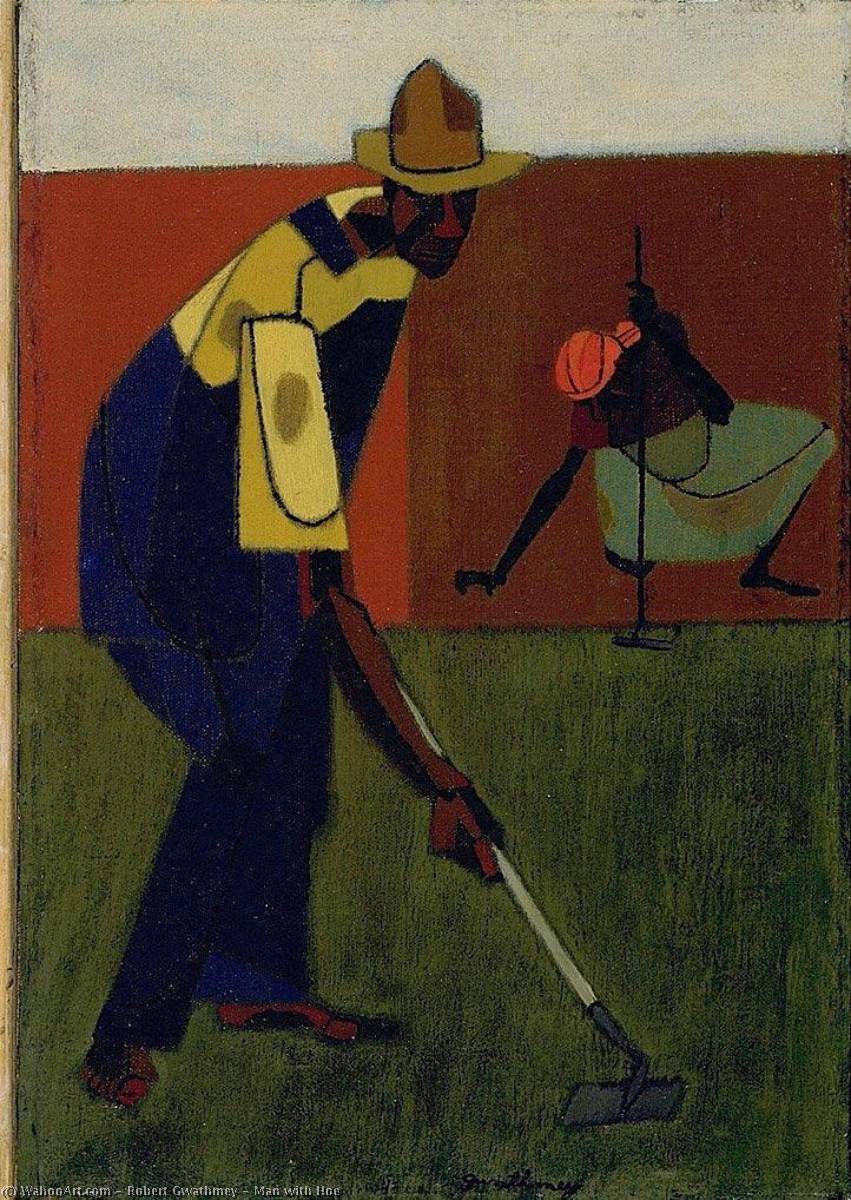
 Man with Hoe1944
16
 Singing and Mending1944
17
 Front Porch1947
18
 Poll Tax Country1945
19
 Sharecroppers and Blackberry Pickers1950
20
 Carrying the Sack1950
21
 Asleep at the Table1945 · Ogden Museum of Southern Art
22
 Untitled (813)
23
 Untitled (585)
24
 Untitled (196)
25
 Untitled (106)
26
 Untitled (721)
27
 Untitled (226)
28
 Untitled (193)
29
 Untitled (805)
30
 Untitled (561)
31
 Untitled (348)
32
 Untitled (491)
33
 Untitled (360)
34
 Untitled (416)
35
 Untitled (558)
36
 Untitled (285)
37
 Untitled (857)
38
 Untitled (207)
39
 Untitled (788)
40
 Untitled (724)
41
 Untitled (668)
42
 Untitled (655)
43
 Untitled (626)
44
 Untitled (735)
45
 Untitled (909)
46
 Untitled (968)
47
 Untitled (878)
48
 Untitled (106)
49
 Untitled (958)
50
 Untitled (857)
51
 Untitled (430)
52
 Untitled (750)
53
 Untitled (183)
54
 Untitled (229)
55
 Untitled (565)
56
 Going Home
2 музеев, в которых находится большинство картин со страницы.
| Музей | Город | Работы Robert Gwathmey | Картины из этого списка |
|---|---|---|---|
 Институт искусств Чикаго |
Чикаго | 1 | The Farmer Wanted a Boy |
 Ogden Museum of Southern Art |
Новый Орлеан | 1 | Asleep at the Table |
Представленные здесь оригинальные работы Robert Gwathmey, датированные примерно десятилетним периодом с 1942 по 1951, позволяют проследить эволюцию стиля год за годом.
Выберите год, чтобы увидеть оригиналы.


The Farmer Wanted a Boy (1942), Институт искусств Чикаго, Чикаго. Далее следуют Portrait of a Farmer's Wife (1951) и Parade (1951).
39 лет: The Farmer Wanted a Boy датируется 1942 годом, а Robert Gwathmey родился в 1903.
The Farmer Wanted a Boy, Portrait of a Farmer's Wife, Parade, Untitled (504), Untitled (978), Untitled (811), Untitled (540), Untitled (830), Untitled (598) и Untitled (389). В рейтинге выше указаны год создания и музей для каждой работы.
В нашем каталоге представлено 59 работ Robert Gwathmey, созданных в период с 1942 по 1951.
В основном в Институт искусств Чикаго (Чикаго) и Ogden Museum of Southern Art (Новый Орлеан). В таблице выше перечислены все музеи.
В 1944: 2 из 56 работ на этой странице были созданы в этот период, Man with Hoe из них.
На этой странице самая ранняя работа датирована The Farmer Wanted a Boy (1942), а самая поздняя — Portrait of a Farmer's Wife (1951).
Social realism, судя по оригиналам на этой странице.