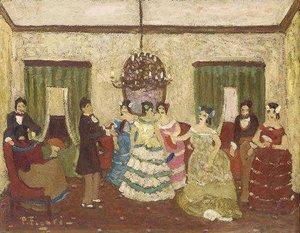
Портрет Педро Фигари

56 самых известных картин Педро Фигари, каждая из которых уникальна

Обновлено Октябрь 2026 · рейтинг на основе нашего показателя популярности (количество поисковых запросов, посещений и заказов для каждой работы) · 56 работ Педро Фигари в нашем каталоге

Вкратце

Tertulia at the inn before eating. The inn (1919) — это самая популярная картина Педро Фигари; оригинал находится в Национальный музей изобразительных искусств, Буэнос-Айрес. Затем взгляд переходит на Candombe carnival (1932) и Lavanderas En Los Medanos O Los Amigos. Из 56 работ Педро Фигари в нашем каталоге эти 56 являются самыми известными: каждая из них — уникальный оригинал с указанием года создания, музея и причины ее бессмертия.

1861 – 1938, Монтевидео Impressionism Больше всего работ: Национальный музей изобразительных искусств

Топ-10 картин Педро Фигари глазами галереи

4
El Beso работы Педро Фигари

El Beso

El Beso is an oil painting on canvas by Pedro Figari. Born in Montevideo in 1861, the artist lived until 1938, a period that saw him transition from a career in law and politics to a dedicated practice in the visual arts. His later years were defined by a shift toward a unique, intuitive approach to painting, often reconstructing scenes from memory rather than direct observation.

Знаменитые картины Педро Фигари, с 11 по 56

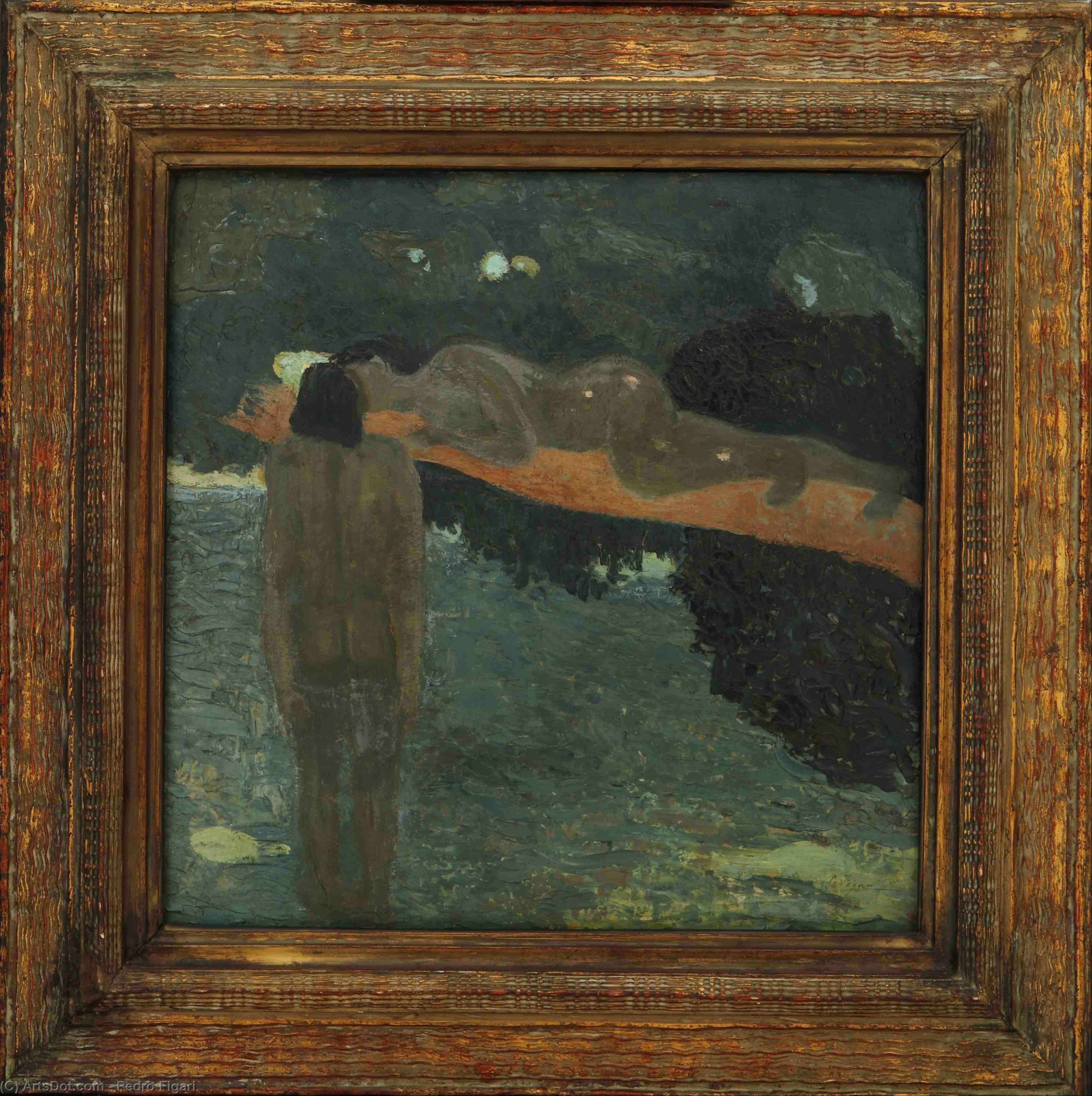
11La Vida работы Педро ФигариLa Vida 12El Requiebro работы Педро ФигариEl Requiebro 13El Patio O Patio Unitario работы Педро ФигариEl Patio O Patio UnitarioНациональный музей изобразительных искусств 14El Gaucho Candioti работы Педро ФигариEl Gaucho CandiotiНациональный музей изобразительных искусств 15Negras En La Puerta O Negras En Zaguán работы Педро ФигариNegras En La Puerta O Negras En ZaguánНациональный музей изобразительных искусств 16The Dance (Bailongo) (1925) работы Педро ФигариThe Dance (Bailongo)1925 17Creole Dance (1925) работы Педро ФигариCreole Dance1925 18Peeling the pava (1925) работы Педро ФигариPeeling the pava1925 · Национальный музей изобразительных искусств 19Off for the Honeymoon (1925) работы Педро ФигариOff for the Honeymoon1925 20Double Wedding (1930) работы Педро ФигариDouble Wedding1930 21Idilio campero (1935) работы Педро ФигариIdilio campero1935 · Inter-American Development Bank 22Ноктюрн (1918) работы Педро ФигариНоктюрн1918 · Colección de Arte Amalia Lacroze de Fortabat 23A Request to Rosas работы Педро ФигариA Request to Rosas 24Mass departure работы Педро ФигариMass departureНациональный музей изобразительных искусств 25The pampas or return of the dance работы Педро ФигариThe pampas or return of the danceНациональный музей изобразительных искусств 26Injuria работы Педро ФигариInjuria 27La Diligancia работы Педро ФигариLa Diligancia 28Damas Antiguas работы Педро ФигариDamas Antiguas 29Rincón De Negros работы Педро ФигариRincón De Negros 30Las Visitas работы Педро ФигариLas Visitas 31La Media Caña работы Педро ФигариLa Media Caña 32Pericón - работы Педро ФигариPericón -Национальный музей изобразительных искусств 33Jardín Bajo La Luna O Quietud En La Quinta работы Педро ФигариJardín Bajo La Luna O Quietud En La QuintaНациональный музей изобразительных искусств 34El Pericón работы Педро ФигариEl Pericón 35Negros Y Mulatas работы Педро ФигариNegros Y Mulatas 36Patio работы Педро ФигариPatioНациональный музей изобразительных искусств 37Cuestión De Razas работы Педро ФигариCuestión De Razas 38Alevosía работы Педро ФигариAlevosía 39Works Of Pedro Figari работы Педро ФигариWorks Of Pedro Figari 40Los miriñaques работы Педро ФигариLos miriñaques 41Reunión Colonial работы Педро ФигариReunión Colonial 42Pampa работы Педро ФигариPampaНациональный музей изобразительных искусств 43Deliberando работы Педро ФигариDeliberando 44Hacia La Fiesta работы Педро ФигариHacia La Fiesta 45Cuarteleras работы Педро ФигариCuartelerasНациональный музей изобразительных искусств 46Confidencia работы Педро ФигариConfidenciaНациональный музей изобразительных искусств 47Camelias Blancas работы Педро ФигариCamelias Blancas 48Las Vecinas работы Педро ФигариLas VecinasНациональный музей изобразительных искусств 49Candombe работы Педро ФигариCandombeНациональный музей изобразительных искусств 50Candombe O Candombe Bajo La Luna работы Педро ФигариCandombe O Candombe Bajo La LunaНациональный музей изобразительных искусств 51Lamento работы Педро ФигариLamentoНациональный музей изобразительных искусств 52Cancha De Bochas работы Педро ФигариCancha De BochasНациональный музей изобразительных искусств 53Pericón работы Педро ФигариPericónНациональный музей изобразительных искусств 54Baile En El Rancho работы Педро ФигариBaile En El RanchoНациональный музей изобразительных искусств 55Una Diligencia работы Педро ФигариUna DiligenciaНациональный музей изобразительных искусств 56Tertulia работы Педро ФигариTertuliaНациональный музей изобразительных искусств

Знаменитые картины Педро Фигари по периодам творчества

Сюжеты, которые вдохновляли Педро Фигари

Четыре темы, которые чаще всего встречаются в этих оригиналах, каждая из которых представлена своим лучшим образцом.

Музеи, в которых хранятся оригиналы работ Педро Фигари

3 музеев, в которых находится большинство картин со страницы.

Музей Город Работы Педро Фигари Картины из этого списка
Национальный музей изобразительных искусств, Буэнос-АйресНациональный музей изобразительных искусств Буэнос-Айрес 25 Tertulia at the inn before eating. The inn, Candombe carnival, Lavanderas En Los Medanos O Los Amigos
Inter-American Development Bank, Вашингтон, округ КолумбияInter-American Development Bank Вашингтон, округ Колумбия 1 Idilio campero
Colección de Arte Amalia Lacroze de Fortabat, Буэнос-АйресColección de Arte Amalia Lacroze de Fortabat Буэнос-Айрес 1 Ноктюрн

Педро Фигари сквозь десятилетия: по одному уникальному оригиналу на каждое десятилетие

Произведения по десятилетиям

Выберите десятилетие, чтобы увидеть шедевр, определяющий его.

Картины Педро Фигари: вопросы к галерее

Какая работа Педро Фигари является самой известной?Узнать ответ

Tertulia at the inn before eating. The inn (1919), Национальный музей изобразительных искусств, Буэнос-Айрес. Далее следуют Candombe carnival (1932) и Lavanderas En Los Medanos O Los Amigos.

В каком возрасте Педро Фигари создал(а) Tertulia at the inn before eating. The inn?Узнать ответ

58 лет: Tertulia at the inn before eating. The inn датируется 1919 годом, а Педро Фигари родился в 1861.

Какие десять картин Педро Фигари являются самыми известными?Узнать ответ

Tertulia at the inn before eating. The inn, Candombe carnival, Lavanderas En Los Medanos O Los Amigos, El Beso, While the Ball Rolls, El Maturrango, Encuentro En El Camino, Carreta, La Amita и Preparando El Candombe. В рейтинге выше указаны год создания и музей для каждой работы.

Сколько известно работ Педро Фигари?Узнать ответ

В нашем каталоге представлено 56 работ Педро Фигари, созданных в период с 1918 по 1935.

Где можно увидеть подлинники, созданные Педро Фигари?Узнать ответ

В основном в Национальный музей изобразительных искусств (Буэнос-Айрес), Inter-American Development Bank (Вашингтон, округ Колумбия) и Colección de Arte Amalia Lacroze de Fortabat (Буэнос-Айрес). В таблице выше перечислены все музеи.

В какой период Педро Фигари создал свои самые известные картины?Узнать ответ

В 1920s: 4 из 56 работ на этой странице были созданы в этот период, The Dance (Bailongo) из них.

Какая из знаменитых картин Педро Фигари была написана раньше, а какая — позже?Узнать ответ

На этой странице самая ранняя работа датирована Ноктюрн (1918), а самая поздняя — Idilio campero (1935).

Какие сюжеты предпочитал Педро Фигари?Узнать ответ

Social gathering (4), Uruguayan culture (3) и Uruguayan art (3) в 56 работах на этой странице.

К какому направлению относится творчество Педро Фигари?Узнать ответ

Impressionism и Modernism, судя по оригиналам на этой странице.

Какие оригинальные работы Педро Фигари можно увидеть в Национальный музей изобразительных искусств?Узнать ответ

Tertulia at the inn before eating. The inn, Candombe carnival и Lavanderas En Los Medanos O Los Amigos: в коллекции Национальный музей изобразительных искусств, Буэнос-Айрес находится 25 работ со страницы.

Педро Фигари: портрет художника

A Life Imbued with Uruguayan Essence

Pedro Figari, a name now inextricably linked to the vibrant heart of Latin American modernism, was far more than simply a painter; he was a complex and deeply thoughtful individual—a lawyer, writer, politician, and above all, an artist whose life’s work served as a profound meditation on his homeland, Uruguay. Born in Montevideo in 1861, Figari's journey wasn’t one of immediate artistic pursuit. Initially drawn to the structured world of law, he earned his degree in 1886, a profession that profoundly shaped his understanding of human nature and the complexities of social justice. His early years as a defense attorney, representing often impoverished individuals, exposed him to the raw realities of life—the struggles, injustices, and quiet dignity of ordinary people—experiences that simmered beneath the surface until they found their most potent expression on canvas decades later. A marriage in 1886 led to travels through Europe, particularly France, a period crucial for his artistic development as he encountered the revolutionary currents of post-impressionism – an encounter that subtly but irrevocably influenced his evolving style and approach. However, it was at the age of sixty, in 1921, that Figari truly embraced painting, unleashing a torrent of creativity that would forever alter the landscape of Latin American art.

From Legal Chambers to Artistic Visions

For decades prior, Figari had maintained a carefully balanced existence, juggling his legal and political commitments with sporadic artistic endeavors. He was deeply involved in Uruguayan public life, serving as a respected member of Parliament, directing the Escuela Nacional de Artes y Oficios (National School of Arts and Crafts), and contributing significantly to intellectual discourse through his writings on law, education, aesthetics, and even utopian ideals. This diverse background wasn’t a distraction from his art; rather, it served as a rich source of inspiration, informing his perspective and deepening the emotional resonance of his paintings. His legal training instilled in him a keen observational skill—a meticulous attention to detail honed through years of analyzing cases and understanding human behavior – while his literary pursuits sharpened his ability to articulate complex ideas with nuance and clarity. The move to Buenos Aires in 1921 proved to be a pivotal catalyst, providing the space and freedom for Figari to shed the constraints of earlier, more academically-influenced styles and begin to forge a truly unique artistic voice. He deliberately abandoned the pursuit of photographic realism, opting instead for a method rooted in memory—painting not what he *saw*, but what he *remembered*. This deliberate reliance on recollection wasn’t merely a technical choice; it was a fundamental shift that allowed him to distill the essence of his experiences, imbuing his work with a deeply personal and nostalgic quality.

A Pioneer's Palette: Style and Subject Matter

Figari’s artistic style is immediately recognizable for its vibrant color palettes, bold brushstrokes, and seemingly naïve simplicity. He wasn’t interested in creating illusions of depth or photographic accuracy; instead, he treated his canvases as studies in color and form—a way to capture the feeling and spirit of a scene rather than a literal representation. His subjects were drawn almost exclusively from the world he knew intimately – the gauchos roaming the vast pampas grasslands, lively carnival celebrations brimming with music and dance, the quiet rituals and daily life of Montevideo’s black community, and the intimate warmth of colonial patios bathed in golden light. These weren't merely picturesque depictions; they were poignant reflections on Uruguayan identity, social customs, and a disappearing way of life—a sense of nostalgia for a past that was rapidly fading. He captured fleeting moments – a dance in progress, a gathering of friends sharing stories, a street scene filled with the energy of everyday life – with an immediacy that felt both timeless and deeply rooted in place. His technique, often employing *impasto* (thickly applied paint) with visible brushstrokes, further emphasized the expressive power of color and texture, creating paintings that pulsated with energy and emotion. The use of bright, saturated colors was particularly striking, reflecting the warmth and vitality of Uruguayan culture.

Breaking with Tradition: A Latin American Voice

Pedro Figari emerged during a crucial period in Latin American art history—a time when artists were actively seeking to break free from European artistic dominance and define their own unique aesthetic identities. Traditional academic painting often focused on historical or religious subjects, prioritizing technical skill over genuine emotional expression. Figari challenged this convention by embracing a more direct, unpretentious style that allowed him to subtly critique social norms and celebrate the vibrancy of Uruguayan culture. He believed in the power of art to connect with the everyday experiences of ordinary people, rejecting elitism in favor of authenticity. His work resonated with a growing sense of national pride and a desire to reclaim indigenous roots—a sentiment particularly important during a period of significant social and political change in Uruguay. He wasn’t alone in this endeavor – artists like Diego Rivera and Tarsila do Amaral were also forging new paths, but Figari's unique blend of memory, color, and social commentary established him as a pivotal figure in the development of Latin American modernism. His work anticipated later modernist developments with his expressive brushwork and rejection of mechanistic representation, signaling a shift towards subjective experience and emotional truth.

Legacy and Enduring Influence

Pedro Figari’s legacy extends far beyond his individual artistic achievements. He is remembered as one of the first Latin American painters to successfully forge a distinctly regional style—prioritizing feeling and essence over strict realism. His work continues to inspire artists and art lovers alike with its vibrant energy, emotional depth, and unwavering commitment to capturing the spirit of Uruguay. He demonstrated that true modernity wasn’t about imitating European trends but about finding one's own voice – a lesson that resonated throughout Latin America and beyond. He died in 1938, leaving behind a body of work that stands as a testament to his artistic vision, intellectual curiosity, and enduring love for his homeland—a collection of paintings that offer a poignant glimpse into the soul of Uruguay itself.