


1


Обновлено Октябрь 2026 · рейтинг на основе нашего показателя популярности (количество поисковых запросов, посещений и заказов для каждой работы) · 32 работ Morris Graves в нашем каталоге
Вкратце
По мнению экспертов галереи, самая известная картина Morris Graves — это Bird Singing in the Moonlight (1938). Crow, Surf and Moon (1943) и Logged Mountains (1943) завершают трио, которое узнает каждый. Из 32 работ Morris Graves в нашем каталоге ниже представлены 30 самых известных: каждая из них является оригиналом с указанием года создания, музея и уникальных особенностей.


The Logged Mountains painting by Morris Graves is a thought-provoking artwork that showcases the artist's skill in combining natural elements with artistic expression. Created in 1943, this oil on canvas painting measures 66 x 92 cm and is currently housed at the Smithsonian American Art Museum in the United States. Artist Background Morris Graves was an American artist known for his delicate and contemplative drawings that capture the essence of…


 Woodpeckers1941
12
 Bird And Chalice1939
13
 Folded Wings Memory the Moon Weeping1943
14
 Night Sky No. 21944 · Художественный музей Сиэтла
15
 South American Brush Bird1944
16
 Oregon, from the United States Series1948
17
 Young Gander Ready for Flight1952 · The Phillips Collection
18
 August Still Life1952 · The Phillips Collection
19
 Young Gander1952
20
 Bird Masking1953
21
 Marsh Orchids1955 · Художественный музей Сиэтла
22
 Spirit Bird1956
23
 Bouquet1954
24
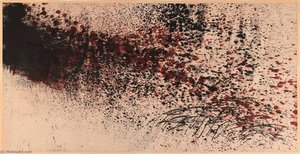 Spring with Machine Age Noise V1957
25
 Flowers1954
26
 Poverty Winter - Still Life1982 · Художественный музей Сиэтла
27
 Summer Still Life1988
28
 Hibernation1954
29
 State of the World (Double Necked Vessel)
30
 Winter Flower (Ireland)
3 музеев, в которых находится большинство картин со страницы.
| Музей | Город | Работы Morris Graves | Картины из этого списка |
|---|---|---|---|
 Художественный музей Сиэтла |
Сиэтл | 6 | Crow, Surf and Moon, Bird in the Night, Sea, Fish and Constellation |
 The Phillips Collection |
Вашингтон, округ Колумбия | 3 | Surf and Bird, Young Gander Ready for Flight, August Still Life |
 Смитсоновский американский художественный музей |
Вашингтон, округ Колумбия | 1 | Logged Mountains |
Выберите десятилетие, чтобы увидеть шедевр, определяющий его.


Bird Singing in the Moonlight (1938). Далее следуют Crow, Surf and Moon (1943) и Logged Mountains (1943).
28 лет: Bird Singing in the Moonlight датируется 1938 годом, а Morris Graves родился в 1910.
Bird Singing in the Moonlight, Crow, Surf and Moon, Logged Mountains, Surf and Bird, Snake and Moon, Wheelbarrow, Bird in the Night, Sea, Fish and Constellation, Bird in the Spirit и Nestling. В рейтинге выше указаны год создания и музей для каждой работы.
В нашем каталоге представлено 32 работ Morris Graves, созданных в период с 1934 по 1988.
В основном в Художественный музей Сиэтла (Сиэтл), The Phillips Collection (Вашингтон, округ Колумбия) и Смитсоновский американский художественный музей (Вашингтон, округ Колумбия). В таблице выше перечислены все музеи.
В 1940s: 11 из 30 работ на этой странице были созданы в этот период, Crow, Surf and Moon из них.
На этой странице самая ранняя работа датирована Wheelbarrow (1934), а самая поздняя — Summer Still Life (1988).
Crow, Surf and Moon, Bird in the Night и Sea, Fish and Constellation: в коллекции Художественный музей Сиэтла, Сиэтл находится 6 работ со страницы.