


1


Обновлено Ноябрь 2026 · рейтинг на основе нашего показателя популярности (количество поисковых запросов, посещений и заказов для каждой работы) · 3 работ Max Koner в нашем каталоге
Вкратце
По мнению экспертов галереи, самая известная картина Max Koner — это Emperor Wilhelm II (1890). Prince Herbert Bismarck (1898) и Bildnis des Archäologen Ernst Curtius by Max Koner (1896) завершают трио, которое узнает каждый. Из 3 работ Max Koner в нашем каталоге ниже представлены 3 самых известных: каждая из них является оригиналом с указанием года создания, музея и уникальных особенностей.
1 музеев, в которых находится больше всего картин со страницы.
| Музей | Город | Работы Max Koner | Картины из этого списка |
|---|---|---|---|
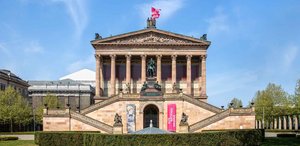 Старая национальная галерея |
Берлин | 1 | Bildnis des Archäologen Ernst Curtius by Max Koner |
Десятилетие, с 1890 по 1898, стало для Max Koner целой эпохой: галерея проводит вас сквозь эти годы, шаг за шагом, от одного знаменитого оригинала к другому.
Выберите год, чтобы увидеть оригиналы.
Emperor Wilhelm II (1890). Далее следуют Prince Herbert Bismarck (1898) и Bildnis des Archäologen Ernst Curtius by Max Koner (1896).
36 лет: Emperor Wilhelm II датируется 1890 годом, а Max Koner родился в 1854.
В нашем каталоге представлено 3 работ Max Koner, созданных в период с 1890 по 1898.
В основном в Старая национальная галерея (Берлин). В таблице выше перечислены все музеи.
На этой странице самая ранняя работа датирована Emperor Wilhelm II (1890), а самая поздняя — Prince Herbert Bismarck (1898).
Max Johann Bernhard Koner began his time in the studio in Berlin. Between 1873 and 1878, he sat in the classrooms of the Prussian Academy of Arts, learning under the eyes of Eduard Daege, Anton von Werner, Eduard Holbein, and Max Michael. His early hands were more accustomed to the quiet textures of landscapes. He traveled to Italy in 1875 and later moved to Paris in 1878 to continue his studies. These years away from Berlin shaped how he saw light and form before he eventually turned his focus toward the human figure.
By 1886, his personal life and professional life became closely linked when he married Sophie Schäffer. She had been his student, and together they shared a life centered around the brush. In the later years of his career, as commissions for portraits grew numerous, she often assisted him by working on the backgrounds and the details of clothing in his paintings.
The shift from landscape to portraiture defined his later decades. Between 1888 and 1900, he completed more than one hundred portraits. His work found a place within the high society of Berlin, earning him recognition from the imperial court and various noble houses. In 1893, he was accepted as a member of the Academy.
His brush captured many notable figures of his era, including:
In 1894, one of his portraits of the Kaiser earned him a gold medal at the Große Berliner Kunstausstellung. This period of intense work was marked by a steady stream of requests from the upper echelons of German society.
Koner’s involvement in the art community extended beyond his own canvas. He spent time serving on the committee that chose artists for the trading cards produced by the Stollwerck chocolate company. This role required a keen eye for what would appeal to the public through small, printed images.
He died in Berlin in 1900 at the age of forty-six. He was laid to rest at the Friedhöfe vor dem Halleschen Tor. While a monument was once planned for him by Fritz Klimsch, it was not preserved. His life ended as it had been lived, deeply rooted in the studios and social circles of his home city.

