Меню
БЕСПЛАТНАЯ КОНСУЛЬТАЦИЯ ПО ИСКУССТВУ

Морис Кюнтен де Латур

1704 - 1788

Краткая справка

  • Also known as:
    • Майор Кюнтен де Латур
    • Кюнтен де Латур
    • Maurice Quentin de La Tour
  • Best occasions: акцентный цвет
  • Works on APS: 145
  • Creative periods: mature period
  • Topics explored:
    • men
    • portraits
    • famous people
    • women
    • study
  • Gift suitability: other-none
  • Top-ranked work: Self-Portrait
  • Top 3 works:
    • Self-Portrait
    • Marquise de Pompadour
    • Louis XV
  • Died: 1788
  • Lifespan: 84 years
  • Emotional tone: раздумчивый
  • Развернуть подробности
  • Museums on APS:
    • Альте Пинакотека
    • Альте Пинакотека
    • Альте Пинакотека
    • Альте Пинакотека
    • Альте Пинакотека
  • Art period: — Раннее Новое время
  • Color intensity: насыщенный
  • Mediums:
    • пастель
    • акрил на холсте
  • Nationality: Франция
  • Room fit: гостиная
  • Movements: rococo
  • Born: 1704, Сент-Квентин, Франция
  • Copyright status: Public domain
  • Vibe:
    • элегантный
    • романтичный
  • Corpus themes:
    • rococo elegance
    • portraiture tradition
    • pastel mastery
    • elegant rococo style
    • french aristocracy

Тест по искусству

В каждом вопросе только один правильный ответ.

Вопрос 1:
Кто был отцом Мориса Кювена де Ла Тура?
Вопрос 2:
В каком городе родился Морис Кювен де Ла Тура?
Вопрос 3:
Какой стиль характеризует искусство Мориса Кювена де Ла Тура?
Вопрос 4:
С кем сотрудничал Морис Кювен де Ла Тур в начале своей карьеры?
Вопрос 5:
В каком году Морис Кювен де Ла Тура был принят в Академию живописи и скульптуры?

Maurice Quentin de La Tour: The Pastel Maestro of Rococo Elegance

Maurice Quentin de La Tour (1704-1788) stands as a towering figure in the history of French art, particularly renowned for his masterful use of pastel and his ability to capture the spirit of the Rococo era. Born into a musical family in Saint-Quentin, Picardy, he defied expectations and pursued painting with unwavering dedication, establishing himself as one of the most celebrated portraitists of his time—a reputation cemented by commissions from royalty and an enduring legacy within the artistic canon.

Early Life and Artistic Training

François de La Tour, Maurice’s father, was a musician for the Duc du Maine, instilling in young Maurice a deep appreciation for aesthetics and artistic expression. Recognizing his son's talent beyond music, François ensured Maurice received comprehensive training under Jacques Spoede in Paris and later traveled to Rheims and England, broadening his artistic horizons and exposing him to diverse stylistic influences. These formative experiences shaped De La Tour’s approach to painting and foreshadowed the distinctive qualities that would characterize his oeuvre.

The Pastel Technique: A Revelation of Light and Emotion

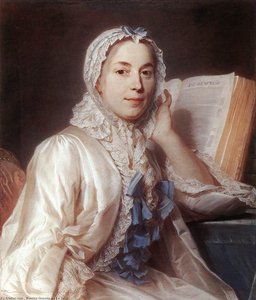
De La Tour's genius lay in his unparalleled mastery of pastel—a medium he embraced with fervor and transformed into an instrument for conveying profound psychological insight. Unlike oil paint, which relies on layering colors to achieve depth and luminosity, pastel employs finely powdered pigment mixed with binder (typically gum arabic) applied directly onto paper or canvas. This technique allowed De La Tour to capture subtle nuances of expression—a fleeting smile, a contemplative gaze—with breathtaking delicacy and immediacy. The resulting images possessed an ethereal quality, imbued with warmth and luminescence that captivated audiences and established pastel as the preferred medium for portraiture during the Rococo period.

Notable Portraits: Capturing Royalty and Intellectual Brilliance

De La Tour’s artistic output consisted of approximately 150 portraits executed over three decades—a testament to his prolific creativity and unwavering commitment to his craft. Among his most iconic commissions were depictions of Voltaire, Louis XV, Madame de Pompadour, Jean Le Rond d’Alembert, and Joseph Vernet – figures who epitomized the intellectual and aristocratic ideals of the Enlightenment. Each portrait is imbued with a remarkable sensitivity to character—De La Tour skillfully rendered not merely likenesses but also inner states of mind, conveying intelligence, wit, and emotional depth. His portraits are celebrated for their psychological realism and technical virtuosity, securing his place as one of the foremost artists of his era.

Influence and Legacy: Shaping Artistic Expression

Maurice Quentin de La Tour’s influence extended far beyond his lifetime, inspiring subsequent generations of painters who sought to emulate his luminous pastel technique and his ability to capture the essence of human emotion. His work served as a cornerstone for Rococo portraiture, establishing standards of elegance and psychological subtlety that continue to resonate today. Museums worldwide house De La Tour's paintings—a tangible reminder of his artistic brilliance and an enduring symbol of the Romantic spirit’s precursor. He remains a pivotal figure in art history, demonstrating how meticulous observation and masterful execution can elevate visual representation to its highest form.