

1


Обновлено Ноябрь 2026 · рейтинг на основе нашего показателя популярности (количество поисковых запросов, посещений и заказов для каждой работы) · 27 работ Maud Ireland Button в нашем каталоге
Вкратце
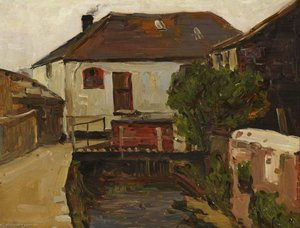
По мнению экспертов галереи, самой известной картиной Maud Ireland Button является Fountain's Mill, Uxbridge (1914), оригинал которой находится в Hillingdon Local Studies, London. Cottages by the River (1914) и A Local Church (1921) завершают трио, которое узнает каждый. Из 27 работ Maud Ireland Button в нашем каталоге ниже представлены 27 самых известных: каждая из них является оригиналом с указанием года создания, музея и уникальных особенностей.


 Rustic Country Home1921 · Hillingdon Local Studies
12
 Townscape Dominated by a Church Tower1921 · Hillingdon Local Studies
13
 Canal Scene1921 · Hillingdon Local Studies
14
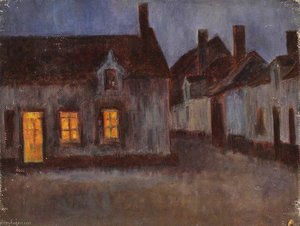 Townscape1921 · Hillingdon Local Studies
15
 A Local Yard1921 · Hillingdon Local Studies
16
 Country House1921 · Hillingdon Local Studies
17
 View over Uxbridge1921 · Hillingdon Local Studies
18
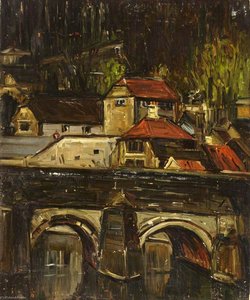 Bridge over a River1921 · Hillingdon Local Studies
19
 An Uxbridge Yard1921 · Hillingdon Local Studies
20
 A Yard1921 · Hillingdon Local Studies
21A Distant View of Harrow on the Hill1921 · Hillingdon Local Studies
22
 River Scene1921 · Hillingdon Local Studies
23
 Bell Yard, Uxbridge1921 · Hillingdon Local Studies
24
 Boat on River1921 · Hillingdon Local Studies
25
 Ram YardHillingdon Local Studies
26
 New Inn Yard, Windsor Street, UxbridgeHillingdon Local Studies
27
 Uxbridge High StreetHillingdon Local Studies
Четыре темы, которые чаще всего встречаются в этих оригиналах, каждая из которых представлена своим лучшим образцом.
1 музеев, в которых находится больше всего картин со страницы.
| Музей | Город | Работы Maud Ireland Button | Картины из этого списка |
|---|---|---|---|
 Hillingdon Local Studies |
London | 27 | Fountain's Mill, Uxbridge, Cottages by the River, A Local Church |
Десятилетие, с 1914 по 1921, стало для Maud Ireland Button целой эпохой: галерея проводит вас сквозь эти годы, шаг за шагом, от одного знаменитого оригинала к другому.
Выберите год, чтобы увидеть оригиналы.
Больше от 1921
 #4 Queen's Court, Windsor
 #5 Church Tower
 #6 Landscape
 #7 The Bell Yard, Uxbridge
 #8 Countryside Scene
 #9 A Local Park
 #10 Farmyard
#11 Rustic Country Home
#12 Townscape Dominated by a Church Tower
#13 Canal Scene
#14 Townscape
#15 A Local Yard
#16 Country House
#17 View over Uxbridge
#18 Bridge over a River
#19 An Uxbridge Yard
#20 A Yard
#21 A Distant View of Harrow on the Hill
#22 River Scene
#23 Bell Yard, Uxbridge
#24 Boat on River
Fountain's Mill, Uxbridge (1914), Hillingdon Local Studies, London. Далее следуют Cottages by the River (1914) и A Local Church (1921).
37 лет: Fountain's Mill, Uxbridge датируется 1914 годом, а Maud Ireland Button родился в 1877.
Fountain's Mill, Uxbridge, Cottages by the River, A Local Church, Queen's Court, Windsor, Church Tower, Landscape, The Bell Yard, Uxbridge, Countryside Scene, A Local Park и Farmyard. В рейтинге выше указаны год создания и музей для каждой работы.
В нашем каталоге представлено 27 работ Maud Ireland Button, созданных в период с 1914 по 1921.
В основном в Hillingdon Local Studies (London). В таблице выше перечислены все музеи.
В 1921: 22 из 27 работ на этой странице были созданы в этот период, A Local Church из них.
На этой странице самая ранняя работа датирована Fountain's Mill, Uxbridge (1914), а самая поздняя — A Local Church (1921).
Tranquility (3) и Cottage scene (2) в 27 работах на этой странице.
Fountain's Mill, Uxbridge, Cottages by the River и A Local Church: в коллекции Hillingdon Local Studies, London находится 27 работ со страницы.
Maud Ireland Button (1877-1965) remains a quietly compelling figure in the history of British watercolor painting, largely due to her deeply personal and evocative depictions of rural Irish life. Born in Uxbridge, England, into a family with strong ties to the West Country, Button’s artistic journey was shaped by a profound connection to the land and its people – a connection that resonated powerfully through her delicate brushstrokes and serene color palettes.
Her early life offered little indication of an artistic career. She was the daughter of Alfred Button, a solicitor, and Mary Jane Stransom, and possessed a twin sister, Anne Louisa. However, it’s believed she received informal training from her artist sister, Anne, who later became known as Maud Ireland Button. This familial influence undoubtedly provided a foundation for her own artistic explorations, though Button largely developed her distinctive style independently.
Button's work is immediately recognizable by its intimate scale – often small, almost sketch-like paintings that capture fleeting moments and subtle details. She eschewed grand landscapes or dramatic scenes in favor of quiet domestic interiors, glimpses of farm life, and portraits of local villagers. Her subjects were not celebrated heroes but ordinary people engaged in everyday activities: a woman mending nets, children playing in the fields, a farmer tending his livestock – all rendered with remarkable sensitivity and empathy.
Her technique is characterized by loose, expressive brushwork, often applied in thin washes of color. She employed a muted palette dominated by soft blues, greens, and browns, creating an atmosphere of tranquility and nostalgia. Influenced by the Impressionists and particularly by artists like Camille Pissarro, Button sought to capture not just the appearance of her subjects but also their essence – their mood, their character, and their connection to the surrounding environment.
Several paintings stand out as exemplifying Button’s unique vision. “Boat on River” (1921), a delicate depiction of a small boat gliding along a tranquil waterway, is perhaps her most iconic work. It embodies her signature style – the subtle interplay of light and shadow, the intimate scale, and the sense of quiet contemplation. Similarly, "Bell Yard, Uxbridge" (1921) offers a charming snapshot of village life, capturing the warmth and simplicity of everyday routines.
Throughout her career, Button consistently explored themes of rural identity, community, and the passage of time. Her paintings are not merely representations of landscapes or people; they are imbued with a deep sense of place and a profound understanding of human experience. She was particularly interested in capturing the changing seasons and the rhythms of agricultural life.
Button’s artistic career spanned several decades, during which she steadily developed her distinctive style and built a loyal following among collectors and art enthusiasts. Despite facing financial challenges and limited recognition during much of her career, she remained committed to her craft, producing a substantial body of work that continues to resonate with viewers today.
She was largely self-taught, relying on observation and personal experience rather than formal training. Her artistic practice was deeply intertwined with her life in Uxbridge and the surrounding countryside, providing her with an endless source of inspiration. Her dedication to capturing the beauty and dignity of ordinary people cemented her place as a significant, if often overlooked, figure in British watercolor painting.
Maud Ireland Button’s legacy lies not in grand exhibitions or critical acclaim but in the quiet power of her paintings. Her work offers a poignant glimpse into a disappearing world – a world of rural simplicity, close-knit communities, and enduring traditions. Her sensitive portrayals of Irish life have earned her a place among the most beloved watercolorists of the 20th century, and her paintings continue to evoke a sense of nostalgia and appreciation for the beauty of the natural world.