Меню
БЕСПЛАТНАЯ КОНСУЛЬТАЦИЯ ПО ИСКУССТВУ

Луиан Фрейд

1922 - 2011

Краткая справка

  • Topics explored:
    • men
    • nudes
    • realism
    • women
    • portrait
  • Creative periods: mature period
  • Vibe: драматизм
  • Lifespan: 89 years
  • Best occasions: центральный акцент
  • Born: 1922, Берлин, Германия
  • Copyright status: Under copyright
  • Works on APS: 120
  • Mediums: масло на холсте
  • Emotional tone:
    • меланхоличный
    • раздумчивый
  • Room fit:
    • гостиная
    • спальня
  • Corpus themes:
    • psychological portraiture
    • freud's realism
    • existential questioning
    • psychological depth
    • exploration of human form
  • Развернуть подробности
  • Museums on APS:
    • Freud Museum London
    • Freud Museum London
    • Freud Museum London
    • Freud Museum London
    • Freud Museum London
  • Typical colors:
    • теплые
    • природные землистые
  • Died: 2011
  • Gift suitability: other-none
  • Color intensity:
    • насыщенный
    • сбалансированный
  • Movements: expressionism
  • Nationality: Германия
  • Art period: — Модернизм
  • Top 3 works:
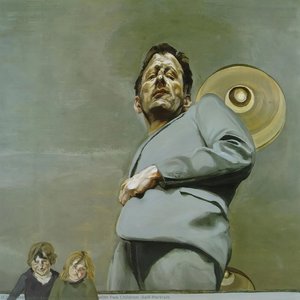
    • Отражение с двумя детьми (Автопортрет)
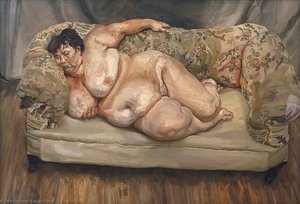
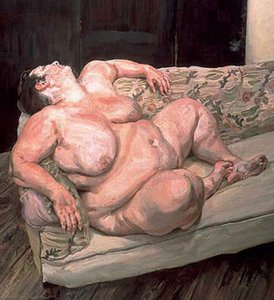
    • Спящая уборщица (также известная как Большая Сью)
    • The Painter's Room
  • Also known as: Lucian Michael Freud
  • Top-ranked work: Отражение с двумя детьми (Автопортрет)

Тест по искусству

В каждом вопросе только один правильный ответ.

Вопрос 1:
Кто был отцом Луциана Фрейда?
Вопрос 2:
В каком году родился Луциан Фрейд?
Вопрос 3:
Где Луциан Фрейд учился в начале своей карьеры как художник?
Вопрос 4:
Какая школа живописи оказала наибольшее влияние на стиль Луциана Фрейда?
Вопрос 5:
Что является ключевой особенностью техники Луциана Фрейда?

Lucian Freud: A Life Forged in Realism

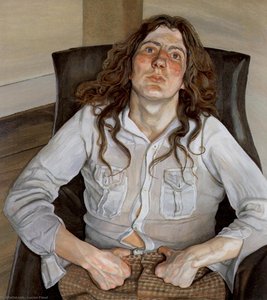
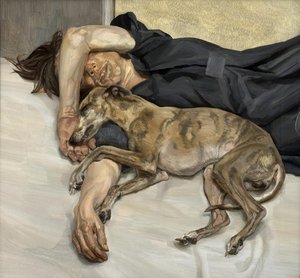
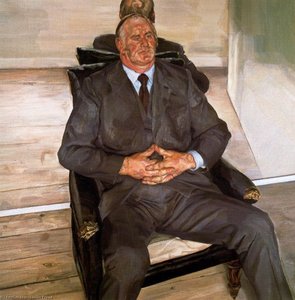
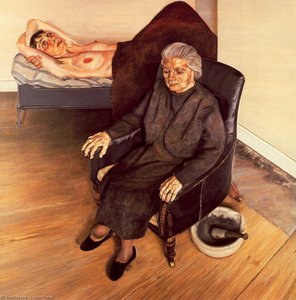
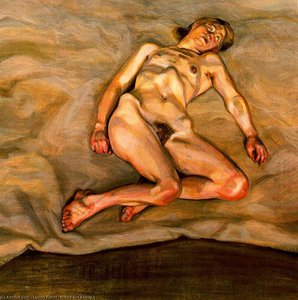
Lucian Michael Freud (1922-2011) stands as one of the most influential figures in British art of the 20th century, celebrated for his uncompromising dedication to figurative painting and his ability to capture profound psychological depth within seemingly simple portraits. Born in Berlin—then under Nazi rule—Freud’s early life was marked by displacement and upheaval, shaping his artistic vision and informing his distinctive style. His father, Ernst Freud, was Sigmund Freud's son, inheriting the legacy of psychoanalysis and instilling a deep intellectual curiosity that would permeate Lucian’s own pursuits. Following Hitler’s ascent to power, the family fled Germany for London in 1933, establishing a new home amidst the anxieties of the era. Early Artistic Influences and Formal Training Freud's artistic journey began with explorations of Surrealism and Expressionism, reflecting the broader cultural landscape of his time. However, he swiftly rejected abstraction, gravitating towards realism—a conscious decision to confront the visible world directly and to translate its complexities into paint. His formative years were spent at Bryanston School and Cedric Morris’s East Anglian School of Painting and Drawing, where he honed his observational skills and developed a technique characterized by thick impastoed brushstrokes and muted backgrounds amplifying flesh tones. This grounding in meticulous study proved pivotal, establishing him apart from many contemporaries who embraced stylistic experimentation. The Distinctive Freud Style: Tactile Realism and Psychological Intensity Freud’s artistic hallmark was undeniably his uncompromising realism—a refusal to idealize or embellish subjects, prioritizing instead the honest depiction of physicality, vulnerability, and psychological weight. He famously demanded grueling sittings from his models, fostering an intimacy that permeated his canvases. His technique involved applying paint with considerable force, creating textured surfaces that mirrored the contours of flesh and conveying not merely appearance but also sensation and feeling. As critic Robert Hughes eloquently described, Freud “painted in a highly individual style,” which in his later years was characterized by impasto—a deliberate departure from prevailing trends toward abstraction. His portraits are notable for their penetrating gaze and unflinching exploration of human emotion. Notable Works and Legacy Lucian Freud’s oeuvre encompasses a vast array of subjects—portraits of friends, family members, animals, interiors—each rendered with remarkable detail and psychological insight. Among his most celebrated paintings include *Girl with a Kitten* (1947), *Portrait of Kitty Garman* (1950), *Benefits Supervisor Sleeping* (1995) and numerous self-portraits that offer glimpses into the artist’s inner life. Freud's influence extends beyond painting, inspiring artists across disciplines with his unwavering commitment to observation and emotional honesty. He remains a cornerstone of British art history—a singular voice capturing the complexities of human experience in an era grappling with existential questions. His legacy continues to resonate today, securing his place as one of the most important and enduring figures in 20th-century artistic achievement.