Портрет Lo Spagna

18 самых известных картин Lo Spagna, каждая из которых уникальна

Обновлено Октябрь 2026 · рейтинг на основе нашего показателя популярности (количество поисковых запросов, посещений и заказов для каждой работы) · 18 работ Lo Spagna в нашем каталоге

Вкратце

Saint Catherine of Siena (1512) — это самая популярная картина Lo Spagna; оригинал находится в Институт искусств Чикаго, Чикаго. Затем взгляд переходит на The Agony in the Garden (1502) и The Dead Christ Supported by Two Angels (1487). Из 18 работ Lo Spagna в нашем каталоге эти 18 являются самыми известными: каждая из них — уникальный оригинал с указанием года создания, музея и причины ее бессмертия.

1450 – 1528, Perugia High renaissance Больше всего работ: Национальная галерея

Топ-10 картин Lo Spagna глазами галереи

1
Saint Catherine of Siena (1512) работы Lo Spagna

Saint Catherine of Siena

1512 · Tempera On Panel · Институт искусств Чикаго, Чикаго

In this portrait, Lo Spagna presents us with Saint Catherine of Siena. The figure before us is Catherine Benincasa of Siena, a woman whose spiritual life was defined by her affiliation with the Dominican order. She moves through the scene as a mystic, a person whose existence was marked by profound visions. History remembers her as one of only two female Doctors of the Church, a distinction that lends her…

10
Christ Crowned with Thorns (1512) работы Lo Spagna

Christ Crowned with Thorns

1512 · Oil · Национальная галерея, Лондон

In this quiet religious art piece, titled Christ Crowned with Thorns, we encounter a profound depiction of Jesus Christ. The work is attributed to the hand of Lo Spagna, an artist who moved through the landscapes of Umbria and the Marches. His presence in Perugia and his subsequent connection to the workshop of Perugino helped shape the subtle, sculptural quality seen in this portrait. It is a work that demands…

Знаменитые картины Lo Spagna, с 11 по 18

Сюжеты, которые вдохновляли Lo Spagna

Четыре темы, которые чаще всего встречаются в этих оригиналах, каждая из которых представлена своим лучшим образцом.

Музеи, в которых хранятся оригиналы работ Lo Spagna

8 музеев, в которых находится большинство картин со страницы.

Музей Город Работы Lo Spagna Картины из этого списка
Национальная галерея, ЛондонНациональная галерея Лондон 3 The Agony in the Garden, Christ at Gethsemane, Christ Crowned with Thorns
Институт искусств Чикаго, ЧикагоИнститут искусств Чикаго Чикаго 1 Saint Catherine of Siena
Wallace Collection, ЛондонWallace Collection Лондон 1 The Ecstasy of Saint Mary Magdalene
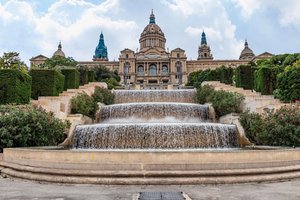
Национальный музей искусства Каталонии, БарселонаНациональный музей искусства Каталонии Барселона 1 Altarpiece of the Virgin with Saints Agatha, Stephen, Francis and a Martyr Saint
Национальная галерея Ирландии, ДублинНациональная галерея Ирландии Дублин 1 The Virgin and Child with Saints Nicholas of Tolentino and Catherine of Siena
Фонд Барнс, ФиладельфияФонд Барнс Филадельфия 1 Sienese Government Officials Receiving an Embassy
Музей искусства Индианаполиса, ИндианаполисМузей искусства Индианаполиса Индианаполис 1 The Agony in the Garden
Метрополитен-музей, Нью-ЙоркМетрополитен-музей Нью-Йорк 1 Saint Francis Receiving the Stigmata

Lo Spagna сквозь десятилетия: по одному уникальному оригиналу на каждое десятилетие

Произведения по десятилетиям

Выберите десятилетие, чтобы увидеть шедевр, определяющий его.

Картины Lo Spagna: вопросы к галерее

Какая работа Lo Spagna является самой известной?Узнать ответ

Saint Catherine of Siena (1512), Институт искусств Чикаго, Чикаго. Далее следуют The Agony in the Garden (1502) и The Dead Christ Supported by Two Angels (1487).

В каком возрасте Lo Spagna создал(а) Saint Catherine of Siena?Узнать ответ

62 лет: Saint Catherine of Siena датируется 1512 годом, а Lo Spagna родился в 1450.

Какие десять картин Lo Spagna являются самыми известными?Узнать ответ

Saint Catherine of Siena, The Agony in the Garden, The Dead Christ Supported by Two Angels, The Virgin and Child, The Nativity, Saint Francis Receiving the Stigmata, The Dead Christ Supported by the Virgin and Saint John, Saint Jerome dans le desert, Christ at Gethsemane и Christ Crowned with Thorns. В рейтинге выше указаны год создания и музей для каждой работы.

Сколько известно работ Lo Spagna?Узнать ответ

В нашем каталоге представлено 18 работ Lo Spagna, созданных в период с 1487 по 1520.

Где можно увидеть подлинники, созданные Lo Spagna?Узнать ответ

В основном в Национальная галерея (Лондон), Институт искусств Чикаго (Чикаго) и Wallace Collection (Лондон). В таблице выше перечислены все музеи.

В какой период Lo Spagna создал свои самые известные картины?Узнать ответ

В 1510s: 6 из 18 работ на этой странице были созданы в этот период, Saint Catherine of Siena из них.

Какая из знаменитых картин Lo Spagna была написана раньше, а какая — позже?Узнать ответ

На этой странице самая ранняя работа датирована The Dead Christ Supported by Two Angels (1487), а самая поздняя — The Ecstasy of Saint Mary Magdalene (1520).

Какие сюжеты предпочитал Lo Spagna?Узнать ответ

Sky (3), Woman (2) и Landscape (2) в 18 работах на этой странице.

Какими материалами чаще всего пользовался Lo Spagna?Узнать ответ

Tempera On Panel, для 2 из 18 работ на этой странице.

К какому направлению относится творчество Lo Spagna?Узнать ответ

High renaissance, судя по оригиналам на этой странице.

Какие оригинальные работы Lo Spagna можно увидеть в Национальная галерея?Узнать ответ

The Agony in the Garden, Christ at Gethsemane и Christ Crowned with Thorns: в коллекции Национальная галерея, Лондон находится 3 работ со страницы.

Lo Spagna: портрет художника

The Hand of Giovanni di Pietro

The name Lo Spagna carries the weight of a traveler's identity, a nod to Spanish origins etched into his Italian life. Born Giovanni di Pietro, he moved through the landscapes of Umbria and the Marches, leaving traces of his brush in places like Perugia, Todi, Trevi, and Spoleto. His presence in Perugia is noted as early as 1470, though by 1492, he was a recognized member of Perugino's workshop. This connection shaped much of what he produced. He worked with the same quiet precision found in the studios of his contemporaries, absorbing the soft lines and balanced compositions that defined the era.

His life followed the rhythms of the local guilds and civic duties. In 1516, he was granted citizenship in Spoleto, a city where he would eventually settle and find professional standing. He even rose to the position of Capitano delle Arti dei Pittori e degli Orefici in 1517. His personal life was tied to the local fabric through his marriage into the Martorelli family. The end of his work came abruptly; while working on a fresco cycle for San Giacomo di Spoleto, the plague took him in 1528, leaving his assistants, Dono Doni and Cecco di Bernardino d'Assisi, to finish the task he had begun.

Lines and Details

To look closely at his panels is to see a specific way of handling cloth and flesh. While the influence of Perugino is visible in his early works, certain habits belong only to him. He used a calligraphic flare in his drapery, creating folds that sometimes seem to follow their own logic rather than the shape of the body beneath. There is a sculptural quality to the faces he painted, particularly the way he modeled an oval face or rendered bee-stung lips and slender, arched eyebrows. Even the small articulations of fingers and toes carry a distinct, careful touch.

His compositions often placed figures against quiet, mountainous landscapes. In these settings, the trees and horizons bear his specific hand, differing from the more standard approaches of his mentors. He also drew subtle inspiration from Raphael, though he remained rooted in the traditions of the Perugino workshop. His work remains a study in these fine, deliberate marks:

  • The use of calligraphic drapery that moves with its own internal rhythm.
  • A focus on sculptural facial modeling and specific anatomical details like finger articulation.
  • The integration of figures into verdant, mountainous backgrounds.