Меню
БЕСПЛАТНАЯ КОНСУЛЬТАЦИЯ ПО ИСКУССТВУ

Хуан де Вальдес Леал

1622 - 1690

Краткая справка

  • Died: 1690
  • Lifespan: 68 years
  • Best occasions:
    • центральный акцент
    • акцентный цвет
  • Typical colors: природные землистые
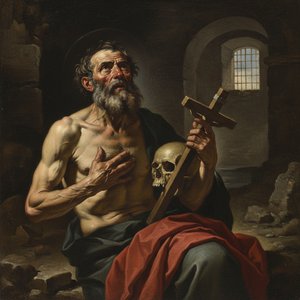
  • Top-ranked work: St Jerome
  • Museums on APS:
    • Carmen Calzado
    • Carmen Calzado
    • Carmen Calzado
    • Carmen Calzado
    • Carmen Calzado
  • Nationality: Испания
  • Creative periods:
    • mature period
    • late medieval
  • Room fit: гостиная
  • Top 3 works:
    • St Jerome
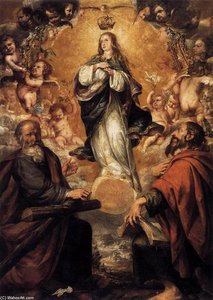
    • Virgin of the Immaculate Conception with Sts Andrew and John the Baptist
    • Assumption of the Virgin
  • Gift suitability: other-none
  • Mediums:
    • масло на холсте
    • акрил на холсте
  • Развернуть подробности
  • Vibe: драматизм
  • Born: 1622, Севилья, Испания
  • Movements: baroque
  • Copyright status: Public domain
  • Art period: — Раннее Новое время
  • Color intensity:
    • монохромный
    • сбалансированный
  • Corpus themes:
    • baroque drama & emotion
    • religious devotion
    • baroque influence
    • spanish religious fervor
    • religious symbolism
  • Also known as: Хуан де Ниса Вальдес Леал
  • Emotional tone: меланхоличный
  • Works on APS: 165
  • Topics explored:
    • symbols
    • people
    • religious art
    • royalty
    • baroque art

Тест по искусству

В каждом вопросе только один правильный ответ.

Вопрос 1:
Когда родился Хуан де Вальдес Леал?
Вопрос 2:
Какая из следующих тем наиболее точно описывает картины Хуана де Вальдес Леала?
Вопрос 3:
С каким другим художником Хуан де Вальдес Леал основал Севильскую академию искусств?
Вопрос 4:
Какой художественный стиль наиболее тесно связан с работами Хуана де Вальдес Леала?
Вопрос 5:
В каком испанском городе родился Хуан де Вальдес Леал?

Juan de Valdés Leal (1622 - 1690)

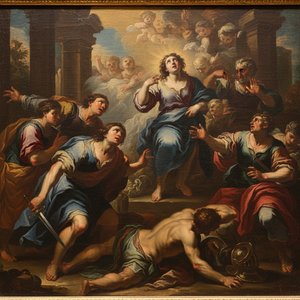
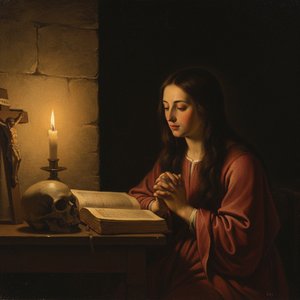
Juan de Nisa Valdés Leal, born May 4, 1622, in Seville, Spain, stands as one of the most prominent figures in Sevillian Baroque painting. His artistic journey intertwined with that of Bartolomé Esteban Murillo, establishing a lasting legacy within Spanish art history and shaping the aesthetic sensibilities of his era. Valdés Leal’s oeuvre is characterized by dramatic intensity, inventive compositions, and a penchant for portraying unsettling themes—a stylistic divergence from Murillo's serene depictions that cemented their reputations as rivals. ### Early Life and Artistic Training Valdés Leal received his formative education in Córdoba under the tutelage of Antonio del Castillo, absorbing the influences of Mannerism and establishing a foundation for his subsequent Baroque style. This early exposure to artistic innovation would prove crucial in shaping his distinctive visual language. His father, Portuguese by descent, instilled in him a cosmopolitan outlook that complemented his Andalusian roots, fostering an appreciation for diverse cultural traditions. ### Notable Works and Artistic Style Valdés Leal’s artistic output is marked by a profound engagement with religious iconography and philosophical contemplation. Among his masterpieces are *History of the Prophet Elias*, commissioned for the Carmelite Church in Córdoba—a monumental canvas demonstrating masterful use of chiaroscuro and conveying an atmosphere of solemn grandeur; *Martyrdom of St. Andrew*, similarly executed for San Francesco’s Basilica, showcasing a dramatic portrayal of suffering and spiritual fortitude; and *Triumph of the Cross*, commemorating the Holy Sepulchre in Seville—a testament to Valdés Leal's ability to capture monumental narratives with breathtaking visual impact. His distinctive style—characterized by dynamic movement, ethereal forms, and vibrant color palettes—contrasted sharply with Murillo’s calmer aesthetic, reflecting a broader artistic debate concerning expressive force versus contemplative beauty. He notably collaborated with Murillo on the founding of the Seville Academy of Art in 1656, furthering the dissemination of Baroque principles throughout Spain. ### Themes and Symbolism: Vanitas and Mortality Valdés Leal's paintings frequently grapple with existential anxieties—specifically, the concept of *vanitas*, Latin for “nothingness.” These works serve as poignant meditations on mortality, decay, and the futility of earthly pursuits. Pieces like *In ictu oculi* ("in the blink of an eye") and *Finis gloriae mundi* (“end of the world’s glory”), destined for the Charity Hospital in Seville, exemplify this preoccupation with transience—depicting skulls, hourglasses, withered flowers, and decaying fruit as symbols of human vulnerability. Such imagery underscores Valdés Leal's artistic commitment to confronting profound philosophical questions about life’s ephemeral nature. ### Legacy and Influence Juan de Nisa Valdés Leal died October 15, 1690, in Seville, leaving behind an indelible mark on Sevillian art and Spanish Baroque painting as a whole. His influence extended beyond his immediate contemporaries, inspiring subsequent generations of artists to explore dramatic narratives and confront unsettling themes with artistic brilliance. He remains revered as a master of composition, color, and expressive technique—a testament to his enduring contribution to the visual arts. Valdés Leal’s legacy continues to resonate within art historical scholarship, cementing his position as one of Spain's most significant Baroque painters.