Портрет Джоан Митчелл

12 самых известных картин Джоан Митчелл: подборка галереи

Обновлено Ноябрь 2026 · рейтинг на основе нашего показателя популярности (количество поисковых запросов, посещений и заказов для каждой работы) · 14 работ Джоан Митчелл в нашем каталоге

Вкратце

Из всех оригинальных работ, оставленных Джоан Митчелл, самой известной является Joseph Law (d.1897), MD, Honorary Secretary to Sheffield Medical Society (1842–1852) (1892) из коллекции Royal Hallamshire Hospital, Sheffield. Сразу за ними следуют Dr Arthur Jackson (1890) и Portrait of a Man (1903). В нашем каталоге представлено 14 работ Джоан Митчелл; галерея сохранила 12 самых почитаемых в мире произведений, каждое из которых сопровождается датой создания, информацией о музее и своей историей.

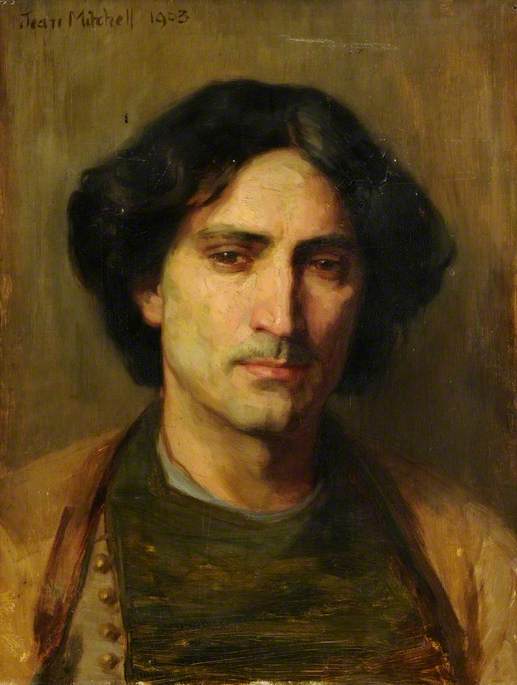
1925 – 1992, Чикаго Больше всего работ: Royal Hallamshire Hospital

10 лучших картин Джоан Митчелл: выбор галереи

Подборка Джоан Митчелл продолжается, с 11 по 12

Сюжеты, которые вдохновляли Джоан Митчелл

Четыре темы, которые чаще всего встречаются в этих оригиналах, каждая из которых представлена своим лучшим образцом.

Музеи, в которых хранятся оригиналы работ Джоан Митчелл

6 музеев, в которых находится большинство картин со страницы.

Музей Город Работы Джоан Митчелл Картины из этого списка
Royal Hallamshire Hospital, SheffieldRoyal Hallamshire Hospital Sheffield 1 Joseph Law (d.1897), MD, Honorary Secretary to Sheffield Medical Society (1842–1852)
Sheffield Archives, SheffieldSheffield Archives Sheffield 1 Dr Arthur Jackson
Музей американского искусства Уитни, Нью-ЙоркМузей американского искусства Уитни Нью-Йорк 1 Hemlock
Кливлендский музей искусств, КливлендКливлендский музей искусств Кливленд 1 Metro
Метрополитен-музей, Нью-ЙоркМетрополитен-музей Нью-Йорк 1 Sunflowers
Институт искусств Детройта, ДетройтИнститут искусств Детройта Детройт 1 Before, Again II

Джоан Митчелл по десятилетиям: оригиналы, определяющие каждую эпоху

Произведения по десятилетиям

Выберите десятилетие, чтобы увидеть шедевр, определяющий его.

Вопросы коллекционеров о картинах Джоан Митчелл

Какая работа Джоан Митчелл наиболее известна?Узнать ответ

Joseph Law (d.1897), MD, Honorary Secretary to Sheffield Medical Society (1842–1852) (1892), Royal Hallamshire Hospital, Sheffield. Далее следуют Dr Arthur Jackson (1890) и Portrait of a Man (1903).

Какие десять самых известных картин написал Джоан Митчелл?Узнать ответ

Joseph Law (d.1897), MD, Honorary Secretary to Sheffield Medical Society (1842–1852), Dr Arthur Jackson, Portrait of a Man, The Deaconess, Hemlock, Metro, Blueberry, Sunflowers, Tilleul и Edrita Fried. В рейтинге выше указаны год создания и музей для каждой работы.

Сколько картин оставил(а) Джоан Митчелл?Узнать ответ

В нашем каталоге представлено 14 работ Джоан Митчелл, созданных в период с 1956 по 1985.

В каких музеях представлены шедевры Джоан Митчелл?Узнать ответ

В основном в Royal Hallamshire Hospital (Sheffield), Sheffield Archives (Sheffield) и Музей американского искусства Уитни (Нью-Йорк). В таблице выше перечислены все музеи.

В какие годы Джоан Митчелл написал свои самые известные работы?Узнать ответ

В 1950s: 2 из 12 работ на этой странице были созданы в этот период, Hemlock из них.

Каковы первые и последние известные оригинальные работы Джоан Митчелл?Узнать ответ

На этой странице самая ранняя работа датирована Hemlock (1956), а самая поздняя — Before, Again II (1985).

Какие сюжеты Джоан Митчелл выбирал чаще всего?Узнать ответ

Portrait (2) и Elderly woman (2) в 12 работах на этой странице.

Джоан Митчелл: жизнь и творчество

Early Life and Artistic Beginnings

Jean Mitchell, born in Chicago in 1961, emerged as a compelling figure whose artistic journey, though initially overshadowed, now resonates with increasing recognition for its unique blend of realism and subtle emotional depth. Unlike the explosive energy often associated with Abstract Expressionism—a movement she is sometimes linked to—Mitchell’s early work was firmly rooted in representational painting, specifically portraiture. Growing up in a culturally rich environment, she developed an appreciation for art through family visits to museums and concerts, fostering a sensitivity that would later inform her nuanced depictions of the human form. Her formal training at the Sheffield School of Art provided a solid foundation in traditional techniques, which she skillfully employed in works like “The Deaconess” and “An Old Italian,” paintings characterized by meticulous detail and a quiet dignity. These early pieces reveal a fascination with capturing character and atmosphere, hinting at an underlying psychological depth that would become more pronounced as her style evolved.

A Shift Towards Abstraction and Mosaic Influences

While Mitchell began her career firmly within the bounds of realism, her artistic path took an intriguing turn towards abstraction in the mid-20th century. This wasn’t a sudden abandonment of form but rather a gradual exploration of color, texture, and composition as means to convey emotion and experience. A key element in this transition was her fascination with mosaic art—a technique that allowed for the fragmentation and reassembly of visual elements, creating dynamic patterns and evocative surfaces. This influence is evident in many of her later paintings, where brushstrokes are often broken into smaller, jewel-like components, suggesting a sense of movement and shimmering light. It’s as if she sought to capture not just *what* she saw but also the feeling of seeing—the way light plays on surfaces, the fleeting impressions of color, and the emotional resonance of a particular moment in time.

Key Works and Artistic Style

Mitchell's oeuvre, though relatively small, is marked by a consistent pursuit of expressive power through unconventional means. “The Deaconess,” painted in her early style, showcases her mastery of portraiture—a serene depiction of a nun rendered with remarkable sensitivity and attention to detail. In contrast, works from her later period demonstrate a more abstract sensibility, characterized by bold color palettes and dynamic compositions. Her landscapes, while not strictly representational, often evoke specific places and memories, imbued with a sense of personal history and emotional resonance. She wasn’t interested in simply replicating the external world but rather in translating its essence onto canvas—capturing the feeling of being *in* a place, the quality of light, the scent of the air. Her technique involved layering colors and textures, creating surfaces that are both visually rich and emotionally complex.

Historical Context and Legacy

Jean Mitchell’s work occupies an interesting space within the broader narrative of 20th-century art. While she shared some affinities with the Abstract Expressionists—particularly in her emphasis on emotional expression—her style remained distinctly her own, characterized by a unique blend of realism, abstraction, and mosaic influences. For many years, her contributions were largely overlooked, overshadowed by the more prominent figures of the movement. However, recent scholarship has begun to recognize her as an important voice in American art, one who challenged conventional boundaries and forged her own path. Her paintings offer a compelling alternative to the dominant narratives of Abstract Expressionism—a quieter, more introspective approach that emphasizes personal experience and emotional depth. Her legacy lies not only in the beauty and originality of her work but also in her willingness to defy categorization and pursue her artistic vision with unwavering conviction.

Rediscovery and Contemporary Appreciation

The recent resurgence of interest in Jean Mitchell’s art is a testament to its enduring power and relevance. Her paintings, once largely forgotten, are now attracting attention from collectors, critics, and scholars alike. Exhibitions of her work have revealed the breadth and depth of her artistic vision—showcasing not only her well-known portraits but also her lesser-known landscapes and abstract compositions. This rediscovery has prompted a reassessment of her place within the history of American art, recognizing her as an important figure in the development of Abstract Expressionism and beyond. Her work continues to resonate with audiences today—offering a compelling blend of beauty, emotion, and intellectual depth that transcends stylistic boundaries. Jean Mitchell’s paintings are not simply objects to be admired but rather invitations to experience the world in new and meaningful ways.