Исаак Лазаревич Израиль: Жизнь в духе амстердамского импрессионизма
- Родился: Амстердам, Нидерланды (3 февраля 1865 г.)
- Умер: Гаага, Нидерланды (7 октября 1934 г.)
Ранние годы и истоки мастерства
Исаак Лазаревич Израиль родился в семье, чьи корни глубоко уходили в само сердце голландского искусства. Он был сыном Йозефа Израиля, выдающегося живописца, связанного с Гаагской школой, и Алейды Шаап. Это богатое художественное наследие взрастило в Исааке раннее чувство прекрасного; его талант проявился с поразительной ясностью уже в детстве. В период с 1880 по 1882 год он обучался в Королевской академии искусств в Гааге, где состоялась его встреча с Георгом Генрихом Брейтером — дружба, ставшая спутником всей жизни и оказавшая определяющее влияние на его творческий путь. Всего в шестнадцать лет Израиль обрел раннее признание: он продал свою работу «Упражнения с трубой» художнику и коллекционеру Хендрику Виллему Мессдагу еще до того, как полотно было полностью завершено. Портреты его бабушки и близкой семьи, написанные в тот же год, уже тогда свидетельствовали о его незаурядном техническом мастерстве.
Сердце амстердамского импрессионизма
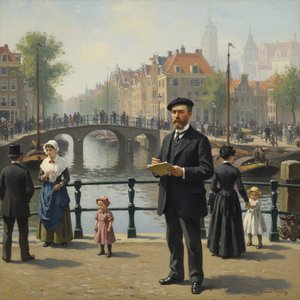
Израиль стал одной из ключевых фигур движения амстердамского импрессионизма. Под влиянием философии «Восьмидесятников» — группы писателей и художников, стремившихся к тому, чтобы стиль отражал содержание, а эмоционально насыщенные сюжеты передавались через экспрессивную технику, — он сосредоточил свое внимание на улавливании живых сцен повседневной жизни Амстердама. Лето он часто проводил с отцом в Схевенингене, создавая красочные морские пейзажи. Его творчество было пронизано стремлением запечатлеть суету улиц, уют кафе и блеск кабаре Амстердама, уходя от традиционных сюжетов, столь любимых предшествующими мастерами голландской живописи.
- Ключевые работы: «Транспортировка колониальных солдат» (Музей Крёллер-Мюллер), «Сортировщики кофе» (Музей Бойманс ван Бёнингена), «Портрет Мата Хари» (Музей Крёллер-Мюллер)
Путешествия и творческая эволюция
В 1904 году Израиль переехал в Париж, где открыл мастерскую и погрузился в изучение уникальных мотивов этого города. Его интерес к миру высокой моды нашел воплощение в изучении работы модных домов Paquin и Drecoll. Однако начало Первой мировой войны вынудило его вернуться в Голландию, где он сосредоточился преимущественно на портретной живописи. После окончания войны он отправился в масштабные путешествия по Европе и Азии, проведя два года за эскизами и картинами в Индии и Голландской Ост-Индии. Этот опыт значительно расширил его художественные горизонты, открыв перед ним новые темы и перспективы, которые обогатили его поздние произведения.
Наследие и признание
Исаак Лазаревич Израиль оставил после себя значительное творческое наследие, прославленное за его яркую палитру, свободный мазок и глубокое, проницательное изображение повседневности. Его полотна сегодня хранятся в престижнейших музеях мира, включая Музей Ван Гога и Мейдант (Mauritshuis). Он добился международного признания, получив, в частности, золотую медаль на Олимпийских играх 1928 года за свою картину «Красный всадник». Наследие Израиля заключается не только в его личных художественных достижениях, но и в его неоценимом вкладе в развитие амстердамского импрессионизма, что навсегда закрепило за ним статус одного из важнейших голландских живописцев своей эпохи.
Вопросы и ответы
Можно ли просматривать работы Исаак Исраэлс по цветовой палитре?
На странице По палитрам работы Исаак Исраэлс сгруппированы по цветовым палитрам.
Какие настроения передают работы Исаак Исраэлс?
На странице Подбор по настроению работы Исаак Исраэлс распределены по настроению.
Можно ли посетить виртуальный музей работ Исаак Исраэлс?
Страница художника художника Исаак Исраэлс — это страница, на которой произведения автора представлены в виртуальной трехмерной галерее.