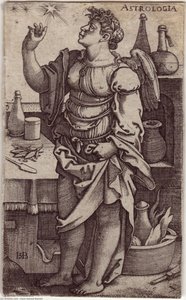
Портрет Hans Sebald Beham

14 самых известных картин Hans Sebald Beham: подборка галереи

Обновлено Ноябрь 2026 · рейтинг на основе нашего показателя популярности (количество поисковых запросов, посещений и заказов для каждой работы) · 14 работ Hans Sebald Beham в нашем каталоге

Вкратце

Из всех оригинальных работ, оставленных Hans Sebald Beham, самой известной является Tree of Faith, Love, and Good Works (1525) из коллекции Государственные музеи Берлина, Берлин. Сразу за ними следуют Hercules Capturing Cerberus (1545) и Processing of dancing pairs (1561). В нашем каталоге представлено 14 работ Hans Sebald Beham; галерея сохранила 14 самых почитаемых в мире произведений, каждое из которых сопровождается датой создания, информацией о музее и своей историей.

1500 – 1550, Nuremberg Больше всего работ: Государственные музеи Берлина

10 лучших картин Hans Sebald Beham: выбор галереи

1
Tree of Faith, Love, and Good Works (1525) работы Hans Sebald Beham

Tree of Faith, Love, and Good Works

To gaze upon this woodcut print, Tree of Faith, Love, and Good Works by Hans Sebald Beham, is to step directly into the intellectual and spiritual fervor of the early sixteenth century. It is not merely an image; it is a profound theological treatise rendered in stark, masterful black and white lines. The composition immediately draws the eye to the central figure, whose contemplative gesture seems to bridge the earthly…

4
The Prodigal Son Wasting His Patrimony (1540) работы Hans Sebald Beham

The Prodigal Son Wasting His Patrimony

1540 · Engraving · Национальная галерея искусств, Вашингтон

Hans Sebald Beham's "The Prodigal Son Wasting His Patrimony," created around 1540, is more than just a depiction of a biblical parable; it’s a meticulously rendered tableau of moral consequence and the seductive allure of excess. Executed in stark black and white engraving on paper, this work offers a profound glimpse into the anxieties and artistic sensibilities of the German Renaissance, a period grappling with religious reformation and shifting social…

5
Scenes from the Life of David (1534) работы Hans Sebald Beham

Scenes from the Life of David

1534 · Oil On Panel · Лувр, Париж

The meticulously rendered cityscape depicted in Hans Sebald Beham's "Scenes from the Life of David," created in 1534, offers a captivating glimpse into the artistic and intellectual landscape of late Renaissance Germany. More than just a depiction of a bustling urban scene, this work is a complex tapestry woven with threads of religious allegory, classical influence, and the burgeoning anxieties of a nation grappling with profound change. Measuring a modest…

9
Fountain of Youth and bathhouse работы Hans Sebald Beham

Fountain of Youth and bathhouse

· Kupferstichkabinett, Берлин

The use of water to heal is a practice as old as medicine itself. Visitors travelled to spas in order to regain their health and the strength of their youth. However, the results were usually disappointing, thus leading to the dream of a fountain of youth, where men and women could regain their beauty, youth, and ability to love. At the left of our sheet, the elderly are being carried…

Подборка Hans Sebald Beham продолжается, с 11 по 14

Сюжеты, которые вдохновляли Hans Sebald Beham

Четыре темы, которые чаще всего встречаются в этих оригиналах, каждая из которых представлена своим лучшим образцом.

Музеи, в которых хранятся оригиналы работ Hans Sebald Beham

6 музеев, в которых находится большинство картин со страницы.

Музей Город Работы Hans Sebald Beham Картины из этого списка
Государственные музеи Берлина, БерлинГосударственные музеи Берлина Берлин 1 Tree of Faith, Love, and Good Works
Лос-Анджелесский музей округа Лос-Анджелес, Лос-АнджелесЛос-Анджелесский музей округа Лос-Анджелес Лос-Анджелес 1 Hercules Capturing Cerberus
Национальный музей в Варшаве, ВаршаваНациональный музей в Варшаве Варшава 1 Processing of dancing pairs
Национальная галерея искусств, ВашингтонНациональная галерея искусств Вашингтон 1 The Prodigal Son Wasting His Patrimony
Лувр, ПарижЛувр Париж 1 Scenes from the Life of David
Kupferstichkabinett, БерлинKupferstichkabinett Берлин 1 Fountain of Youth and bathhouse

Hans Sebald Beham по десятилетиям: оригиналы, определяющие каждую эпоху

Произведения по десятилетиям

Выберите десятилетие, чтобы увидеть шедевр, определяющий его.

Вопросы коллекционеров о картинах Hans Sebald Beham

Какая работа Hans Sebald Beham наиболее известна?Узнать ответ

Tree of Faith, Love, and Good Works (1525), Государственные музеи Берлина, Берлин. Далее следуют Hercules Capturing Cerberus (1545) и Processing of dancing pairs (1561).

Сколько лет было Hans Sebald Beham, когда была создана работа Tree of Faith, Love, and Good Works?Узнать ответ

25 лет: Tree of Faith, Love, and Good Works датируется 1525 годом, а Hans Sebald Beham родился в 1500.

Какие десять самых известных картин написал Hans Sebald Beham?Узнать ответ

Tree of Faith, Love, and Good Works, Hercules Capturing Cerberus, Processing of dancing pairs, The Prodigal Son Wasting His Patrimony, Scenes from the Life of David, Cimon and Pero, Christ and the Woman of Samaria, Patience (Die Geduld), Fountain of Youth and bathhouse и March and April. В рейтинге выше указаны год создания и музей для каждой работы.

Сколько картин оставил(а) Hans Sebald Beham?Узнать ответ

В нашем каталоге представлено 14 работ Hans Sebald Beham, созданных в период с 1525 по 1545.

В каких музеях представлены шедевры Hans Sebald Beham?Узнать ответ

В основном в Государственные музеи Берлина (Берлин), Лос-Анджелесский музей округа Лос-Анджелес (Лос-Анджелес) и Национальный музей в Варшаве (Варшава). В таблице выше перечислены все музеи.

В какие годы Hans Sebald Beham написал свои самые известные работы?Узнать ответ

В 1540s: 2 из 14 работ на этой странице были созданы в этот период, Hercules Capturing Cerberus из них.

Каковы первые и последние известные оригинальные работы Hans Sebald Beham?Узнать ответ

На этой странице самая ранняя работа датирована Tree of Faith, Love, and Good Works (1525), а самая поздняя — Hercules Capturing Cerberus (1545).

Какие сюжеты Hans Sebald Beham выбирал чаще всего?Узнать ответ

Renaissance (3), Renaissance art (2) и Moral lesson (2) в 14 работах на этой странице.

Hans Sebald Beham: жизнь и творчество

Hans Sebald Beham: A Master of Miniature and Reformation

Born in Nuremberg around 1500, Hans Sebald Beham (though often referred to as Hans Sebald Beham due to the “H” in his monogram) emerged during a pivotal period of artistic and religious upheaval in Germany. His life coincided with the dawn of the Reformation, a time when traditional authority was being challenged and new ideas – both artistic and theological – were rapidly spreading. While details about his early life remain scarce, what we know of Beham reveals an artist deeply influenced by the era’s turbulent currents and remarkably adept at navigating them through his intricate prints.

Beham's origins are shrouded in mystery; records concerning his parents are absent. However, he was part of a family connected to the artistic world – his brother, Bartel Beham, also pursued a career as an artist. Their training remains undocumented, suggesting that Beham’s early development relied heavily on observation and perhaps informal apprenticeships rather than structured academic instruction. This lack of formal documentation is characteristic of many artists working during this period, particularly those operating outside the established centers of artistic patronage.

The “Godless Painters” and Nuremberg's Religious Divide

Beham’s career took a dramatic turn in 1525 when he, along with his brother Bartel and Georg Pencz, were banished from Nuremberg. The charges leveled against them – heresy, blasphemy, and a refusal to recognize the authority of the city council – painted a picture of artists deeply involved in radical Protestant beliefs. This expulsion earned them the moniker “godless painters,” a label that reflects the anxieties surrounding religious dissent within the staunchly Catholic city.

The accusations stemmed from Beham’s increasingly outspoken Lutheran views, which clashed directly with Nuremberg's established Catholic leadership. The timing of this event is particularly significant: just two months after the banishment, Nuremberg officially adopted Lutheranism as its state religion. This swift shift highlights the volatile religious climate and underscores the precarious position occupied by artists who dared to challenge prevailing orthodoxies. Despite their subsequent reinstatement, Beham’s hasty departure from Nuremberg in 1528 – prompted by legal threats related to a plagiarism accusation concerning his treatise on horse proportions (allegedly derived from an unpublished manuscript by Albrecht Dürer) – demonstrates the lingering distrust and potential for persecution.

A Prodigious Printmaker: Technique and Subject Matter

Following his time in Nuremberg, Beham spent years working across various German cities, establishing himself as a prolific printmaker. His work is characterized by an extraordinary level of detail—many of his engravings are remarkably small, some even approaching the size of postage stamps. This miniaturization was not merely a technical feat; it reflected a deliberate aesthetic choice, emphasizing precision and meticulous observation.

Beham’s prints encompassed a diverse range of subjects, including scenes from peasant life, classical mythology, and erotic themes – often intertwined in complex allegorical narratives. His depictions of everyday rural life offered a stark contrast to the idealized representations favored by many of his contemporaries, providing a glimpse into the realities of ordinary people during the Renaissance. Simultaneously, he skillfully adapted classical motifs, imbuing them with a distinctly German sensibility. His engravings frequently feature dynamic compositions and dramatic figures, showcasing a mastery of line and perspective.

Influence and Legacy

Beham’s artistic development is inextricably linked to that of Albrecht Dürer, his supposed master. While the precise nature of their relationship remains debated, Beham clearly absorbed many of Dürer's techniques—particularly his meticulous attention to detail and his innovative use of engraving—but he pushed beyond Dürer’s established style, embracing a greater degree of social commentary and exploring more unconventional subject matter. He stands as one of the “Little Masters,” a group of German artists who followed in Dürer’s footsteps but developed their own distinctive voices within the evolving landscape of printmaking.

Despite his relatively obscure status for much of the 20th century, Beham's work has experienced a resurgence of interest in recent decades. His prints are now recognized as significant contributions to German Renaissance art and offer valuable insights into the religious, social, and artistic currents of his time. His legacy lies not only in the beauty and technical brilliance of his engravings but also in his courageous embrace of challenging subjects and his willingness to defy convention.