Портрет Ханс Мульчер

23 самых известных картин Ханс Мульчер: подборка галереи

Обновлено Октябрь 2026 · рейтинг на основе нашего показателя популярности (количество поисковых запросов, посещений и заказов для каждой работы) · 24 работ Ханс Мульчер в нашем каталоге

Вкратце

Из всех оригинальных работ, оставленных Ханс Мульчер, самой известной является Christ before Pilate (1437) из коллекции Государственные музеи Берлина, Берлин. Сразу за ними следуют Pentecost (1437) и Th Adoration of the Magi (1437). В нашем каталоге представлено 24 работ Ханс Мульчер; галерея сохранила 23 самых почитаемых в мире произведений, каждое из которых сопровождается датой создания, информацией о музее и своей историей.

1400 – 1467, Лойткирх Больше всего работ: Государственные музеи Берлина

10 лучших картин Ханс Мульчер: выбор галереи

1
Christ before Pilate (1437) работы Ханс Мульчер

Christ before Pilate

1437 · Oil On Panel · Государственные музеи Берлина, Берлин

To stand before this depiction of Christ before Pilate is to step directly into the crucible of human history and divine confrontation. Painted in 1437 by Hans Multscher, this work transcends a mere narrative scene; it is a profound meditation on innocence facing overwhelming temporal power. The composition immediately draws the eye to the central drama: Jesus, seated with an air of serene dignity, enduring the scrutiny of Pontius Pilate…

2
Pentecost (1437) работы Ханс Мульчер

Pentecost

1437 · Oil On Canvas · Государственные музеи Берлина, Берлин

To stand before Hans Multscher's depiction of Pentecost is to step directly into the charged atmosphere of early Renaissance spiritual awakening. This 1437 masterpiece does more than merely illustrate a biblical event; it captures a moment of profound, transformative energy. The scene unfolds within an intimate, richly detailed interior space, drawing the viewer immediately into the circle of disciples gathered in anticipation. At the heart of this gathering sits the…

3
Th Adoration of the Magi (1437) работы Ханс Мульчер

Th Adoration of the Magi

1437 · Oil On Canvas · Государственные музеи Берлина, Берлин

To stand before this depiction of The Adoration of the Magi is to step directly into the vibrant, devotional heart of early fifteenth-century Germany. Hans Multscher’s masterful rendering captures not merely a religious narrative, but a profound moment of human awe meeting divine mystery. The scene unfolds under a sheltering canopy, creating an intimate, almost sacred enclosure where light seems to emanate from the very presence of Mary and the…

4
Christ Carrying the Cross (1437) работы Ханс Мульчер

Christ Carrying the Cross

Hieronymus Bosch’s “Christ Carrying the Cross,” housed in Ghent Cathedral, stands as one of his most arresting depictions of Christian iconography—a painting that transcends mere representation to embody a profound meditation on suffering and mortality. Completed around 1510-1535, during Bosch's twilight years, this artwork exemplifies his signature style: grotesque realism infused with moral allegory.

5
Святая Троица (1430) работы Ханс Мульчер

Святая Троица

1430 · Бронзовая скульптура · Liebieghaus, Франкфурт

Холдная Троицы Ханса Мултшера: Символ Вечной Гармонии и Светской Искусства Холдная Троицы Ханса Мултшера – это небольшое скульптурное произведение искусства, созданное в 1430 году немецким мастером Хансом Мултшером и хранящееся сейчас в Либьегаузе в Фюрстенвальде. Эта работа является одним из самых известных произведений Мултшера и представляет собой выдающийся пример позднего готического стиля, который переходит в раннее Возрождение Германии. Скульптура выполнена из алебастра – камня, известного своей тонкой зернистостью и прозрачностью…

6
The Wings of the Wurzach Altar (1437) работы Ханс Мульчер

The Wings of the Wurzach Altar

1437 · Oil On Panel · Gemäldegalerie, Берлин

In the quiet, hallowed atmosphere of the 15th century, few works captured the intersection of divine miracle and human emotion as profoundly as Hans Multscher’s The Wings of the Wurzach Altar. Created in 1437, this masterpiece serves as a breathtaking window into the German Renaissance, offering more than just a religious tableau; it presents a visceral experience of faith. The painting depicts a sacred assembly, where figures are gathered within…
7
Model of a Tomb (1435) работы Ханс Мульчер

Model of a Tomb

The stone breathes with a quiet, solemn energy, holding a frozen moment of devotion within its pale, textured surface. Every chisel mark tells a story of hands working with purpose, carving out a sacred space where the earthly and the divine meet. In this relief, a hierarchy of existence unfolds vertically, drawing the eye upward from the heavy, grounded reality of the world toward the celestial heights. Angels hover in…

8
Reliquary Bust of a Female Saint (1460) работы Ханс Мульчер

Reliquary Bust of a Female Saint

1460 · Bronze · The Frick Collection, Нью-Йорк

The bronze reliquary bust of a female saint, attributed to the masterful German sculptor Hans Multscher (circa 1400-1467), offers a poignant window into the artistic and spiritual landscape of late medieval Europe. More than simply a portrait, it’s a meticulously crafted devotional object—a testament to both the burgeoning realism of the era and the enduring power of religious iconography. Created around 1460 in Ulm, Germany, this piece transcends its material…

9
The Wings of the Wurzach Altar (1437) работы Ханс Мульчер

The Wings of the Wurzach Altar

1437 · Oil On Panel · Gemäldegalerie, Берлин

In the quiet corridors of art history, few works capture the raw, visceral essence of human suffering and divine purpose as profoundly as Hans Multscher’s The Wings of the Wurzach Altar. Created in 1437, this masterpiece serves as a breathtaking window into the late Gothic period, a time when the spiritual and the physical began to merge through an unprecedented lens of realism. The painting presents a harrowing yet sacred…

10
The Wings of the Wurzach Altar (1437) работы Ханс Мульчер

The Wings of the Wurzach Altar

1437 · Oil On Panel · Gemäldegalerie, Берлин

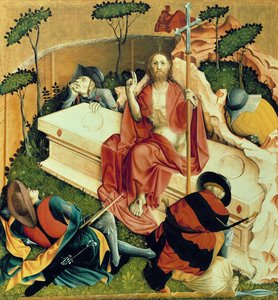
Jesus sits upon a cold stone bench, his arms outstretched in a gesture of blessing or miracle. The light catches the heavy folds of his garments, grounding the divine in the weight of the physical world. Around him, the space is populated by silent witnesses. A figure stands in the upper left corner, watching from the periphery, while another lingers in the distance to the right. Two swords rest near…

Подборка Ханс Мульчер продолжается, с 11 по 23

Знаменитые картины Ханс Мульчер по периодам творчества

Сюжеты, которые вдохновляли Ханс Мульчер

Четыре темы, которые чаще всего встречаются в этих оригиналах, каждая из которых представлена своим лучшим образцом.

Музеи, в которых хранятся оригиналы работ Ханс Мульчер

7 музеев, в которых находится большинство картин со страницы.

Музей Город Работы Ханс Мульчер Картины из этого списка
Государственные музеи Берлина, БерлинГосударственные музеи Берлина Берлин 11 Christ before Pilate, Pentecost, Th Adoration of the Magi
Gemäldegalerie, БерлинGemäldegalerie Берлин 6 The Wings of the Wurzach Altar, The Wings of the Wurzach Altar, The Wings of the Wurzach Altar
Liebieghaus, ФранкфуртLiebieghaus Франкфурт 1 Святая Троица
Баварский национальный музей, МюнхенБаварский национальный музей Мюнхен 1 Model of a Tomb
The Frick Collection, Нью-ЙоркThe Frick Collection Нью-Йорк 1 Reliquary Bust of a Female Saint
Cathedral, UlmCathedral Ulm 1 St George and St John the Evangelist
Музей изящных искусств Будапешта, БудапештМузей изящных искусств Будапешта Будапешт 1 Fragment of a Female Saint

Ханс Мульчер по десятилетиям: оригиналы, определяющие каждую эпоху

Произведения по десятилетиям

Выберите десятилетие, чтобы увидеть шедевр, определяющий его.

Вопросы коллекционеров о картинах Ханс Мульчер

Какая работа Ханс Мульчер наиболее известна?Узнать ответ

Christ before Pilate (1437), Государственные музеи Берлина, Берлин. Далее следуют Pentecost (1437) и Th Adoration of the Magi (1437).

Сколько лет было Ханс Мульчер, когда была создана работа Christ before Pilate?Узнать ответ

37 лет: Christ before Pilate датируется 1437 годом, а Ханс Мульчер родился в 1400.

Какие десять самых известных картин написал Ханс Мульчер?Узнать ответ

Christ before Pilate, Pentecost, Th Adoration of the Magi, Christ Carrying the Cross, Святая Троица, The Wings of the Wurzach Altar, Model of a Tomb, Reliquary Bust of a Female Saint, The Wings of the Wurzach Altar и The Wings of the Wurzach Altar. В рейтинге выше указаны год создания и музей для каждой работы.

Сколько картин оставил(а) Ханс Мульчер?Узнать ответ

В нашем каталоге представлено 24 работ Ханс Мульчер, созданных в период с 1430 по 1460.

В каких музеях представлены шедевры Ханс Мульчер?Узнать ответ

В основном в Государственные музеи Берлина (Берлин), Gemäldegalerie (Берлин) и Liebieghaus (Франкфурт). В таблице выше перечислены все музеи.

В какие годы Ханс Мульчер написал свои самые известные работы?Узнать ответ

В 1430s: 19 из 23 работ на этой странице были созданы в этот период, Christ before Pilate из них.

Каковы первые и последние известные оригинальные работы Ханс Мульчер?Узнать ответ

На этой странице самая ранняя работа датирована Святая Троица (1430), а самая поздняя — Reliquary Bust of a Female Saint (1460).

Какие сюжеты Ханс Мульчер выбирал чаще всего?Узнать ответ

Religious scene (5), Religious art (5) и Medieval (4) в 23 работах на этой странице.

Какую технику чаще всего использовал(а) Ханс Мульчер?Узнать ответ

Oil On Panel, для 9 из 23 работ на этой странице.

Какие работы Ханс Мульчер представлены в Государственные музеи Берлина?Узнать ответ

Christ before Pilate, Pentecost и Th Adoration of the Magi: в коллекции Государственные музеи Берлина, Берлин находится 11 работ со страницы.

Ханс Мульчер: жизнь и творчество

Hans Multscher: A Bridge Between Gothic and Renaissance in German Art

Born around 1400 in the tranquil Bavarian town of Reichenhofen, now part of Leutkirch im Allgäu, Hans Multscher’s life was a pivotal moment in the evolution of German art. He wasn't merely an artist; he was a translator, skillfully bridging the stylistic gap between the late Gothic period and the burgeoning Renaissance – a transition marked by both profound change and remarkable artistic innovation. While the details of his early years remain somewhat shrouded in history, it’s clear that Multscher possessed an insatiable curiosity and a keen eye for capturing the essence of human experience through art. He didn't simply mimic prevailing trends; he actively sought out new influences, embarking on journeys that fundamentally shaped his distinctive artistic vision – a vision rooted in both tradition and a daring embrace of contemporary European styles.

His travels likely led him to the vibrant artistic centers of northern France and the Netherlands, regions where realism and meticulous detail were rapidly gaining prominence. These encounters exposed Multscher to the revolutionary techniques and aesthetic sensibilities of Early Netherlandish painting – a style characterized by its luminous colors, dramatic lighting, and profound psychological depth. This exposure profoundly impacted his own work, leading him to incorporate these innovations into his sculptures and paintings, creating a unique synthesis that distinguished him from his contemporaries.

  • Early Training: While specific details of his formal training are scarce, it’s believed Multscher honed his skills in the workshops of master sculptors in Bavaria.
  • The Influence of Northern Europe: The stylistic elements evident in his early works – particularly the anatomical accuracy and naturalistic portrayal of figures – strongly suggest a formative period spent studying art in the Netherlands or northern France.
  • A Free Citizen: In 1427, Multscher achieved a significant milestone by becoming a free citizen of Ulm, a bustling commercial hub on the banks of the Danube River. This move marked a turning point in his career, providing him with greater independence and access to new opportunities.

The Workshop: A Crucible of Artistic Innovation

Multscher’s workshop wasn't simply a production facility; it was a dynamic environment where artistic experimentation flourished. He presided over a sizable team – records indicate as many as sixteen assistants working alongside him at various times – fostering an atmosphere conducive to innovation and the development of new techniques. This collaborative setting allowed for a constant exchange of ideas, pushing the boundaries of traditional Gothic forms while simultaneously incorporating elements of naturalism and realism. The workshop’s influence extended far beyond Multscher himself; it played a crucial role in disseminating his artistic principles throughout Swabia and beyond.

His sculptural work underwent a particularly dramatic transformation during this period. Moving away from the elongated figures and stylized drapery characteristic of late Gothic sculpture, Multscher began to depict human forms with greater anatomical accuracy and emotional depth. This shift is vividly illustrated in his sculptures, which exhibit a remarkable sensitivity to the nuances of human expression – a hallmark of his distinctive style.

The Wurzach Altar: A Masterpiece of Transition

Among Multscher’s most celebrated achievements is the *Wurzacher Altar*, begun in 1437 and representing a pivotal moment in his artistic development. This ambitious project, commissioned for the church of St. James in Wurzach, showcases Multscher's mastery of oil painting – a relatively new medium at the time – and his ability to render textures, light, and shadow with breathtaking precision. The altar’s panels depict scenes from the life of Christ and the Virgin Mary, each imbued with a palpable sense of humanity that set it apart from earlier devotional art.

  • Oil Painting Innovation: The use of oil paint in the *Wurzacher Altar* demonstrated Multscher’s willingness to embrace new techniques and materials.
  • Realistic Depiction: The figures in the altar are rendered with remarkable realism, capturing not only their physical appearance but also their emotional states.
  • Symbolic Composition: The arrangement of scenes within the altar is carefully considered, conveying a complex theological message to viewers.

Beyond Wurzach: Sculpture and Secular Commissions

While the *Wurzacher Altar* remains his most famous work, Multscher’s artistic output extended far beyond this single masterpiece. He created numerous sculptures, including the poignant depiction of *Holy Mary Magdalen*, now housed in Frankfurt's Liebieghaus – a testament to his ability to convey profound emotion through sculpted form. His workshop also produced a series of impressive stone carvings, notably the group of emperors adorning the eastern window of Ulm’s city hall.

Furthermore, Multscher accepted commissions for secular works, demonstrating his versatility and appeal to a broad clientele. These commissions included portraits, decorative panels, and architectural sculptures – reflecting his ability to adapt his style to diverse contexts and patron demands. His work served as a powerful symbol of civic pride and artistic excellence in Ulm.

A Lasting Legacy: A Bridge Between Eras

Hans Multscher’s significance lies not only in the beauty and technical skill of his art but also in his role as a catalyst for change. He was among the first German artists to fully embrace the realism and naturalism that were transforming art in northern Europe, paving the way for subsequent generations of Renaissance masters. His work represents a crucial moment in the development of German art – a transition from the stylized conventions of the Gothic period towards a more humanistic and observational approach.

Despite his untimely death in 1467, Multscher’s influence endured. The workshop he established continued to thrive for decades after his passing, disseminating his artistic principles throughout Swabia and beyond. Today, his works are treasured as national treasures, offering a profound glimpse into the artistic landscape of 15th-century Germany – a testament to the enduring legacy of a true pioneer.