Меню
БЕСПЛАТНАЯ КОНСУЛЬТАЦИЯ ПО ИСКУССТВУ

Джильберт Стюарт

1755 - 1828

Краткая справка

  • Typical colors:
    • теплые
    • природные землистые
  • Topics explored:
    • portraiture
    • portrait
    • american history
    • 18th century
    • neoclassicism
  • Art period: — Раннее Новое время
  • Mediums: масло на холсте
  • Copyright status: Public domain
  • Room fit: гостиная
  • Nationality: Великобритания
  • Emotional tone: раздумчивый
  • Corpus themes:
    • neoclassical ideals
    • american identity
    • classical ideals
    • stuart’s neoclassical style
    • social status
  • Works on APS: 190
  • Museums on APS:
    • Национальная галерея искусств
    • Национальная портретная галерея
    • Национальная галерея искусств
    • Национальная галерея искусств
    • High Museum of Art
  • Vibe:
    • элегантный
    • классика
  • Развернуть подробности
  • Died: 1828
  • Color intensity: насыщенный
  • Top-ranked work: Louis-Marie, Vicomte de Noailles
  • Creative periods: mature period
  • Born: 1755, Сондерстоун, Великобритания
  • Also known as: Gilbert Stewart
  • Lifespan: 73 years
  • Gift suitability: other-none
  • Top 3 works:
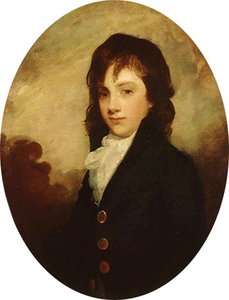
    • Louis-Marie, Vicomte de Noailles
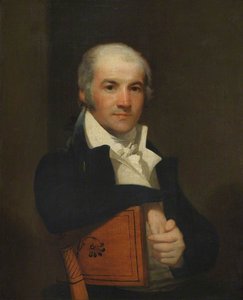
    • Washington Allston
    • John Jay
  • Movements: neoclassicism
  • Best occasions:
    • центральный акцент
    • акцентный цвет

Тест по искусству

В каждом вопросе только один правильный ответ.

Вопрос 1:
Когда родился Гибсон Стюарт?
Вопрос 2:
Где начал свое обучение Гибсон Стюарт?
Вопрос 3:
Кто оказал влияние на стиль Гибсона Стюарта как художник?
Вопрос 4:
Какую известную фигуру изобразил Гибсон Стюарт в своем наиболее знаменитом портрете?
Вопрос 5:
В каком городе Гибсон Стюарт прожил большую часть своей жизни?

Gilbert Stuart (1755–1828): America’s Foremost Portraitist

Gilbert Stuart, born December 3, 1755, in Saunderstown, Rhode Island, was undeniably one of the most celebrated portrait painters of his era and remains an icon of American artistic heritage. His legacy extends far beyond mere likenesses; he captured the spirit and character of his subjects with unparalleled skill, establishing a distinctive style that blended European refinement with uniquely American sensibilities. ### Early Life and Training Gilbert Stuart’s origins were rooted in Scottish ancestry—his father, Gilbert Stewart Sr., was an inventor who pioneered Rhode Island's first snuff mill. From a young age, Stuart demonstrated prodigious artistic talent, evident even as a child. At just fourteen, he completed “Dr. Hunter’s Spaniels,” showcasing early promise and establishing him as a gifted draftsman. Recognizing his potential, Cosmo Alexander, a Scottish artist, mentored Stuart around 1771, providing foundational training in technique and composition. Following Alexander's untimely death in 1775, Stuart continued his artistic education in London with Benjamin West, a prominent American painter residing there from 1775 to 1780—a period crucial for honing his style and gaining recognition within the Royal Academy. ### Artistic Career and Major Works Stuart’s career faced considerable challenges during the tumultuous years of the American Revolution, prompting him to relocate to England in 1775. Despite these difficulties, he swiftly achieved success with “The Skater” (1782), a portrait that cemented his reputation as a masterful artist. However, Stuart's magnum opus remains the unfinished portrait of George Washington, known universally as the Athenaeum Portrait—begun in 1796 and never completed. This image has transcended mere representation; it embodies the very essence of American leadership and identity, appearing on U.S. currency and postage stamps for over a century. Stuart produced numerous copies of this portrait for patrons across America and Europe, demonstrating his unwavering dedication to his craft. Beyond Washington, he painted portraits of John Adams, Thomas Jefferson, James Madison, and many influential figures from the Federalist elite—each piece reflecting Stuart’s meticulous observation and psychological insight. His style was characterized by a Neoclassical approach, emphasizing realism and utilizing dramatic chiaroscuro to heighten the impact of his compositions. ### Influences and Development Stuart's artistic development was shaped by several key influences. Cosmo Alexander instilled early technique and compositional principles, while Benjamin West’s guidance profoundly impacted Stuart’s understanding of portraiture and artistic ideals. Crucially, Stuart himself absorbed the atmosphere and intellectual currents of his time—particularly the burgeoning Neoclassical movement—which championed classical forms and values. He wasn't simply replicating appearances; he sought to convey inner character and intellect, striving for a level of psychological depth rarely achieved by his contemporaries. ### Historical Significance and Legacy Gilbert Stuart’s contribution to American art history is undeniable. He played an instrumental role in documenting the formative years of the United States through his portraits—capturing not only physical likenesses but also conveying the spirit of the era. The Athenaeum Portrait of George Washington stands as a timeless symbol of American identity and leadership, continuing to inspire awe and admiration generations later. Stuart established a distinctive American style of portraiture that blended European techniques with uniquely American sensibilities—a legacy preserved in museums across America and Europe where his masterpieces continue to captivate audiences today.