
Краткая справка
- Emotional tone: спокойствие
- Also known as:
- Гертруда Стантон
- Гертруда Стантон Кэзбейер
- Movements:
- pictorialism
- pictorialist photography
- Copyright status: Public domain
- Nationality: Иова
- Creative periods: mature period
- Works on APS: 17
- Corpus themes: gender roles
- Born: 1852, Форт Де Мойнс, Иова
- Top 3 works:
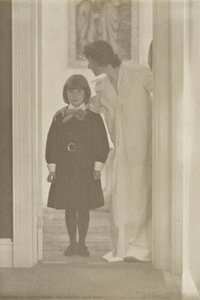
- Blessed Art Thou Among Women
- Семейство Попов на лужайке Хилл-Стида
- Blessed Art Thou among Women
- Topics explored:
- photography
- portraiture
- motherhood
- domesticity
- victorian era
- Развернуть подробности
- Died: 1934
- Vibe:
- безмятежный
- элегантный
- Room fit: гостиная
- Color intensity: сбалансированный
- Mediums: акрил на холсте
- Museums on APS:
- Boca Raton Museum of Art
- Amon Carter Museum of American Art
- Amon Carter Museum of American Art
- Amon Carter Museum of American Art
- Amon Carter Museum of American Art
- Gift suitability: other-none
- Top-ranked work: Blessed Art Thou Among Women
- Lifespan: 82 years
- Art period: — XIX век
- Best occasions: акцентный цвет
Тест по искусству
В каждом вопросе только один правильный ответ.
Вопрос 1:
Где родилась Гертруда Кэзбейер?
Вопрос 2:
В каком году Гертруда Кэзбейер начала изучать живопись?
Вопрос 3:
Где открылась студия Гертруды Кэзбейер?
Вопрос 4:
Кто был влиятельным художником и педагогом, который вдохновил Гертруду Кэзбейер на изучение фотографии?
Вопрос 5:
Где Гертруда Кэзбейер была членом Фотосессии?
Похожие статьи

Воскрешение воспоминаний: Художественная реконструкция фотографий низкого разрешения в высококачественные масляные картины
Превратите ценные воспоминания в изысканные масляные картины! Профессиональная реставрация фото, ручная работа художников. Уникальные подарки и портреты на заказ. Гарантия качества!


Beyond the Lens: Photography's Enduring Influence on Modern & Contemporary Art
Explore photography's pivotal role in shaping modern & contemporary art. Discover key movements, influential artists like Stieglitz, and expert collecting advice from OriginalUniqueArt.
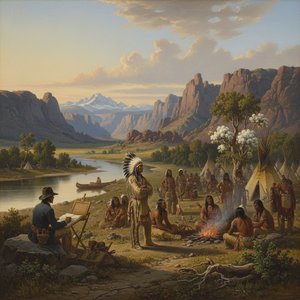
Karl Bodmer: Capturing Indigenous Life & Landscapes of the American West
Explore the captivating art of Karl Bodmer, whose detailed paintings documented Indigenous life along the Missouri River in the 19th century. Discover his legacy and lasting impact on Western art history.


![Portrait (miss N.) [evelyn Nesbit], From Camera Work No. 1 — Гертруда Кэзбейер](/media/artworks/images/thumbnails/51/1f/511f7b456ca4460f85b9b11d1c5e9d49.jpg)



