Меню
БЕСПЛАТНАЯ КОНСУЛЬТАЦИЯ ПО ИСКУССТВУ

Джордж Баррет Старший

1732 - 1784

Краткая справка

  • Nationality: Ирландия
  • Movements: romanticism
  • Top 3 works:
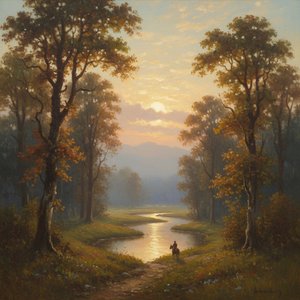
    • The Drive, Norbury Park
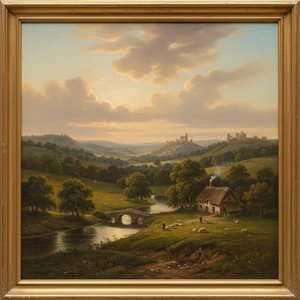
    • Landscape with a Ruined Tower
    • The Falls of Tivoli
  • Copyright status: Public domain
  • Gift suitability: other-none
  • Works on APS: 105
  • Corpus themes:
    • classical landscape influence
    • royal academy style
    • classical landscape
    • royal academy influence
  • Died: 1784
  • Emotional tone:
    • меланхоличный
    • ностальгический
  • Mediums: масло на холсте
  • Best occasions:
    • акцентный цвет
    • центральный акцент
  • Развернуть подробности
  • Room fit: гостиная
  • Lifespan: 52 years
  • Art period: — Раннее Новое время
  • Top-ranked work: The Drive, Norbury Park
  • Born: 1732, Либертивилл, Ирландия
  • Vibe: романтичный
  • Creative periods: mature period
  • Topics explored:
    • landscape
    • scenes
    • buildings
    • nature
    • sunset
  • Also known as:
    • Г. Баррет
    • Джордж Баррет
  • Museums on APS:
    • Ашмолеанский музей искусств и археологии
    • Ашмолеанский музей искусств и археологии
    • Ашмолеанский музей искусств и археологии
    • Ашмолеанский музей искусств и археологии
    • Ашмолеанский музей искусств и археологии

Тест по искусству

В каждом вопросе только один правильный ответ.

Вопрос 1:
Кто является основным художником пейзажей в XVIII веке?
Вопрос 2:
В каком художественном стиле работал Джордж Баррет Старший?
Вопрос 3:
Как повлиял Эдуард Бурк на творчество Баррета?
Вопрос 4:
Где Джордж Баррет Старший работал в качестве главного художника?
Вопрос 5:
Что привело Баррета переехать в Вестборн Грин в 1772 году?

George Barret Sr.: Life & Legacy

George Barret Sr., born between 1728 and 1732 in Libertyville, Ireland—the son of a cloth merchant—established himself as one of the most influential landscape artists of his era. His artistic journey began humbly, apprenticed initially as a staymaker before an innate talent for drawing swiftly propelled him toward a more ambitious path. Around 1747, he enrolled at Robert West’s Academy in Dublin, generously supported by the Royal Dublin Society, marking the formal commencement of his artistic education and demonstrating early promise within the burgeoning Dublin art scene. He subsequently served as a drawing instructor at the academy, cementing his reputation for skill and fostering connections that would shape his future endeavors. A particularly significant relationship blossomed during Burke’s time at Trinity College, Dublin—a friendship with Edmund Burke that proved to be profoundly formative. Burke's philosophical writings, notably *A Philosophical Enquiry into the Origin of Our Ideas of the Sublime and Beautiful*, exerted a considerable influence on Barret’s artistic sensibilities, informing his approach to portraying landscapes as expressions of grandeur and awe. Early canvases often mirrored classical Italianate scenery—a stylistic choice rooted in the prevailing aesthetic ideals of the time—primarily achieved by reworking engravings created by artists like Claude Lorrain. Despite depicting idealized Italian vistas, there's no documented evidence that Barret ever undertook a personal voyage to Italy itself, highlighting the importance of intellectual inspiration alongside visual observation. In 1762, seeking greater artistic opportunities and propelled by ambition, Barret relocated to London—a pivotal decision that would propel him to prominence within the British art world. Within months, he gained recognition as a leading landscape artist, attracting considerable patronage from wealthy collectors eager to acquire his evocative depictions of English and Irish landscapes. A landmark achievement arrived in 1768 when Barret joined forces with fellow artists to depart the Society of Artists of Great Britain and forge the Royal Academy—a transformative moment that fundamentally reshaped British art history and established a new paradigm for artistic excellence. Barret’s artistic style underwent considerable evolution, transitioning from initially stylized Italianate landscapes toward more nuanced representations of his homeland. Extensive travels throughout England, Wales, Scotland, and Ireland fueled his creativity, resulting in commissions that captured the diverse beauty of these regions. Recurring themes included tranquil pastoral scenes—idyllic views of rural life—and picturesque depictions of estates and gardens—often featuring grand vistas and meticulously crafted landscapes. His paintings frequently incorporated figures within the natural world, conveying a sense of scale and narrative alongside aesthetic contemplation. The Royal Academy continued to showcase his work until 1782, solidifying his legacy as a champion of British artistic innovation. Throughout his life, Barret wrestled with health challenges—specifically asthma—which prompted him to relocate to Westbourne Green in 1772—a deliberate choice prioritizing wellbeing amidst his burgeoning career. Despite achieving considerable financial success from his paintings, he was characterized as “feckless” with money and experienced periods of hardship. However, Edmund Burke’s unwavering friendship provided crucial support both emotionally and financially, securing Barret the prestigious appointment of Master Painter at Chelsea Hospital—a position he held until his untimely death in 1784. Following his passing, the Royal Academy bestowed upon his widow and children a pension of thirty pounds annually—a testament to his enduring contribution to British art and culture. His paintings remain treasured possessions within national collections like the National Gallery of Ireland and Yale Center for British Art, ensuring that George Barret Sr.’s artistic vision continues to inspire admiration and scholarly study centuries later.