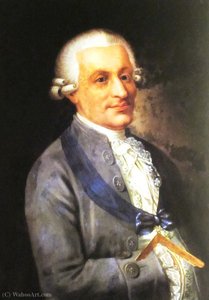
Портрет Georg David Matthieu

19 самых известных картин Georg David Matthieu, каждая из которых уникальна

Обновлено Ноябрь 2026 · рейтинг на основе нашего показателя популярности (количество поисковых запросов, посещений и заказов для каждой работы) · 21 работ Georg David Matthieu в нашем каталоге

Вкратце

Portrait of Charlotte of Mecklenburg-Strelitz (1762) — это самая популярная картина Georg David Matthieu; оригинал находится в Национальная портретная галерея Швеции, Стреннсе. Затем взгляд переходит на Joachim Ulrich Giese (1762) и Portrait of a man in armour. Из 21 работ Georg David Matthieu в нашем каталоге эти 19 являются самыми известными: каждая из них — уникальный оригинал с указанием года создания, музея и причины ее бессмертия.

1737 – 1778, Berlin Rococo Больше всего работ: Государственные музеи Берлина

Топ-10 картин Georg David Matthieu глазами галереи

1
Portrait of Charlotte of Mecklenburg-Strelitz (1762) работы Georg David Matthieu

Portrait of Charlotte of Mecklenburg-Strelitz

In this 1762 oil on canvas, Georg David Matthieu presents a formal portrait of Charlotte of Mecklenburg-Strelitz. The subject, known as Queen Charlotta or Sofia Charlotta, held the titles of Princess of Mecklenburg-Strelitz and Queen of England. Matthieu, a German painter who served as a court painter, captures her presence with a focus on the dignity inherent to her station. The work is signed GD, Matthieu.

2
Joachim Ulrich Giese (1762) работы Georg David Matthieu

Joachim Ulrich Giese

1762 · Oil On Canvas · Государственные музеи Берлина, Берлин

To gaze upon this portrait of Joachim Ulrich Giese is to step directly into the gilded salons of 18th-century Berlin. Painted in 1762 by Georg David Matthieu, the work transcends a mere likeness; it is a carefully constructed tableau of intellectual refinement and aristocratic grace. The very air surrounding the subject seems imbued with the delicate exuberance characteristic of the Rococo period. Everything about the composition whispers of an era…

5
The Wife of Joachim Ulrich Giese (1762) работы Georg David Matthieu

The Wife of Joachim Ulrich Giese

1762 · Oil On Canvas · Государственные музеи Берлина, Берлин

Georg David Matthieu’s “The Wife of Joachim Ulrich Giese,” painted in 1762, is more than just a portrait; it's a meticulously crafted tableau of Rococo elegance and subtle psychological depth. Created during the height of Matthieu’s career – a period marked by his association with influential figures like Jakob Philipp Hackert and his service as court painter for the Duke of Mecklenburg – this work offers a captivating glimpse into…

Знаменитые картины Georg David Matthieu, с 11 по 19

Сюжеты, которые вдохновляли Georg David Matthieu

Четыре темы, которые чаще всего встречаются в этих оригиналах, каждая из которых представлена своим лучшим образцом.

Музеи, в которых хранятся оригиналы работ Georg David Matthieu

3 музеев, в которых находится большинство картин со страницы.

Музей Город Работы Georg David Matthieu Картины из этого списка
Государственные музеи Берлина, БерлинГосударственные музеи Берлина Берлин 2 Joachim Ulrich Giese, The Wife of Joachim Ulrich Giese
Национальная портретная галерея Швеции, СтреннсеНациональная портретная галерея Швеции Стреннсе 1 Portrait of Charlotte of Mecklenburg-Strelitz
Национальный музей в Варшаве, ВаршаваНациональный музей в Варшаве Варшава 1 Portrait of a man in armour

Georg David Matthieu сквозь года: уникальные оригиналы каждой работы

Все представленные здесь оригинальные работы Georg David Matthieu, датированные 1762, относятся к одному году и расположены в порядке популярности.

Работы по годам

Выберите год, чтобы увидеть оригиналы.

Картины Georg David Matthieu: вопросы к галерее

Какая работа Georg David Matthieu является самой известной?Узнать ответ

Portrait of Charlotte of Mecklenburg-Strelitz (1762), Национальная портретная галерея Швеции, Стреннсе. Далее следуют Joachim Ulrich Giese (1762) и Portrait of a man in armour.

В каком возрасте Georg David Matthieu создал(а) Portrait of Charlotte of Mecklenburg-Strelitz?Узнать ответ

25 лет: Portrait of Charlotte of Mecklenburg-Strelitz датируется 1762 годом, а Georg David Matthieu родился в 1737.

Какие десять картин Georg David Matthieu являются самыми известными?Узнать ответ

Portrait of Charlotte of Mecklenburg-Strelitz, Joachim Ulrich Giese, Portrait of a man in armour, Portrait of Amelie of Mecklenburg-Schwerin, The Wife of Joachim Ulrich Giese, Friedrich der Fromme, Portrait of Grand-duke Friedrich Franz I of Mecklenburg-Schwerin and his tutor, Portrait of duchess Ulrike Sophie of Mecklenburg, Louise Friderike of Württemberg и Portrait johann carl dähnert. В рейтинге выше указаны год создания и музей для каждой работы.

Сколько известно работ Georg David Matthieu?Узнать ответ

В нашем каталоге представлено 21 работ художника Georg David Matthieu.

Где можно увидеть подлинники, созданные Georg David Matthieu?Узнать ответ

В основном в Государственные музеи Берлина (Берлин), Национальная портретная галерея Швеции (Стреннсе) и Национальный музей в Варшаве (Варшава). В таблице выше перечислены все музеи.

В какой период Georg David Matthieu создал свои самые известные картины?Узнать ответ

В 1762: 3 из 19 работ на этой странице были созданы в этот период, Portrait of Charlotte of Mecklenburg-Strelitz из них.

Какие сюжеты предпочитал Georg David Matthieu?Узнать ответ

Portraits (6), Royalty (4) и Woman (2) в 19 работах на этой странице.

Какими материалами чаще всего пользовался Georg David Matthieu?Узнать ответ

Oil On Canvas, для 3 из 19 работ на этой странице.

К какому направлению относится творчество Georg David Matthieu?Узнать ответ

Rococo, судя по оригиналам на этой странице.

Какие оригинальные работы Georg David Matthieu можно увидеть в Государственные музеи Берлина?Узнать ответ

Joachim Ulrich Giese и The Wife of Joachim Ulrich Giese: в коллекции Государственные музеи Берлина, Берлин находится 2 работ со страницы.

Georg David Matthieu: портрет художника

A Lineage of Courtly Brushes

Berlin, 1737. The air in the studio of David Matthieu carries the scent of oil and pigment, a workspace where Georg David Matthieu begins his life within a family of established artists. He does not merely observe the craft; he breathes it through a lineage that connects him to the Prussian court. His father, David, holds the position of court painter in Prussia, providing a foundation of technical rigor. This connection extends through his stepmother, Anna Rosina, linking Georg to the influential Georg Lisiewski and the talented Anna Dorothea Therbusch.

The training is intimate and rigorous. He learns the precision required for engraving and the delicate touch needed for portraiture under his father's direct gaze. This early immersion in the mechanics of light and shadow prepares him for a life defined by the demands of the aristocracy. His path is not one of solitary wandering but of professional continuity, moving through the established circles of German and Swedish nobility.

The Mecklenburg Appointment

A shift occurs in 1764. Following his work on a portrait of Queen Sophie Charlotte, Georg David Matthieu secures a position that alters his social and professional standing: court painter to the Duke of Mecklenburg-Schwerin. He moves into an apartment within the newly built Ludwigslust Palace. The transition from a student of the Prussian tradition to a resident of the ducal court brings a new set of responsibilities and a specific aesthetic demand.

Life at the court follows a strict hierarchy. As a painter ranked 20th out of 24, his existence is governed by the system established by Duke Friedrich William. His compensation is fixed—250 Reichstalers annually, supplemented by free food and housing for his family. He spends his days documenting the ducal family and their relatives, capturing the physical presence of the Mecklenburg-Schwerin line. The work is constant. He is on call, tasked with projecting the dignity of the house through the Rococo style.

Technique and the Rococo Eye

The portraits produced during this period focus on the material reality of the 18th-century elite. In works such as the portrait of Joachim Ulrich Giese, the emphasis lies on texture and social signifiers. A red velvet coat is rendered with a weight that contrasts against white lace cuffs. The light does not merely illuminate; it sculpts figures from the surrounding darkness, providing a sense of three-dimensionality to the subjects.

Matthieu utilizes specific elements to communicate status:

  • The inclusion of books and maps to suggest intellectual pursuit and territorial dominion.
  • Detailed renderings of silk, lace, and embroidery to signal wealth.
  • Careful compositions involving plush couches, vases, and fine papers to establish an opulent interior setting.

His friendship with Jakob Philipp Hackert likely brings broader European influences into his practice, particularly through shared study trips to Italy. This exposure refines his ability to handle color schemes and the delicate exuberance of the Rococo period. Even in smaller works, such as his drawings in black and red chalk or blue pastel, the precision of his hand remains evident. He dies in 1778, leaving behind a body of work that remains housed in the collections of the Staatliches Museum Schwerin, the Gemäldegalerie Berlin, and The Metropolitan Museum of Art.