


1


Обновлено Ноябрь 2026 · рейтинг на основе нашего показателя популярности (количество поисковых запросов, посещений и заказов для каждой работы) · 13 работ Gaspar de Witte в нашем каталоге
Вкратце
Interior of an Art Collector's Cabinet with Many Visitors (1639) — это самая популярная картина Gaspar de Witte; оригинал находится в Musée Girodet, Монтаржи. Затем взгляд переходит на The Allegorical Female Figures Nature and Pictura in an Art Collection, with Representative Antwerp Canvasses (1639) и Jesus Heals the Centurion's Servant (1650). Из 13 работ Gaspar de Witte в нашем каталоге эти 13 являются самыми известными: каждая из них — уникальный оригинал с указанием года создания, музея и причины ее бессмертия.


8 музеев, в которых находится большинство картин со страницы.
| Музей | Город | Работы Gaspar de Witte | Картины из этого списка |
|---|---|---|---|
 Баварские государственные живописные коллекции |
Мюнхен | 3 | Hilly Landscape, Hilly Landscape, Mountain Landscape |
 Королевский музей изящных искусств Антверпена |
Антверпен | 2 | Christ Healing the Blind Man at Jericho, The Fortune-Teller |
 Musée Girodet |
Монтаржи | 1 | Interior of an Art Collector's Cabinet with Many Visitors |
 Rockox House |
Антверпен | 1 | Jesus Heals the Centurion's Servant |
 Государственный Эрмитаж |
Санкт-Петербург | 1 | Concert in the Park |
 Kingston Lacy |
Уимборн-Минстер | 1 | A Rocky Wooded Landscape with a Figure on a Path |
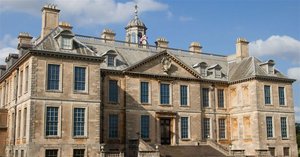 Belton House |
Гратем | 1 | Classical Landscape with Travellers and a River |
 Noordbrabants Museum |
'с-Хертогенбос | 1 | Still Life with Tulips, Carnations and Other Flowers in a Vase |
Выберите десятилетие, чтобы увидеть шедевр, определяющий его.
Interior of an Art Collector's Cabinet with Many Visitors (1639), Musée Girodet, Монтаржи. Далее следуют The Allegorical Female Figures Nature and Pictura in an Art Collection, with Representative Antwerp Canvasses (1639) и Jesus Heals the Centurion's Servant (1650).
15 лет: Interior of an Art Collector's Cabinet with Many Visitors датируется 1639 годом, а Gaspar de Witte родился в 1624.
Interior of an Art Collector's Cabinet with Many Visitors, The Allegorical Female Figures Nature and Pictura in an Art Collection, with Representative Antwerp Canvasses, Jesus Heals the Centurion's Servant, Christ Healing the Blind Man at Jericho, Hilly Landscape, Hilly Landscape, Mountain Landscape, Italian Landscape with Herdsman, Concert in the Park и A Rocky Wooded Landscape with a Figure on a Path. В рейтинге выше указаны год создания и музей для каждой работы.
В нашем каталоге представлено 13 работ Gaspar de Witte, созданных в период с 1639 по 1671.
В основном в Баварские государственные живописные коллекции (Мюнхен), Королевский музей изящных искусств Антверпена (Антверпен) и Musée Girodet (Монтаржи). В таблице выше перечислены все музеи.
В 1650s: 6 из 13 работ на этой странице были созданы в этот период, Jesus Heals the Centurion's Servant из них.
На этой странице самая ранняя работа датирована Interior of an Art Collector's Cabinet with Many Visitors (1639), а самая поздняя — Christ Healing the Blind Man at Jericho (1671).
Hilly Landscape, Hilly Landscape и Mountain Landscape: в коллекции Баварские государственные живописные коллекции, Мюнхен находится 3 работ со страницы.
Born in Antwerp, Belgium, Gaspar de Witte was a member of a prominent painting family. He was the son of Peter de Witte II and Barbara Remeeus, and his brothers, Peter de Witte III and Jan Baptist de Witte, were also painters. After training under his father, who specialized in landscapes, church interiors, and religious paintings, de Witte traveled to Rome in 1646. During his time there, he joined the Bentvueghels, an association of Dutch and Flemish artists, where he was given the nickname Grondel. Following a period in France around 1648, he returned to Antwerp and became a "winemaster" in the Antwerp Guild of Saint Luke in 1650. He also operated a small trading business for painting necessities and served as a teacher to Cornelis Huysmans.
De Witte is primarily remembered for his landscapes and his contributions to the genre of gallery paintings. His landscapes often featured pastoral scenes with shepherds, religious themes, or genre scenes such as village fairs and dances. While many of his works were not in the Italianate style, he frequently included Italian antique relics to suit local tastes. He often collaborated with other artists to provide staffage for his compositions, including works with Anton Goubau and Gonzales Coques. Notable examples include:
In the realm of gallery paintings, de Witte participated in complex compositions depicting elegant rooms filled with art and precious items. He is also identified as the likely painter of the allegorical work The allegorical female figures Nature and Pictura in an art-collection, which features personifications of Plenty and Painting alongside symbols of the Arts and the transient nature of war.


