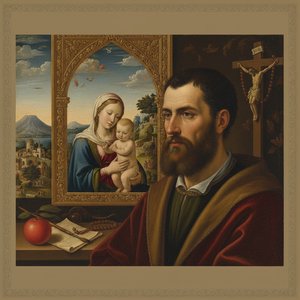
Francesco Traini: A Florentine Master Amidst Medieval Shadows
Francesco Traini (c. 1321 – c. 1365) stands as a singular figure in the artistic landscape of Tuscany during the tumultuous fourteenth century, primarily recognized for his monumental frescoes adorning the Camposanto Monumentale in Pisa and Bologna—works that encapsulate the anxieties and spiritual fervor born from the Black Death. While biographical details remain scarce, scholarly consensus points to Pisa as Traini’s birthplace and formative environment, where he honed his craft under the tutelage of Andrea Orcagna, a pivotal sculptor and painter whose influence is palpable in Traini's stylistic choices.
Early Life & Training: Precise information regarding Traini’s upbringing is elusive. However, evidence suggests he was educated within the Dominican Order at Pisa, fostering an intellectual engagement that would permeate his artistic endeavors. This affiliation instilled a profound preoccupation with theological themes and moral contemplation—a characteristic evident in his oeuvre.
The Camposanto Frescoes: Traini’s fame rests almost entirely upon his contribution to the Camposanto Monumentale, Pisa's necropolis chapel. These frescoes represent arguably the most ambitious artistic project of its time, reflecting a complex interplay between Gothic tradition and emerging Renaissance sensibilities. The cycle—featuring depictions of the Last Judgement, Inferno, Legends of the Hermits, and the Triumph of Death—is considered a cornerstone of medieval art history.
Stylistic Innovation & Theoretical Influences
Traini’s artistic style distinguishes itself from prevailing trends through its masterful use of color and spatial organization. Unlike many contemporary artists who adhered to stylized representations, Traini achieved remarkable realism—particularly in portraying human figures—demonstrating an acute understanding of anatomical proportions and drapery folds. This meticulous attention to detail aligns closely with Orcagna’s sculptural approach, emphasizing naturalism as a vehicle for conveying spiritual truth.
Orcagna's Legacy: Andrea Orcagna’s influence is undeniable in Traini’s compositional strategies and expressive dynamism. Orcagna championed the concept of “naturalis dispositio,” prioritizing spatial realism to communicate theological ideas effectively—a principle that Traini wholeheartedly embraced.
The Dance of Death Motif: The Triumph of Deathfresco, arguably Traini's magnum opus, embodies the pervasive preoccupation with mortality during the Black Death era. Drawing inspiration from Germanic “Totentanz” paintings—which depicted skeletons dancing amidst a vibrant landscape—Traini’s depiction transcends mere visual representation; it serves as a didactic allegory urging viewers to confront their own vulnerability and embrace repentance.
Debates Surrounding Attribution & Dating
Despite the widespread scholarly acceptance of Traini's authorship for numerous Camposanto frescoes, debates persist regarding the attribution of specific panels. Historian Luciano Bellosi championed Buonamico Buffalmacco as a co-artist—a controversial proposition that challenged established interpretations. Furthermore, dating controversies surround the cycle itself; initial assessments placed it at 1333–36, influenced by French paintings mirroring Traini’s stylistic innovations—though subsequent research suggests a slightly earlier date of 1325–30.
Legacy & Significance
Francesco Traini's frescoes stand as enduring symbols of medieval spirituality and artistic ambition. They exemplify the profound impact of the Black Death on European culture, reflecting anxieties about death and judgment while simultaneously upholding Dominican ideals of asceticism and moral contemplation. His meticulous realism—a departure from prevailing stylistic conventions—established him as a pivotal figure in bridging the Gothic and Renaissance traditions—leaving an indelible mark on the history of Italian art.
Explore the groundbreaking art of Antonello da Messina, a pivotal figure of the Renaissance. Discover his innovative oil painting techniques, captivating portraits, and lasting influence on Italian masters. Learn more at OriginalUniqueArt.