


1


Обновлено Ноябрь 2026 · рейтинг на основе нашего показателя популярности (количество поисковых запросов, посещений и заказов для каждой работы) · 10 работ Evan Williams в нашем каталоге
Вкратце
Helen Lloyd (d.1842), Merch John Lloyd (1830) — это самая популярная картина Evan Williams; оригинал находится в Национальная библиотека Уэльса, Аберистуит. Затем взгляд переходит на John Jones of Talysarn (1796–1857) (1840) и Father of John Parry Jones (1870). Из 10 работ Evan Williams в нашем каталоге эти 10 являются самыми известными: каждая из них — уникальный оригинал с указанием года создания, музея и причины ее бессмертия.


5 музеев, в которых находится большинство картин со страницы.
| Музей | Город | Работы Evan Williams | Картины из этого списка |
|---|---|---|---|
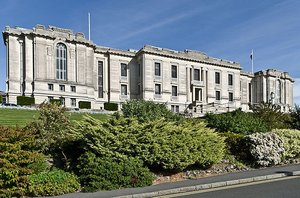 Национальная библиотека Уэльса |
Аберистуит | 5 | Helen Lloyd (d.1842), Merch John Lloyd, John Jones of Talysarn (1796–1857), Parchedig John Jones of Talysarn (1796–1856) |
 Caernarfon Record Office |
Карнарвон | 2 | John Owen of Tyn Llwyn, Pentir (1808–1878), Robert Hughes of the 'Stag's Head' Inn, Penygroes |
 Национальная библиотека Уэльса |
Аберистуит | 1 | Father of John Parry Jones |
 Aberystwyth University School of Art Museum And Galleries |
Аберистуит | 1 | John Williams of Caernarvon (1823–1887) |
 Gwynedd Museum And Art Gallery |
Bangor | 1 | Ebenezer Thomas 'Eben Fardd' (1802–1865) |
Выберите десятилетие, чтобы увидеть шедевр, определяющий его.
Helen Lloyd (d.1842), Merch John Lloyd (1830), Национальная библиотека Уэльса, Аберистуит. Далее следуют John Jones of Talysarn (1796–1857) (1840) и Father of John Parry Jones (1870).
14 лет: Helen Lloyd (d.1842), Merch John Lloyd датируется 1830 годом, а Evan Williams родился в 1816.
Helen Lloyd (d.1842), Merch John Lloyd, John Jones of Talysarn (1796–1857), Father of John Parry Jones, John Owen of Tyn Llwyn, Pentir (1808–1878), Parchedig John Jones of Talysarn (1796–1856), Robert Ellis of Ysgoldy (1808–1881), John Roberts (Ieuan Gwyllt) (1822–1877), John Williams of Caernarvon (1823–1887), Ebenezer Thomas 'Eben Fardd' (1802–1865) и Robert Hughes of the 'Stag's Head' Inn, Penygroes. В рейтинге выше указаны год создания и музей для каждой работы.
В нашем каталоге представлено 10 работ Evan Williams, созданных в период с 1830 по 1878.
В основном в Национальная библиотека Уэльса (Аберистуит), Caernarfon Record Office (Карнарвон) и Национальная библиотека Уэльса (Аберистуит). В таблице выше перечислены все музеи.
В 1870s: 3 из 10 работ на этой странице были созданы в этот период, Father of John Parry Jones из них.
На этой странице самая ранняя работа датирована Helen Lloyd (d.1842), Merch John Lloyd (1830), а самая поздняя — John Roberts (Ieuan Gwyllt) (1822–1877) (1878).
Helen Lloyd (d.1842), Merch John Lloyd, John Jones of Talysarn (1796–1857) и Parchedig John Jones of Talysarn (1796–1856): в коллекции Национальная библиотека Уэльса, Аберистуит находится 5 работ со страницы.
In the rugged, mist-shrouded landscapes of nineteenth-century Wales, few figures embodied the union of spiritual devotion and artistic passion as profoundly as Evan Williams. Known to his compatriots by the evocative moniker Ifan y Limner—The Painter—Williams occupied a unique space in the cultural fabric of Cardiganshire. Born in 1816, his life was defined by a dual vocation that seemed, at first glance, to exist in different realms: he was both a dedicated Calvinistic Methodist minister and a meticulous observer of the natural and human form. This intersection of the divine and the terrestrial allowed him to approach his canvas with a reverence for creation, transforming the dramatic scenery of Snowdonia into something deeply spiritual and enduring.
Williams’s journey began with a rigorous intellectual and spiritual foundation at the Bala Cathedral School. This early education did more than just prepare him for the pulpit; it instilled in him a disciplined eye and an appreciation for the structural beauty of the world. As he matured, his artistic style began to coalesce, drawing heavily from the Neoclassical principles that emphasized clarity, balance, and order. While he faced the significant challenge of finding consistent patronage within a society that often viewed art through a purely utilitarian lens, his perseverance allowed him to develop a technique characterized by an extraordinary command of light and shadow. His landscapes are not merely topographical records but are atmospheric studies where the grandeur of the Welsh mountains is captured through a masterful use of chiaroscuro.
The brilliance of Williams’s work lies in his ability to find the monumental within the minute. In his landscapes, one can observe a rhythmic use of geometric shapes and light that lends a sense of permanence to the fleeting Welsh weather. However, it was in his portraiture that Williams truly explored the depths of human psychology. Drawing inspiration from the legendary masters Benjamin West and Joshua Reynolds, he adopted their use of dramatic lighting and idealized forms to breathe life into his subjects. His portraits do not merely capture a likeness; they attempt to reveal the soul, utilizing soft transitions and focused illumination to convey character and dignity.
A notable example of his technical prowess can be seen in works such as "John Jones of Talysarn", where the artist employs meticulous detail and compositional balance to create a formal yet deeply personal tribute. Through his brush, the subjects of his portraits—often local figures of significance—are elevated to a level of classical importance. This ability to blend the intimate with the epic is what truly defines his contribution to British art, as he bridged the gap between the humble realities of Welsh life and the lofty traditions of European Neoclassicism.
Though Evan Williams remained largely unrecognized by the broader international art community during his lifetime, his historical significance has undergone a profound resurgence. Today, he is celebrated not only as a skilled technician but as a vital visual chronicler of Victorian Wales. His paintings serve as invaluable windows into a bygone era, preserving the topography and the faces of a landscape and a people that have since been transformed by time.
The legacy of Ifan y Limner continues to resonate through several key contributions:
Ultimately, Evan Williams stands as a testament to the power of the creative spirit to flourish even within the constraints of a traditional vocation. As the "Mountain Poet," he left behind a visual poetry that continues to inspire awe and reflection in all who behold his work.