

1


Обновлено Ноябрь 2026 · рейтинг на основе нашего показателя популярности (количество поисковых запросов, посещений и заказов для каждой работы) · 9 работ Esteban Vicente в нашем каталоге
Вкратце
Calma — это картина Esteban Vicente, которая привлекает больше всего взглядов. Затем взгляд переходит на Untitled, from the portfolio Peace Portfolio I (1970) и Untitled (1971). Из 9 работ Esteban Vicente в нашем каталоге эти 6 являются самыми известными: каждая из них — уникальный оригинал с указанием года создания, музея и причины ее бессмертия.


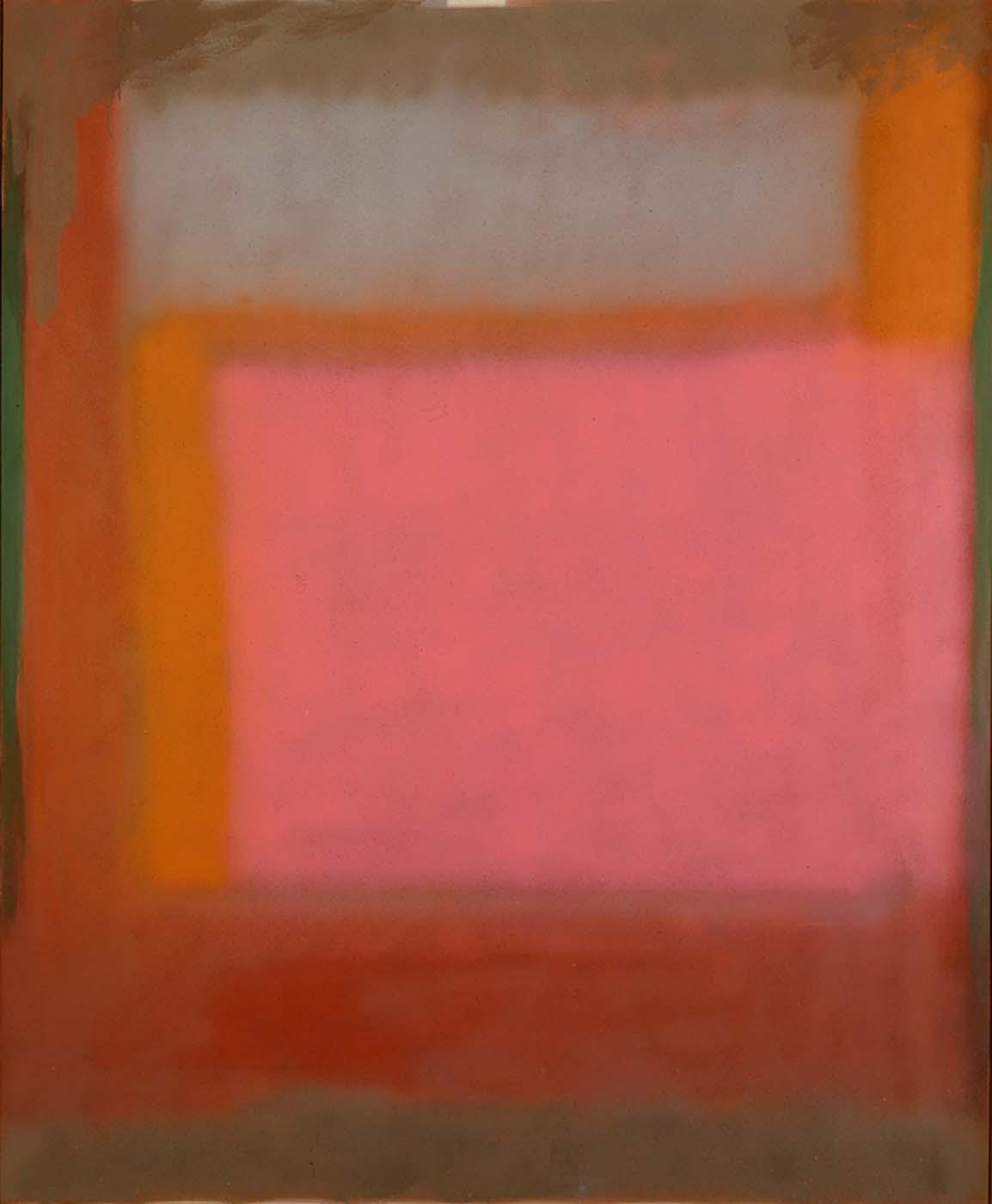


Эстебан Висенте (1903–2001) занимает особое место в истории современного искусства, особенно в влиятельном Нью-Йоркском Школе. Родился он в Турегано, Испания, и начал свой художественный путь среди растущей европейской авангарда, чтобы впоследствии закрепить свое положение как один из его наиболее отличительных голосов – художник, который безупречно объединил иберийские традиции с радикальным экспериментом абстрактного экспрессионизма.
1 музеев, в которых находится больше всего картин со страницы.
| Музей | Город | Работы Esteban Vicente | Картины из этого списка |
|---|---|---|---|
 Parrish Art Museum |
Уотер-Милл | 1 | Countryside - Эстебан Висенте |
Долгий творческий путь в 30 лет, с 1970 по 1999: самые известные оригинальные работы Esteban Vicente, представленные по годам.
Выберите год, чтобы увидеть оригиналы.
Эстебан Висенте (1903–2001) занимает особое место в истории современного искусства, особенно в влиятельном Нью-Йоркском Школе. Родился он в Турегано, Испания, и начал свой художественный путь среди растущей европейской авангарда, чтобы впоследствии закрепить свое положение как один из его наиболее отличительных голосов – художник, который безупречно объединил иберийские традиции с радикальным экспериментом абстрактного экспрессионизма.
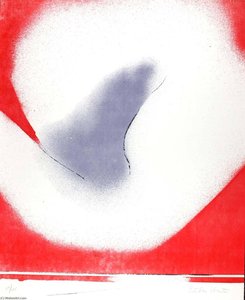
Calma. Далее следуют Untitled, from the portfolio Peace Portfolio I (1970) и Untitled (1971).
В нашем каталоге представлено 9 работ Esteban Vicente, созданных в период с 1970 по 1999.
В основном в Parrish Art Museum (Уотер-Милл). В таблице выше перечислены все музеи.
На этой странице самая ранняя работа датирована Untitled, from the portfolio Peace Portfolio I (1970), а самая поздняя — Countryside - Эстебан Висенте (1999).
Esteban Vicente stands as a profound bridge between the classical traditions of Europe and the radical, transformative energy of the New York School. Born in 1903 in the quiet Spanish town of Turégano, his early life was shaped by a deep connection to the cultural richness of Spain. Under the guidance of his father, an amateur painter, Vicente’s formative years were spent wandering the halls of the Museo del Prado, where the masters of the past instilled in him a foundational respect for light, form, and composition. This classical training at the Real Academia de Bellas Artes de San Fernando provided the structural discipline that would later allow him to navigate the boundless realms of abstraction with unparalleled grace.
As the shadows of the Spanish Civil War loomed over his homeland, Vicente’s journey took a decisive turn toward New York City in 1936. This migration was more than a mere change of geography; it was an immersion into the epicenter of a burgeoning modernism. In the vibrant artist colonies of Manhattan, he found himself amidst a circle of luminaries including Jackson Pollock, Willem de Kooning, and Mark Rothko. Yet, while many of his contemporaries embraced the raw, spontaneous ferocity of Action Painting, Vicente carved out a distinctively meditative path. His work became a reflective counterpoint to the era's more aggressive gestures, focusing instead on a lyrical abstraction that sought to capture the intangible relationships within the natural world.
The true essence of Vicente’s mastery lies in his ability to manipulate color as if it were a living, breathing entity. Unlike the automatic, impulsive creation favored by some of his peers, Vicente approached his canvases with a painstaking, layered precision. He explored the delicate interplay between tonal harmonies and geometric forms, creating works that felt both expansive and deeply intimate. His technique often involved the careful layering of paint and even the inventive use of cut-and-torn paper in collages, resulting in textures that invite the viewer into a state of quiet contemplation.
His aesthetic evolution can be viewed through several key artistic pillars:
In his later years, particularly after establishing a refuge in Bridgehampton, Long Island, his work continued to refine this dialogue between the physical and the ethereal. Whether through oil on canvas or intricate paper works, Vicente’s art remained a testament to the power of chromatic resonance—the idea that color alone can communicate the complexities of human experience.
The historical significance of Esteban Vicente extends far beyond his individual canvases. He represents the successful synthesis of two worlds: the academic rigor of the Spanish tradition and the experimental freedom of American Post-War art. His career, spanning eight decades and two continents, serves as a vital link in the evolution of modernism, proving that abstraction could be both intellectually rigorous and deeply poetic.
Today, his legacy is preserved in some of the world's most prestigious institutions, ensuring that his quiet revolution of color continues to inspire. His works are held in permanent collections at:
Through his ability to find the universal in the abstract, Esteban Vicente remains a pivotal figure whose art does not merely demand to be seen, but invites the soul to linger within its luminous depths.