Портрет David Park

11 самых известных картин David Park: подборка галереи

Обновлено Октябрь 2026 · рейтинг на основе нашего показателя популярности (количество поисковых запросов, посещений и заказов для каждой работы) · 13 работ David Park в нашем каталоге

Вкратце

Из всех оригинальных работ, оставленных David Park, самой известной является Allegory of Music: Solemnity (1936) из коллекции Музеи изящных искусств Сан-Франциско, Сан-Франциско. Сразу за ними следуют The Jazz Musicians (1954) и Sunbather (1953). В нашем каталоге представлено 13 работ David Park; галерея сохранила 11 самых почитаемых в мире произведений, каждое из которых сопровождается датой создания, информацией о музее и своей историей.

1911 – 1960, Boston Bay area figurative Больше всего работ: Музеи изящных искусств Сан-Франциско

10 лучших картин David Park: выбор галереи

1
Allegory of Music: Solemnity (1936) работы David Park

Allegory of Music: Solemnity

1936 · Photography · Музеи изящных искусств Сан-Франциско, Сан-Франциско

In "Allegory of Music: Solemnity" by David Park, the focus rests entirely upon a single piece of millinery. This white fabric cap, or bonnet, sits centered in the frame, anchored by a simple wooden stand. The object is captured from a slightly elevated side view, revealing the architecture of its construction. Radial pleating and gathered folds create a rhythmic texture across the textile, suggesting a quiet, frozen movement. The cream-colored…

2
The Jazz Musicians (1954) работы David Park

The Jazz Musicians

1954 · Oil On Canvas · Cantor Arts Center at Stanford University, Стэнфорд

The air in the room feels thick with the heat of a live performance. On stage, the musicians are caught in a moment of pure, rhythmic motion. A trombone player takes center stage, his body leaning into the instrument as he pushes a swell of notes into the room. Nearby, a trumpet player adds his own sharp, brassy voice to the melody, while a drummer maintains the heartbeat of the…

Подборка David Park продолжается, с 11 по 11

Сюжеты, которые вдохновляли David Park

Четыре темы, которые чаще всего встречаются в этих оригиналах, каждая из которых представлена своим лучшим образцом.

Музеи, в которых хранятся оригиналы работ David Park

3 музеев, в которых находится большинство картин со страницы.

Музей Город Работы David Park Картины из этого списка
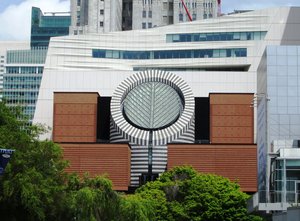
Музеи изящных искусств Сан-Франциско, Сан-ФранцискоМузеи изящных искусств Сан-Франциско Сан-Франциско 2 Allegory of Music: Solemnity, Allegory of Music: The Muses
Cantor Arts Center at Stanford University, СтэнфордCantor Arts Center at Stanford University Стэнфорд 1 The Jazz Musicians
Музей современного искусства Сан-Франциско, Сан-ФранцискоМузей современного искусства Сан-Франциско Сан-Франциско 1 Two Bathers

David Park по годам: оригинальные работы, определяющие каждый период

От 1936 до 1959 David Park творил на протяжении 24 лет: в этой подборке представлены лучшие оригинальные работы, отобранные по годам за этот долгий творческий путь.

Работы по годам

Выберите год, чтобы увидеть оригиналы.

Вопросы коллекционеров о картинах David Park

Какая работа David Park наиболее известна?Узнать ответ

Allegory of Music: Solemnity (1936), Музеи изящных искусств Сан-Франциско, Сан-Франциско. Далее следуют The Jazz Musicians (1954) и Sunbather (1953).

Сколько лет было David Park, когда была создана работа Allegory of Music: Solemnity?Узнать ответ

25 лет: Allegory of Music: Solemnity датируется 1936 годом, а David Park родился в 1911.

Какие десять самых известных картин написал David Park?Узнать ответ

Allegory of Music: Solemnity, The Jazz Musicians, Sunbather, Woman with Red Mouth, Two Bathers, Allegory of Music: The Muses, Two Flutists in Yellow, Two Violinists, Beach Profile и Head. В рейтинге выше указаны год создания и музей для каждой работы.

Сколько картин оставил(а) David Park?Узнать ответ

В нашем каталоге представлено 13 работ David Park, созданных в период с 1936 по 1959.

В каких музеях представлены шедевры David Park?Узнать ответ

В основном в Музеи изящных искусств Сан-Франциско (Сан-Франциско), Cantor Arts Center at Stanford University (Стэнфорд) и Музей современного искусства Сан-Франциско (Сан-Франциско). В таблице выше перечислены все музеи.

В какие годы David Park написал свои самые известные работы?Узнать ответ

В 1936: 2 из 11 работ на этой странице были созданы в этот период, Allegory of Music: Solemnity из них.

Каковы первые и последние известные оригинальные работы David Park?Узнать ответ

На этой странице самая ранняя работа датирована Allegory of Music: Solemnity (1936), а самая поздняя — Head (1959).

Какую технику чаще всего использовал(а) David Park?Узнать ответ

Oil On Canvas, для 2 из 11 работ на этой странице.

К какому художественному направлению относится David Park?Узнать ответ

Bay area figurative, судя по оригиналам на этой странице.

Какие работы David Park представлены в Музеи изящных искусств Сан-Франциско?Узнать ответ

Allegory of Music: Solemnity и Allegory of Music: The Muses: в коллекции Музеи изящных искусств Сан-Франциско, Сан-Франциско находится 2 работ со страницы.

David Park: жизнь и творчество

The Genesis of a Visionary


Born in the historic atmosphere of Boston in 1911, David Park’s artistic journey was anchored by a profound respect for the structural essence of life. His early years at Boston University, studying under the legendary George Bridgman, instilled in him an unparalleled understanding of anatomy and the rhythmic power of gesture. This foundational discipline provided the skeletal strength upon which he would later drape his most vibrant explorations of color. As he moved westward to the Otis Art Institute in Los Angeles, Park began to absorb the expansive light and energy of the American West, setting the stage for a transformation that would eventually challenge the very foundations of contemporary painting.

The Great Stylistic Revolution


For much of his early career, Park navigated the complex territories of abstraction, yet the year 1949 marked a seismic turning point in both his practice and his soul. In a move that stunned the San Francisco art community, he staged a dramatic departure from pure abstraction, choosing instead to reclaim the human figure as a central protagonist in his work. This was not a mere return to tradition, but the birth of the Bay Area Figurative Movement—a bold, modern reclamation of subject matter. Alongside luminaries such as Elmer Bischoff and Richard Diebenkorn, Park sought to bridge the gap between the visceral energy of abstract expressionism and the recognizable world. His new direction was defined by a unique synthesis of elements:
  • Expressive brushwork that captured the immediate pulse of life;
  • Flattened planes of color that emphasized the tactile reality of the canvas;
  • A humanist focus on the beauty found within everyday, unadorned moments.


The Soul in the Subject


Park’s mature work is a celebration of the palpable and the profound, often finding extraordinary depth in the most intimate of settings. His canvases breathe with the vitality of The Jazz Musicians and the quiet, sun-drenched vulnerability of his many nude studies. Through a masterful use of bold palettes and textured forms, he transformed scenes of daily life—a woman bathing or a simple landscape—into evocative meditations on the human condition. There is an unmistakable immediacy in his technique; his gestural strokes do not merely depict a subject but seem to enact it, inviting the viewer to feel the warmth of the light and the weight of the atmosphere. In doing so, Park achieved something rare: he captured the psychological resonance of a moment, ensuring that his legacy would remain as vibrant and enduring as the colors he so passionately applied to his canvas.