Вкратце
Dawn (1900) — это самая популярная картина Cuthbert Cartwright Grundy; оригинал находится в Grundy Art Gallery, Блэкпул. Затем взгляд переходит на The Old Millhouse, Milnthorpe (1900) и The End of the Village. Из 15 работ Cuthbert Cartwright Grundy в нашем каталоге эти 15 являются самыми известными: каждая из них — уникальный оригинал с указанием года создания, музея и причины ее бессмертия.
Топ-10 картин Cuthbert Cartwright Grundy глазами галереи
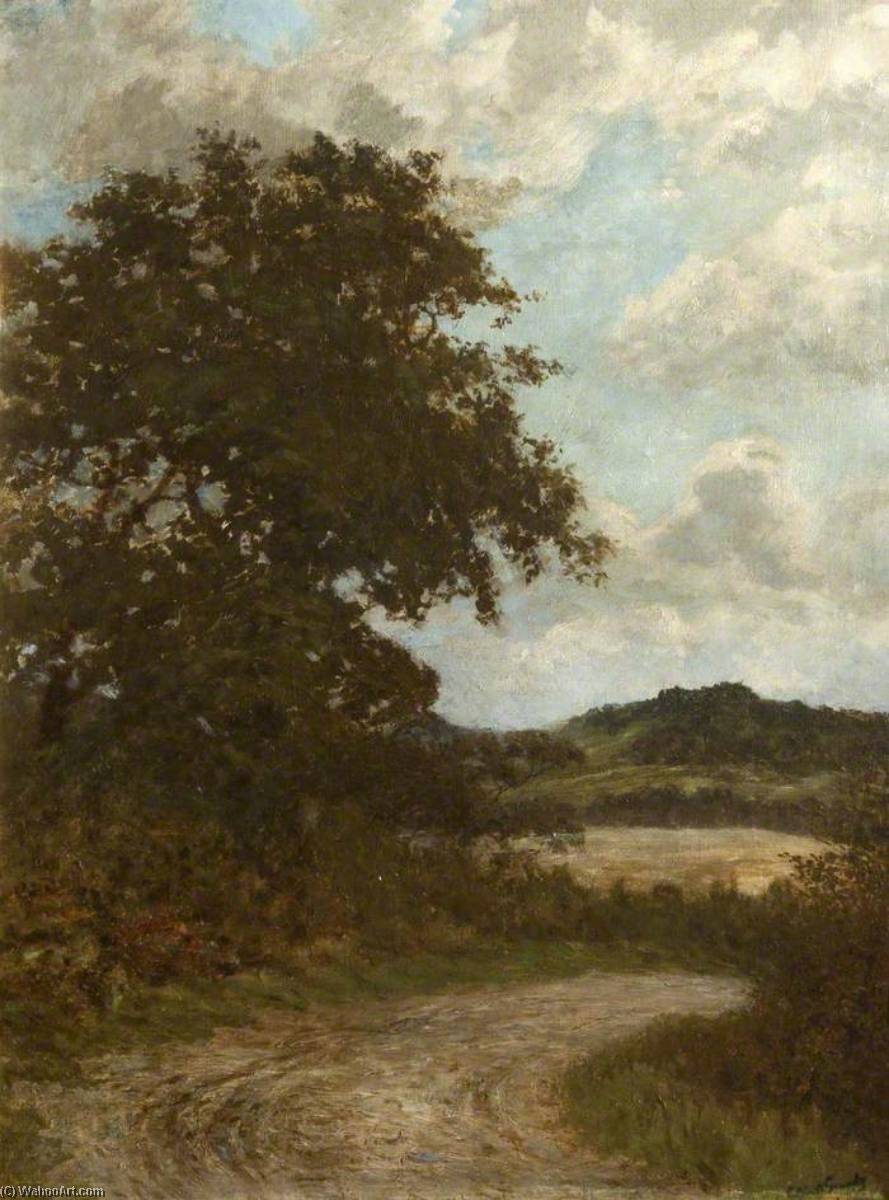
Autumn
The painting Autumn by Cuthbert Cartwright Grundy is a stunning representation of the fall season, showcasing the artist's skill in capturing the essence of nature. Created in 1919, this oil on canvas piece measures 111 x 86 cm and is currently housed at the Harris Museum - Art Gallery in Preston, United Kingdom. A Closer Look at the Painting The scene features two trees, one on the left side and…
Знаменитые картины Cuthbert Cartwright Grundy, с 11 по 15
Сюжеты, которые вдохновляли Cuthbert Cartwright Grundy
Четыре темы, которые чаще всего встречаются в этих оригиналах, каждая из которых представлена своим лучшим образцом.
Landscape 2 работ
Hills 2 работ
Tranquility 2 работ
Atmospheric 2 работ
Музеи, в которых хранятся оригиналы работ Cuthbert Cartwright Grundy
5 музеев, в которых находится большинство картин со страницы.
| Музей | Город | Работы Cuthbert Cartwright Grundy | Картины из этого списка |
|---|---|---|---|
| Блэкпул | 4 | Dawn, The Old Millhouse, Milnthorpe, View from My Window | |
| Ньюкасл-апон-Тайн | 1 | Plas Mawr, Conwy | |
| Престон | 1 | Autumn | |
| Рочдейл | 1 | Fresh and Breezy | |
| Бристоль | 1 | A Study, A Grassy Bank, with Trees |
Cuthbert Cartwright Grundy сквозь десятилетия: по одному уникальному оригиналу на каждое десятилетие
Картины Cuthbert Cartwright Grundy: вопросы к галерее
Какая работа Cuthbert Cartwright Grundy является самой известной?Узнать ответ
Dawn (1900), Grundy Art Gallery, Блэкпул. Далее следуют The Old Millhouse, Milnthorpe (1900) и The End of the Village.
В каком возрасте Cuthbert Cartwright Grundy создал(а) Dawn?Узнать ответ
54 лет: Dawn датируется 1900 годом, а Cuthbert Cartwright Grundy родился в 1846.
Какие десять картин Cuthbert Cartwright Grundy являются самыми известными?Узнать ответ
Dawn, The Old Millhouse, Milnthorpe, The End of the Village, Plas Mawr, Conwy, View from My Window, Autumn, Landscape, Coming Rain, Undisturbed и Elterwater. В рейтинге выше указаны год создания и музей для каждой работы.
Сколько известно работ Cuthbert Cartwright Grundy?Узнать ответ
В нашем каталоге представлено 15 работ Cuthbert Cartwright Grundy, созданных в период с 1900 по 1937.
Где можно увидеть подлинники, созданные Cuthbert Cartwright Grundy?Узнать ответ
В основном в Grundy Art Gallery (Блэкпул), Laing Art Gallery (Ньюкасл-апон-Тайн) и Harris Museum - Art Gallery (Престон). В таблице выше перечислены все музеи.
В какой период Cuthbert Cartwright Grundy создал свои самые известные картины?Узнать ответ
В 1900s: 2 из 15 работ на этой странице были созданы в этот период, Dawn из них.
Какая из знаменитых картин Cuthbert Cartwright Grundy была написана раньше, а какая — позже?Узнать ответ
На этой странице самая ранняя работа датирована Dawn (1900), а самая поздняя — View from My Window (1937).
Какие сюжеты предпочитал Cuthbert Cartwright Grundy?Узнать ответ
Landscape (2), Hills (2) и Tranquility (2) в 15 работах на этой странице.
Какие оригинальные работы Cuthbert Cartwright Grundy можно увидеть в Grundy Art Gallery?Узнать ответ
Dawn, The Old Millhouse, Milnthorpe и View from My Window: в коллекции Grundy Art Gallery, Блэкпул находится 4 работ со страницы.
Cuthbert Cartwright Grundy: портрет художника
Cuthbert Cartwright Grundy: A Vision of Northumberland
Cuthbert Cartwright Grundy (1846 – 1946) remains a relatively obscure figure in the annals of British watercolor painting, yet his landscapes hold a quiet beauty and profound connection to the rugged terrain of Northumberland. Born into a family steeped in artistic tradition—his father was a noted sculptor—Grundy’s early life fostered an appreciation for visual art that would shape his lifelong dedication to capturing the spirit of Northern England. While biographical details remain sparse, archival records indicate he pursued formal training at Slade School of Art in London, honing his skills under influential instructors and absorbing the stylistic currents of Impressionism and Neo-Romanticism prevalent during his formative years.- Early Influences: Grundy’s artistic sensibilities were undeniably shaped by the Romantic movement's fascination with sublime landscapes and emotional expression. Artists like Turner and Constable served as beacons, demonstrating how watercolor could convey grandeur and evoke powerful feelings.
- Northumberland Obsession: From around 1890 onwards, Grundy established his studio in Kirkcudbrightshire, Scotland, but Northumberland became the focal point of his artistic endeavors. He tirelessly documented the dramatic coastline, rolling hills, and picturesque villages of Northumberland with meticulous detail and sensitivity.
A Distinctive Watercolor Style
Grundy’s technique distinguished him from many of his contemporaries. Unlike looser Impressionists who prioritized fleeting effects of light, Grundy favored a deliberate layering process—often applying multiple washes to build up tonal depth and texture. He meticulously observed the nuances of color and atmosphere, striving for accuracy while simultaneously imbuing his paintings with an emotional resonance. His palette leaned towards muted greens, blues, and browns, reflecting the subdued hues of Northumberland’s landscape. Notably, Grundy employed a technique known as ‘grisaille,’ applying thin washes of gray to establish tonal values before adding color—a method that allowed him to achieve remarkable realism and compositional control.- Detailed Observation: Grundy's approach mirrored the scientific rigor championed by Victorian naturalists; he meticulously documented geological formations, plant life, and animal behavior.
- Emotional Resonance: Despite his technical precision, Grundy’s paintings are imbued with a palpable sense of tranquility and contemplation. He sought to convey not merely what he saw but how he felt—a testament to the power of art as a vehicle for emotional expression.