Портрет Барнетт Ньюман

62 самых известных картин Барнетт Ньюман, каждая из которых уникальна

Обновлено Ноябрь 2026 · рейтинг на основе нашего показателя популярности (количество поисковых запросов, посещений и заказов для каждой работы) · 69 работ Барнетт Ньюман в нашем каталоге

Вкратце

Черное Пламя I (1963) — это картина Барнетт Ньюман, которая привлекает больше всего взглядов. Затем взгляд переходит на Vir Heroicus Sublimis (1950) и Prometheus Bound. Из 69 работ Барнетт Ньюман в нашем каталоге эти 62 являются самыми известными: каждая из них — уникальный оригинал с указанием года создания, музея и причины ее бессмертия.

1905 – 1970, Нью-Йорк Color field Больше всего работ: Национальная галерея искусств

Топ-10 картин Барнетт Ньюман глазами галереи

1
Черное Пламя I (1963) работы Барнетт Ньюман

Черное Пламя I

1963 · Масло на холсте

В 1963 году Барнетт Ньюман явил миру Черное Пламя I. Это полотно представляет собой монументальное присутствие, занимающее пространство размером 289 x 213 см. Оно заполняет комнату тяжелым, безмолвным весом, и такой масштаб требует физического отклика от каждого, кто оказывается перед ним. Эта работа стала вершиной живописи цветового поля, отсекая всё лишнее из видимого мира, чтобы обрести нечто более фундаментальное.

2
Vir Heroicus Sublimis (1950) работы Барнетт Ньюман

Vir Heroicus Sublimis

1950 · Oil On Canvas

The canvas of Vir Heroicus Sublimis looms large, a monumental presence that demands immediate attention. Created by the American painter Barnett Newman, this work carries a title that translates from Latin as "Man, Heroic and Sublime." It is a massive expanse, reaching nearly 8 feet in height and stretching 18 feet wide, a scale that envelops the viewer's field of vision. The sheer size of the painting transforms the space…

3
Prometheus Bound работы Барнетт Ньюман

Prometheus Bound

Oil On Canvas · Музей Фолькванг, Эссен

In the vast, quiet landscape of Abstract Expressionism, few works command the room with such profound, understated authority as Barnett Newman’s "Prometheus Bound." To encounter this painting is to step away from the clamor of the material world and enter a space of pure, meditative stillness. Eschewing the traditional impulse to depict recognizable figures or dramatic narratives, Newman invites the viewer into a realm of Color Field Painting, where the…

4
Onement I (1948) работы Барнетт Ньюман

Onement I

1948 · Oil On Canvas · Музей современного искусства (MoMA), Нью-Йорк

In the landscape of twentieth-century modernism, few works possess the quiet, seismic power of Barnett Newman’s Onement I. Completed in 1948, this masterpiece serves as a profound emblem of Abstract Expressionism and stands as a foundational cornerstone for the Color Field movement. To encounter this painting is to witness a pivotal moment in art history where the boundaries of representation were irrevocably dissolved, replaced by an exploration of pure perception.…

5
Be I (1970) работы Барнетт Ньюман

Be I

1970 · Acrylic On Canvas · Институт искусств Детройта, Детройт

The canvas holds a heavy, dark cadmium red. This color occupies the space like the earth itself, unmodulated and thick with presence. A single white stripe, known as a zip, cuts vertically through the center of the field. It is precise and thin. This line acts as a flash of lightning against the saturated background, an instantaneous moment that breaks the stillness of the red expanse.

6
Onement, III (1949) работы Барнетт Ньюман

Onement, III

1949 · Oil On Canvas

In the vast landscape of mid-20th-century abstraction, few works command the room with such singular, quiet intensity as Barnett Newman’s Onement, III. Created in 1949, this masterpiece stands as a seminal pillar of the Color Field painting movement, offering much more than a mere arrangement of pigment on canvas. It is an invitation to experience the sublime. The painting presents a breathtaking expanse of deep, dominant red, a field of…

7
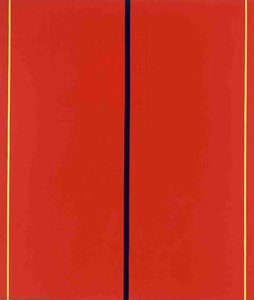
Be I (1970) работы Барнетт Ньюман

Be I

1970 · Acrylic On Canvas

To stand before Be I is to encounter a profound silence that speaks with startling intensity. Created in 1970, the final year of Barnett Newman’s life, this monumental work serves as a definitive statement of the Color Field movement. The painting does not rely on the traditional vocabulary of figures or landscapes; instead, it commands the viewer's attention through a singular, immersive expanse of deep red. This is not merely…

8
The Third (1964) работы Барнетт Ньюман

The Third

1964 · Oil On Canvas

The canvas breathes through a field of orange. It is a hue that does not merely sit upon the surface but seems to vibrate, a steady heat radiating from the center of the frame. This is the world of 1964, where color is stripped of its duty to represent objects and is instead allowed to exist as pure energy. Through the application of pigment, a flat, non-hierarchical space emerges, inviting…

9
Twelfth Station (1965) работы Барнетт Ньюман

Twelfth Station

1965 · Acrylic On Canvas · Национальная галерея искусств, Вашингтон

Barnett Newman created Twelfth Station in 1965. This acrylic on canvas exists as a single movement within a larger sequence. It belongs to the series titled The Stations of the Cross / Lema Sabachthani. The work emerged from a period of intense philosophical inquiry, seeking to find a visual language for the silent weight of existence.

10
Dionysius (1949) работы Барнетт Ньюман

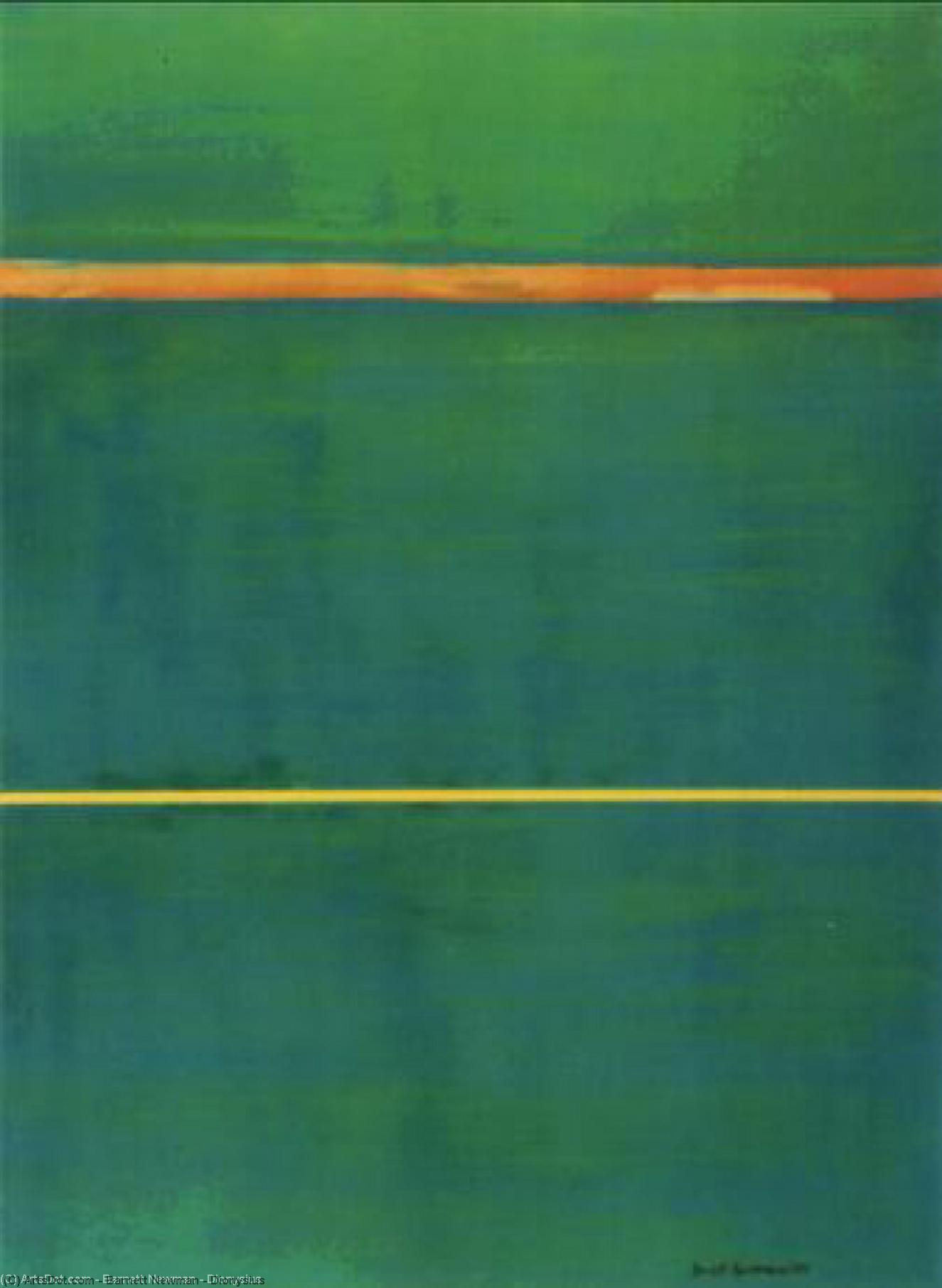
Dionysius

1949 · Oil On Canvas

Dionysius is a work by Barnett Newman. Created in 1949, this oil on canvas piece belongs to the Color Field style. The artist's approach here focuses on the expansive application of pigment to establish a specific spatial presence.

Знаменитые картины Барнетт Ньюман, с 11 по 62

113. Third Station (1960) работы Барнетт Ньюман3. Third Station1960 12Who’s Afraid of Red, Yellow and Blue II работы Барнетт НьюманWho’s Afraid of Red, Yellow and Blue II 13Title Page from 18 Cantos (1964) работы Барнетт НьюманTitle Page from 18 Cantos1964 14Broken Obelisk (1969) работы Барнетт НьюманBroken Obelisk1969 15Voice of Fire (1967) работы Барнетт НьюманVoice of Fire1967 16Untitled (1946) работы Барнетт НьюманUntitled1946 17The Song of Orpheus (1944) работы Барнетт НьюманThe Song of Orpheus1944 18Rothko by Newman работы Барнетт НьюманRothko by Newman 19Untitled (1945) работы Барнетт НьюманUntitled1945 20The Blessing (1944) работы Барнетт НьюманThe Blessing1944 21Two Edges (1948) работы Барнетт НьюманTwo Edges1948 22Untitled (1945) работы Барнетт НьюманUntitled1945 23The Wild (1950) работы Барнетт НьюманThe Wild1950 24Yellow Painting (1949) работы Барнетт НьюманYellow Painting1949 25The Name II (1950) работы Барнетт НьюманThe Name II1950 26Concord (1949) работы Барнетт НьюманConcord1949 27Covenant (1949) работы Барнетт НьюманCovenant1949 28Achilles (1952) работы Барнетт НьюманAchilles1952 29Uriel (1955) работы Барнетт НьюманUriel1955 30Fourth Station (1960) работы Барнетт НьюманFourth Station1960 · Национальная галерея искусств 31Second Station (1958) работы Барнетт НьюманSecond Station1958 · Национальная галерея искусств 32The Station of the Cross - First Station (1958) работы Барнетт НьюманThe Station of the Cross - First Station1958 · Национальная галерея искусств 33Tenth Station (1965) работы Барнетт НьюманTenth Station1965 · Национальная галерея искусств 34Fourteenth Station (1965) работы Барнетт НьюманFourteenth Station1965 · Национальная галерея искусств 35Eighth Station (1964) работы Барнетт НьюманEighth Station1964 · Национальная галерея искусств 36Sixth Station (1962) работы Барнетт НьюманSixth Station1962 · Национальная галерея искусств 37Be II (1964) работы Барнетт НьюманBe II1964 · Национальная галерея искусств 38Thirteenth Station (1966) работы Барнетт НьюманThirteenth Station1966 · Национальная галерея искусств 39Canto II (1964) работы Барнетт НьюманCanto II1964 40Canto XII (1964) работы Барнетт НьюманCanto XII1964 41Tenth Station (1965) работы Барнетт НьюманTenth Station1965 42Eleventh Station (1965) работы Барнетт НьюманEleventh Station1965 · Национальная галерея искусств 43Canto IX (1963) работы Барнетт НьюманCanto IX1963 44Seventh Station (1964) работы Барнетт НьюманSeventh Station1964 · Национальная галерея искусств 45Fifth Station (1962) работы Барнетт НьюманFifth Station1962 · Национальная галерея искусств 46Canto XI (1964) работы Барнетт НьюманCanto XI1964 47Canto X (1964) работы Барнетт НьюманCanto X1964 48Canto XVI (1964) работы Барнетт НьюманCanto XVI1964 49Canto XIV (1964) работы Барнетт НьюманCanto XIV1964 50The Station (1963) работы Барнетт НьюманThe Station1963 51Canto XV (1964) работы Барнетт НьюманCanto XV1964 52Untitled Etching #1 (1969) работы Барнетт НьюманUntitled Etching #11969 53Jericho (1969) работы Барнетт НьюманJericho1969 54Midnight Blue (1970) работы Барнетт НьюманMidnight Blue1970 · Музей Людвига 55Pagan Void (1946) работы Барнетт НьюманPagan Void1946 56Canto VII (1963) работы Барнетт НьюманCanto VII1963 57Onement I работы Барнетт НьюманOnement I 58Eve работы Барнетт НьюманEve 59Shimmer Bright (1968) работы Барнетт НьюманShimmer Bright1968 60Unfinished painting (1970) работы Барнетт НьюманUnfinished painting1970 61Ulysses (1952) работы Барнетт НьюманUlysses1952 62Black Fire I (1961) работы Барнетт НьюманBlack Fire I1961

Знаменитые картины Барнетт Ньюман по периодам творчества

Mid-Career

1944 – 1950 · 3 работ в этом списке

Сюжеты, которые вдохновляли Барнетт Ньюман

Четыре темы, которые чаще всего встречаются в этих оригиналах, каждая из которых представлена своим лучшим образцом.

Музеи, в которых хранятся оригиналы работ Барнетт Ньюман

5 музеев, в которых находится большинство картин со страницы.

Музей Город Работы Барнетт Ньюман Картины из этого списка
Национальная галерея искусств, ВашингтонНациональная галерея искусств Вашингтон 13 Twelfth Station, Fourth Station, Second Station
Музей Фолькванг, ЭссенМузей Фолькванг Эссен 1 Prometheus Bound
Музей современного искусства (MoMA), Нью-ЙоркМузей современного искусства (MoMA) Нью-Йорк 1 Onement I
Институт искусств Детройта, ДетройтИнститут искусств Детройта Детройт 1 Be I
Музей Людвига, КёльнМузей Людвига Кёльн 1 Midnight Blue

Барнетт Ньюман сквозь десятилетия: по одному уникальному оригиналу на каждое десятилетие

Произведения по десятилетиям

Выберите десятилетие, чтобы увидеть шедевр, определяющий его.

Картины Барнетт Ньюман: вопросы к галерее

Какая работа Барнетт Ньюман является самой известной?Узнать ответ

Черное Пламя I (1963). Далее следуют Vir Heroicus Sublimis (1950) и Prometheus Bound.

В каком возрасте Барнетт Ньюман создал(а) Черное Пламя I?Узнать ответ

58 лет: Черное Пламя I датируется 1963 годом, а Барнетт Ньюман родился в 1905.

Какие десять картин Барнетт Ньюман являются самыми известными?Узнать ответ

Черное Пламя I, Vir Heroicus Sublimis, Prometheus Bound, Onement I, Be I, Onement, III, Be I, The Third, Twelfth Station и Dionysius. В рейтинге выше указаны год создания и музей для каждой работы.

Сколько известно работ Барнетт Ньюман?Узнать ответ

В нашем каталоге представлено 69 работ Барнетт Ньюман, созданных в период с 1944 по 1970.

Где можно увидеть подлинники, созданные Барнетт Ньюман?Узнать ответ

В основном в Национальная галерея искусств (Вашингтон), Музей Фолькванг (Эссен) и Музей современного искусства (MoMA) (Нью-Йорк). В таблице выше перечислены все музеи.

В какой период Барнетт Ньюман создал свои самые известные картины?Узнать ответ

В 1960s: 32 из 62 работ на этой странице были созданы в этот период, Черное Пламя I из них.

Какая из знаменитых картин Барнетт Ньюман была написана раньше, а какая — позже?Узнать ответ

На этой странице самая ранняя работа датирована The Song of Orpheus (1944), а самая поздняя — Be I (1970).

Какие сюжеты предпочитал Барнетт Ньюман?Узнать ответ

Vertical lines (5), Geometric (4) и Spirituality (2) в 62 работах на этой странице.

Какими материалами чаще всего пользовался Барнетт Ньюман?Узнать ответ

Oil On Canvas, для 8 из 62 работ на этой странице.

К какому направлению относится творчество Барнетт Ньюман?Узнать ответ

Color field и Abstract expressionism, судя по оригиналам на этой странице.

Какие оригинальные работы Барнетт Ньюман можно увидеть в Национальная галерея искусств?Узнать ответ

Twelfth Station, Fourth Station и Second Station: в коллекции Национальная галерея искусств, Вашингтон находится 13 работ со страницы.

Барнетт Ньюман: портрет художника

Barnett Newman: A Pioneer of Abstract Expressionism

Barnett Newman (1905–1970) stands as one of the most influential figures in American art history, a visionary who irrevocably altered the trajectory of abstract painting and profoundly impacted subsequent generations of artists. Born in New York City to Jewish immigrant parents from Poland, his artistic journey began humbly—studying philosophy at City College—but swiftly ascended to monumental heights fueled by an unwavering conviction that art could transcend mere representation and grapple with the deepest questions of human experience. This belief drove him to dismantle much of his earlier work, a deliberate act symbolizing his resolute commitment to forging a radically new visual language.

Early Life and Artistic Influences

Newman’s formative years were marked by exposure to European artistic currents—particularly Cubism spearheaded by Picasso and the vibrant color palettes championed by Matisse—which instilled in him an appreciation for formal experimentation. However, he recognized that these established styles lacked the capacity to convey the anxieties and spiritual yearning of the postwar era. Rejecting conventional aesthetics, he embarked on a path of self-imposed creative destruction, discarding canvases brimming with detail and striving instead for austere simplicity. This pivotal decision cleared the way for his signature style—a breathtakingly reductive approach that prioritized emotional resonance over visual realism. He was deeply affected by the horrors of World War II and the looming threat of nuclear annihilation, perceiving a moral crisis within Western culture and believing that art could serve as a counterpoint to prevailing ideologies.

The Birth of “Zip Paintings” and Color Field Aesthetics

Newman’s breakthrough arrived with his pioneering exploration of what he termed "zips"—vertical bands of color bisecting expansive fields of monochrome hues. These weren't merely lines; they were dynamic forces, asserting presence within the vast emptiness of the canvas—a deliberate antithesis to traditional painting techniques. His debut solo exhibition at Betty Parsons Gallery in 1943 garnered mixed reactions initially, yet it cemented his reputation as a revolutionary artist who dared to challenge artistic conventions. Works like *Onement VI* (1950-51)—featuring a single red zip dividing the canvas into fields of orange and red—became emblematic of his distinctive aesthetic. The painting’s monumental scale and uncompromising composition—a testament to Newman's belief in confronting existential dilemmas—immediately captivated critics and fellow artists alike.

Major Achievements and Legacy

Newman’s artistic vision extended beyond mere visual experimentation; he was a prolific writer, essayist, and intellectual who passionately defended his radical aesthetic principles. He championed the notion that art could communicate profound moral values by rejecting dogma and embracing freedom—a stance that resonated deeply with artists grappling with similar concerns during the Cold War era. His monumental canvases, such as *Vir Heroicus Sublimis* (1958-60)—characterized by multiple zips creating a sense of spatial depth and evoking feelings of awe—became symbols of American artistic ambition and spiritual contemplation. Newman’s influence on subsequent generations of artists is undeniable; his minimalist approach paved the way for Minimalism, while his exploration of color and form continues to inspire painters today. His legacy resides not only in his groundbreaking artworks but also in his unwavering conviction that art could serve as a vehicle for confronting existential questions—a belief that solidified his place as one of the most enduring figures in 20th-century art history. Newman’s work remains an object of intense scholarly debate and artistic admiration, prompting ongoing discussions about its significance within the broader context of modern art. His uncompromising vision continues to challenge viewers to contemplate the sublime—that elusive experience of overwhelming grandeur and transcendence—and to grapple with fundamental questions about human existence.