Ранние годы, семья и художественное становление
Александр Кабанель родился 28 сентября 1823 года в Монпелье, Франция. Он рос в скромной семье, будучи сыном плотника. В то время как повседневная жизнь его близких была неразрывно связана с физическим трудом и ремеслом, юный мальчик обладал врожденной склонностью к рисованию. Уже к десяти годам его талант стал настолько очевидным, что он начал получать формальное художественное образование в местной школе искусств в Монпелье. Под руководством Шарля Мате в Монпелье он впервые постигал искусство превращения простого наблюдения в совершенную художественную форму.
Его ранние успехи со временем привели его вдали от южного побережья Франции, к самому сердцу французского мира искусства. В 1839 году благодаря стипендии он смог переехать в Париж, чтобы продолжить свое обучение. В тот же год он поступил в Эколю де Боз-Ар, в октябре присоединившись к мастерской Франсуа-Эдуарда Пико. Это обучение было суровым и строилось на строгих классических принципах, которые впоследствии определят всю его творческую карьеру. Под наставничеством Пико он обрел ту дисциплину, которая необходима для виртуозного владения человеческой фигурой и работы с историческими сюжетами, столь высоко ценимыми академической школой.
Премия Римской академии и годы в Риме
Путь к истинному триумфу открылся перед Александром Кабанелем в 1845 году. В возрасте двадцати двух лет он был удостоен престижной стипендии — премии Римской академии, награды, которой суждено было навсегда изменить траекторию его жизни. Это достижение позволило ему сменить строгие, дисциплинированные классы Парижа на живой воздух и величественную древнюю историю Италии. До 1850 года он жил в вилле Медичи, и этот период стал для него временем глубокого погружения в ту самую классическую идеальную эстетику, которую он стремился воссоздать на своих полотнах.
Жизнь в Риме наполнила его творчество поиском между глубокой религиозной преданностью и грандиозными историческими повествованиями. В 1849 году он создал образ Святого Иоанна Крестителя — работу, в которой чувствовался весь масштаб и серьезность его академического обучения. К 1850 году он завершил Смерть Моисея. Эта картина оказалась настолько значимой, что была представлена на Салоне 1852 года, ознаменовав триумфальное возвращение художника на французскую арт-сцену как мастера, чье имя заставило говорить о себе всерьез.
Меценаты и великие заказы
Успех в парижском мире искусства зачастую зависел от поддержки влиятельных фигур, и для Александра Кабанеля эта поддержка исходила как от частных коллекционеров, так и от высших эшелонов власти. Альфред Брюас, земляк художника из Монпелье, стал его главным покровителем в период становления творческого пути мастера. Интерес Брюаса к работам Александра Кабанеля привел к созданию нескольких значимых полотен, среди которых Альбайде, La Chiaruccia и A Thinker, Young Roman Monk. Эти произведения позволили художнику погрузиться в исследование более таинственных и трагических тем, которые впоследствии станут визитной карточкой его уникального стиля.
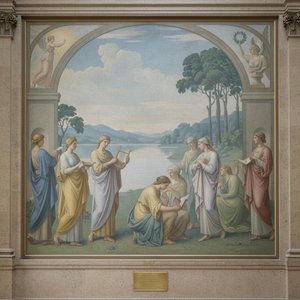
По мере того как слава Александра Кабанеля росла, его творческое влияние распространялось на самые величественные пространства французской общественной и частной жизни. Он стал излюбленным живописцем Наполеона III, и эта связь окончательно закрепила его высокий статус в эпоху Второй империи. Выходя за рамки камерного портретного жанра, он часто привлекался к масштабным декоративным проектам. Так, архитектор Жан-Батист Цицерон Лесье поручил ему украсить двенадцать пандективов в Зале Кариатид. Эта работа стала частью его обширной деятельности в области интерьерного декора, в рамках которой он участвовал в оформлении значимых проектов для отелей Перейр и Сай.
Ключевые шедевры и триумф мастера
1863 год стал поворотным моментом в творческом пути художника, когда миру была представлена картина «Рождение Венеры». Это воплощение богини, являющейся из морских глубин, произвело настоящий фурор в художественных кругах. И хотя чувственность полотна вызвала немало споров, его триумфальное влияние было неоспоримым. Картина была настолько высоко оценена, что Наполеон III приобрел её в свою личную коллекцию — этот жест окончательно закрепил за Александром Кабанелем статус одного из самых востребованных живописцев эпохи Второй империи.
С развитием карьеры Александр Кабанель продолжал обращаться к великим традициям классической литературы. В 1880 году на Салоне он представил «Федру» — монументальное полотно, посвященное одному из самых глубоких литературных сюжетов античности. Со временем это произведение обрело свой дом в Музее Фабра в его родном Монпелье. Способность мастера работать с масштабными, величественными темами проявилась и в его декоративных проектах, таких как «Триумф Флоры», шедевр которой сегодня хранится в Лувре.
- «Рождение Венеры»
- «Федра»
- «Триумф Флоры»
Техника и академический стиль
Рука Александра Кабанеля была ведома строгой дисциплиной академического реализма. Он не стремился запечатлеть хаотичные, мимолетные впечатления момента, но, напротив, стремился достичь ощущения вечности через безупречную точность рисунка и тщательную проработку деталей. Его мазок был гладким, почти невидимым, создавая тончайшие переходы тона, которые придавали его фигурам мягкую, отполированную завершенность. Этот технический контроль наиболее ярко проявлялся в его работе с человеческой формой; он обладал исключительным талантом передавать оттенки кожи с таким реализмом, что его персонажи казались наделенными подлинным теплом и жизненной силой.
Композиции мастера строились на классических идеалах гармонии, баланса и пропорции. В поисках сюжетов он обращался к прошлому, часто опираясь на исторические, мифологические или религиозные повествования, которые служили фундаментом для его полотен. В этих работах он стремился идеализировать свои объекты, облагораживая их черты в соответствии со стандартами классической красоты, а не просто копируя мир в его первозданном виде. Это стремление к идеализированной реальности позволяло ему создавать образы, которые одновременно казались глубоко укорененными в анатомии человека и возвышенными благодаря ощущению грации.
- Рождение Венеры, 1863
- Офелия, 1883
- Портрет графини Е. А. Воронцовой-Дашковой
Окружение, соперники и ученики
Александр Кабанель занимал центральное, а зачастую и оборонительное положение в структуре французского художественного истеблишмента. Он был решительным противником импрессионистов, считая их подход идущим вразрез с традициями, которые он посвятил защите на протяжении всей своей жизни. Это противостояние стало достоянием общественности во время Салона 1863 года, когда он и Уильям-Адольф Бугеро отказались допустить Эдуара Мане к выставке. Это решение послужило катализатором для создания «Салона отверженных», ознаменовав глубокий раскол в парижской художественной среде между «старой гвардией» и новыми течениями.
Несмотря на то, что Александр Кабанель твердо стоял на защите уходящих эпох, он также был глубоко вовлечен в формирование будущего следующего поколения мастеров. В 1864 году он был назначен профессором в Эколе де Боз-Ар — этот пост он занимал вплоть до своей смерти в 1889 году. Он был преданным наставником, который формировал не только технику, но и мировоззрение многих художников. Его влияние было поистине всеобъемлющим: число его учеников на Салонах исчислялось сотнями, и именно они несли его безупречную техническую точность в искусство последующих десятилетий.
Последние годы и уход
К середине своего творческого пути Александр Кабанель достиг вершин французского художественного истеблишмента. В 1863 году он был избран членом Академии изящных искусств, заняв десятое место. Его общественный статус неуклонно рос, и в 1864 году он был удостоен звания офицера Ордена Почетного легиона. Эти почести стали отражением его колоссального влияния в официальных структурах того времени. Он принимал активное участие в формировании облика эпохи, являясь членом жюри Парижского Салона семнадцать раз в период с 1868 по 1888 год.
Несмотря на то как стремительно менялся окружающий его мир искусства, Александр Кабанель оставался незыблемой фигурой на парижской сцене. Он продолжал писать и преподавать, оставаясь верным тем классическим традициям, которые постиг еще в годы юности. Его жизненный путь завершился в Париже 23 января 1889 года. И хотя последние годы он провел в столице, его сердце всегда принадлежало югу; он был похоронен в Сен-Лазаре, в родном Монпелье.
Где можно увидеть его работы сегодня
Путешествие к истокам наследия Александра Кабанеля часто начинается в Монпелье, Франция. Именно здесь, в музее Фабр, сосредоточено самое большое количество его творений — двенадцать полотен бережно хранятся в его родном регионе. Среди них можно встретить ранние поиски мастера в области игры света и тени, такие как написанная в 1848 году картина Размышляющий юный римский монах и работа 1847 года Падший ангел. Эти произведения позволяют воочию увидеть ту техническую точность, которая стала определяющей чертой его раннего творчества.
В Париже присутствие художника ощущается через несколько значимых коллекций. В Музее Орсе хранятся шесть его картин, включая знаменитое изображение Рождения Венеры 1863 года. Совсем рядом, в Лувре, находятся две работы, среди которых — не датированный Триумф Флоры. Эти парижские коллекции позволяют зрителю проследить эволюцию его стиля по мере того, как он восходил на вершины системы Салона.
Влияние Александра Кабанеля простирается далеко за пределы Франции, достигая крупнейших институций Соединенных Штатов. Метрополитен-музей в Нью-Йорке владеет четырьмя его работами, включая написанную в 1874 году картину Нимфа Эхо. В то же время Балтиморский музей искусств сохранил два произведения, такие как портрет Мэри Фрик Гарретт (позже миссис Генри Бартон Джейкобс) 1885 года. Такое международное признание гарантирует, что его уникальный подход к человеческой форме остается доступным для мировой аудитории.
- Рождение Венеры (1863)
- Падший ангел (1847)
- Размышляющий юный римский монах (1848)
- Нимфа Эхо (1874)
Вопросы и ответы
Где можно найти работы Александр Кабанель, сгруппированные по ключевым словам?
На странице По ключевым словам художника Александр Кабанель произведения автора сгруппированы по ключевым словам.
К какой исторической эпохе относится Александр Кабанель?
Александр Кабанель работал в эпоху — XIX век. Этот период позволяет определить место творчества художника в истории.
Как я могу проследить творческий путь Александр Кабанель по годам?
На странице Хронология работ представлены работы Александр Кабанель, упорядоченные по датам, год за годом.