Портрет Александр Николаевич Бенуа

77 самых известных картин Александр Николаевич Бенуа, каждая из которых уникальна

Обновлено Ноябрь 2026 · рейтинг на основе нашего показателя популярности (количество поисковых запросов, посещений и заказов для каждой работы) · 79 работ Александр Николаевич Бенуа в нашем каталоге

Вкратце

Ballerina. Costume design for Tamara Karsavina (1911) — это картина Александр Николаевич Бенуа, которая привлекает больше всего взглядов. Затем взгляд переходит на Self-portrait (1896) и The King walked in any weather…(Saint-Simon ) (1898). Из 79 работ Александр Николаевич Бенуа в нашем каталоге эти 77 являются самыми известными: каждая из них — уникальный оригинал с указанием года создания, музея и причины ее бессмертия.

1870 – 1960, Санкт-Петербург Art nouveau

Топ-10 картин Александр Николаевич Бенуа глазами галереи

Знаменитые картины Александр Николаевич Бенуа, с 11 по 77

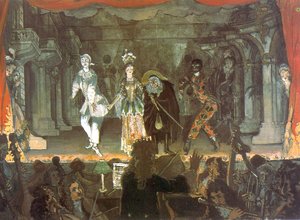
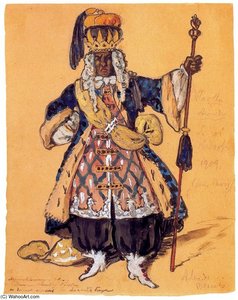
11Petrushka. Costume design for Vatslav Nijinsky (1911) работы Александр Николаевич БенуаPetrushka. Costume design for Vatslav Nijinsky1911 12Hermann at the entrance to the countess (1910) работы Александр Николаевич БенуаHermann at the entrance to the countess1910 13At the gambling house (1910) работы Александр Николаевич БенуаAt the gambling house1910 14Venetian celebration of the XVI century. Fragment. Set Design for an unrealized ballet "The festivities" (1912) работы Александр Николаевич БенуаVenetian celebration of the XVI century. Fragment. Set Design for an unrealized ballet "The festivities"1912 15First barrel organ player. Costume design (1917) работы Александр Николаевич БенуаFirst barrel organ player. Costume design1917 16The scene of the ball. Set Design for Tchaikovsky's opera "Queen of Spades" (1919) работы Александр Николаевич БенуаThe scene of the ball. Set Design for Tchaikovsky's opera "Queen of Spades"1919 17Truffaldino. Costume design for Goldoni's comedy "Servant of two masters" (1920) работы Александр Николаевич БенуаTruffaldino. Costume design for Goldoni's comedy "Servant of two masters"1920 18On the waterfront. Set Design for Shakespeare's drama "The Merchant of Venice" (1920) работы Александр Николаевич БенуаOn the waterfront. Set Design for Shakespeare's drama "The Merchant of Venice"1920 19The third drunkard (1936) работы Александр Николаевич БенуаThe third drunkard1936 20Versailles. King's walk (1897) работы Александр Николаевич БенуаVersailles. King's walk1897 21Versailles. Louis XIV is feeding fish (1897) работы Александр Николаевич БенуаVersailles. Louis XIV is feeding fish1897 22At the pool of Ceres (1897) работы Александр Николаевич БенуаAt the pool of Ceres1897 23Versailles. Fountain of Bacchus in the winter (1905) работы Александр Николаевич БенуаVersailles. Fountain of Bacchus in the winter1905 24Carnival on the Fontanka River (1900) работы Александр Николаевич БенуаCarnival on the Fontanka River1900 25Cover Page (1904) работы Александр Николаевич БенуаCover Page1904 26Italian comedy. ''Love Note'' (1905) работы Александр Николаевич БенуаItalian comedy. ''Love Note''1905 27Peterhof Palace. Lion cascade and colonnade (1900) работы Александр Николаевич БенуаPeterhof Palace. Lion cascade and colonnade1900 28Church of St. Catherine in St. Petersburg (1899) работы Александр Николаевич БенуаChurch of St. Catherine in St. Petersburg1899 29Interieur (1900) работы Александр Николаевич БенуаInterieur1900 30Versailles. Water parterre (1905) работы Александр Николаевич БенуаVersailles. Water parterre1905 31Letter «Zh» (1904) работы Александр Николаевич БенуаLetter «Zh»1904 32Letter «R» (1904) работы Александр Николаевич БенуаLetter «R»1904 33Versailles. ''Mirror'' at Trianon (1905) работы Александр Николаевич БенуаVersailles. ''Mirror'' at Trianon1905 34Letter «U» (1904) работы Александр Николаевич БенуаLetter «U»1904 35Letter «T» (1904) работы Александр Николаевич БенуаLetter «T»1904 36Letter «B» (1904) работы Александр Николаевич БенуаLetter «B»1904 37Letter «S» (1904) работы Александр Николаевич БенуаLetter «S»1904 38Peterhof Palace. Grand Cascade (1901) работы Александр Николаевич БенуаPeterhof Palace. Grand Cascade1901 39Letter «L» (1904) работы Александр Николаевич БенуаLetter «L»1904 40Night at the fairground. Fragment. A sketch for the curtain (1911) работы Александр Николаевич БенуаNight at the fairground. Fragment. A sketch for the curtain1911 41Breton dancing (1906) работы Александр Николаевич БенуаBreton dancing1906 42The King (1906) работы Александр Николаевич БенуаThe King1906 43Versailles (1906) работы Александр Николаевич БенуаVersailles1906 44Crypt of the Borotin Castle. Set Design for Grillparzer's drama "Die Ahnfrau" (1908) работы Александр Николаевич БенуаCrypt of the Borotin Castle. Set Design for Grillparzer's drama "Die Ahnfrau"1908 45Nurse and child. Costume design (1911) работы Александр Николаевич БенуаNurse and child. Costume design1911 46The Evening (1906) работы Александр Николаевич БенуаThe Evening1906 47Peter I on a walk in the Summer Garden (1910) работы Александр Николаевич БенуаPeter I on a walk in the Summer Garden1910 48Versailles (1906) работы Александр Николаевич БенуаVersailles1906 49Rural landscape. Set Design for Adan's ballet "Giselle" (1910) работы Александр Николаевич БенуаRural landscape. Set Design for Adan's ballet "Giselle"1910 50Versailles. Alley (1906) работы Александр Николаевич БенуаVersailles. Alley1906 51Breton Landscape (1906) работы Александр Николаевич БенуаBreton Landscape1906 52Flora Pool in Versailles (1906) работы Александр Николаевич БенуаFlora Pool in Versailles1906 53Blackamoor's Chamber. Fragment. Set Design (1911) работы Александр Николаевич БенуаBlackamoor's Chamber. Fragment. Set Design1911 54Bertha. Costume design for Vera Komissarzhevskaya. (1908) работы Александр Николаевич БенуаBertha. Costume design for Vera Komissarzhevskaya.1908 55Versailles. Greenhouse (1906) работы Александр Николаевич БенуаVersailles. Greenhouse1906 56Chinese Pavilion. Jealous (1906) работы Александр Николаевич БенуаChinese Pavilion. Jealous1906 57At the German Quarter (1911) работы Александр Николаевич БенуаAt the German Quarter1911 58Death of the Countess (1910) работы Александр Николаевич БенуаDeath of the Countess1910 59Pancake Day in St.Petersburg. Fragment. Set Design (1911) работы Александр Николаевич БенуаPancake Day in St.Petersburg. Fragment. Set Design1911 60Dancer in the procession of the Chinese emperor. Costume design for Stravinsky's opera "Nightingale" (1914) работы Александр Николаевич БенуаDancer in the procession of the Chinese emperor. Costume design for Stravinsky's opera "Nightingale"1914 61Ballerina. Costume design (1917) работы Александр Николаевич БенуаBallerina. Costume design1917 62Street Dancer. Costume design (1917) работы Александр Николаевич БенуаStreet Dancer. Costume design1917 63Italian comedy (1916) работы Александр Николаевич БенуаItalian comedy1916 64Blackamoor's Chamber. Fragment. Set Design (1917) работы Александр Николаевич БенуаBlackamoor's Chamber. Fragment. Set Design1917 65Blackamoor. Costume design (1918) работы Александр Николаевич БенуаBlackamoor. Costume design1918 66Peterhof Palace. Vases at the channel (1942) работы Александр Николаевич БенуаPeterhof Palace. Vases at the channel1942 67Peterhof Palace. Mon Plaisir. Medium room. (1942) работы Александр Николаевич БенуаPeterhof Palace. Mon Plaisir. Medium room.1942 68Petrushka. Poster scetch (1948) работы Александр Николаевич БенуаPetrushka. Poster scetch1948 69A coachman and a nurse.Costume design (1957) работы Александр Николаевич БенуаA coachman and a nurse.Costume design1957 70Magician. Costume design (1957) работы Александр Николаевич БенуаMagician. Costume design1957 71Untitled (434) работы Александр Николаевич БенуаUntitled (434) 72Untitled (894) работы Александр Николаевич БенуаUntitled (894) 73Untitled (460) работы Александр Николаевич БенуаUntitled (460) 74Soldiers of Catherine II работы Александр Николаевич БенуаSoldiers of Catherine II 75Untitled (451) работы Александр Николаевич БенуаUntitled (451) 76Untitled (302) работы Александр Николаевич БенуаUntitled (302) 77Untitled (959) работы Александр Николаевич БенуаUntitled (959)

Сюжеты, которые вдохновляли Александр Николаевич Бенуа

Четыре темы, которые чаще всего встречаются в этих оригиналах, каждая из которых представлена своим лучшим образцом.

Александр Николаевич Бенуа сквозь десятилетия: по одному уникальному оригиналу на каждое десятилетие

Произведения по десятилетиям

Выберите десятилетие, чтобы увидеть шедевр, определяющий его.

Картины Александр Николаевич Бенуа: вопросы к галерее

Какая работа Александр Николаевич Бенуа является самой известной?Узнать ответ

Ballerina. Costume design for Tamara Karsavina (1911). Далее следуют Self-portrait (1896) и The King walked in any weather…(Saint-Simon ) (1898).

В каком возрасте Александр Николаевич Бенуа создал(а) Ballerina. Costume design for Tamara Karsavina?Узнать ответ

41 лет: Ballerina. Costume design for Tamara Karsavina датируется 1911 годом, а Александр Николаевич Бенуа родился в 1870.

Какие десять картин Александр Николаевич Бенуа являются самыми известными?Узнать ответ

Ballerina. Costume design for Tamara Karsavina, Self-portrait, The King walked in any weather…(Saint-Simon ), Versailles. At Curtius., Ray Embankment in Basel in the rain, Bronze Horseman. Design for a cover to Pushkin's poem., Italian comedy. ''Indiscreet Punchinello'', Apollo and Daphne, Drummer of a Puppetry и Petrushka's Chamber. Set Design. В рейтинге выше указаны год создания и музей для каждой работы.

Сколько известно работ Александр Николаевич Бенуа?Узнать ответ

В нашем каталоге представлено 79 работ Александр Николаевич Бенуа, созданных в период с 1896 по 1957.

В какой период Александр Николаевич Бенуа создал свои самые известные картины?Узнать ответ

В 1900s: 31 из 77 работ на этой странице были созданы в этот период, Bronze Horseman. Design for a cover to Pushkin's poem. из них.

Какая из знаменитых картин Александр Николаевич Бенуа была написана раньше, а какая — позже?Узнать ответ

На этой странице самая ранняя работа датирована Self-portrait (1896), а самая поздняя — A coachman and a nurse.Costume design (1957).

Какие сюжеты предпочитал Александр Николаевич Бенуа?Узнать ответ

Gardens and parks (13), Designs and sketches (10) и Famous people (8) в 77 работах на этой странице.

К какому направлению относится творчество Александр Николаевич Бенуа?Узнать ответ

Art nouveau, судя по оригиналам на этой странице.

Александр Николаевич Бенуа: портрет художника

Early Life and Artistic Roots

Alexandre Nikolayevich Benois, born on May 4th, 1870, in the vibrant cultural heart of St. Petersburg, Russia, was immersed in an environment rich with artistic legacy from his earliest days. His family—the Benoises—represented a significant force within the Russian intelligentsia, tracing a lineage deeply rooted in architecture, painting, and intellectual discourse. His mother, Camilla (formerly Kavos), carried the influence of her aristocratic background, while his father, Nicholas Benois, was a respected architect celebrated for his elegant designs. Alexandre’s brothers, Albert and Leon, continued this artistic tradition, further enriching the family's creative tapestry. His sister, Maria, married Nikolai Tcherepnin, a prominent composer and conductor—a connection that would later prove invaluable to Benois’s career. Unlike many of his siblings who pursued formal artistic training with unwavering dedication, Alexandre initially charted a course toward law at Saint Petersburg Imperial University, seemingly destined for a life outside the realm of art itself. However, fate intervened with a pivotal encounter: while visiting Versailles in 1897, he captivated the attention of Sergei Diaghilev and Léon Bakst—two figures who were rapidly reshaping the landscape of Russian art and theatre. This chance meeting ignited a passion that would irrevocably alter the course of his life, drawing him away from legal studies and into the dynamic world of stage design and artistic innovation.

The Founding of Mir Iskusstva and the Ballets Russes

The serendipitous meeting between Benois, Diaghilev, and Bakst marked the genesis of *Mir iskusstva* (World of Art), a magazine and artistic movement that would quickly become a cornerstone of early 20th-century Russian culture. Rejecting the prevailing academic traditions and the conservative aesthetic of the Peredvizhniki Society, *Mir iskusstva* championed individualism, innovation, and a synthesis of Western European influences with traditional Russian folk art. Benois’s role within this movement was crucial; he served as editor alongside Diaghilev, shaping its intellectual direction and fostering an atmosphere of experimentation and daring. The magazine rapidly gained notoriety for its bold critiques and its enthusiastic promotion of avant-garde artists—painters, sculptors, architects, writers, and designers—all united by a shared desire to break free from the constraints of established norms. Benois’s sharp intellect and discerning eye proved invaluable in curating *Mir iskusstva*'s content, ensuring it remained at the forefront of artistic discourse.

Collaboration with Diaghilev: Redefining Ballet

The collaboration between Benois, Diaghilev, and Bakst culminated in the creation of the Ballets Russes—an international dance company that would revolutionize ballet performance as a dramatic art form. Benois’s contributions to the Ballets Russes were particularly significant; he served as scenic director, meticulously overseeing the design and construction of elaborate sets and costumes—works that transcended mere decoration and became integral components of the narrative being presented on stage. Productions like *Les Sylphides* (1909), *Giselle* (1910), and *Petrushka* (1911)—featuring groundbreaking scores by composers such as Debussy, Stravinsky, and Ravel—became instant classics, establishing a new standard for ballet design and profoundly influencing generations of artists. These productions were not simply spectacles; they were carefully constructed artistic statements that seamlessly integrated music, dance, visual art, and costume to create immersive theatrical experiences, transporting audiences to other worlds.

Design Style and Notable Works

Benois’s aesthetic was characterized by a distinctive blend of Neo-Classicism, Art Nouveau elegance, and a deep appreciation for Russian history and folklore. His designs were renowned for their meticulous detail, refined lines, and evocative use of color and texture. He frequently drew inspiration from historical sources—particularly the late Baroque and Rococo periods—incorporating elements of aristocratic grandeur and courtly ritual into his stage settings. However, he never adhered rigidly to traditional styles; instead, he skillfully manipulated classical motifs to create a sense of both familiarity and novelty, injecting a vibrant energy into established forms. His illustrations for Pushkin’s poem *The Bronze Horseman* (1903) demonstrated his ability to capture both historical accuracy and poetic emotion—a skill that would later be reflected in his work with children's books. The “Alphabet in Pictures,” published in 1904, was a remarkable achievement—a beautifully illustrated primer that combined educational content with artistic sophistication, showcasing his versatility as an artist and educator.

Later Years and Legacy

Following the Russian Revolution of 1917, Benois found himself in Paris, where he continued to work as a set designer, maintaining his commitment to artistic innovation. He was appointed curator of the gallery of Old Masters in the Hermitage Museum at Leningrad (now St. Petersburg) from 1918 to 1926, securing his brother’s Leonardo da Vinci painting *Madonna* for the museum—a testament to his scholarly pursuits and dedication to preserving Russian cultural heritage. He published his memoirs in two volumes in 1955, offering a fascinating glimpse into his life and artistic journey, sharing anecdotes and insights gleaned from a remarkable career. Benois's son, Nicola Alexandrovich Benois (Nikolai Benois), followed in his father’s footsteps, becoming a renowned opera designer. His nephew, Nikolai Albertovich Benois, married the celebrated soprano Maria Nikolaevna Kuznetsova. Alexandre Benois died on February 9th, 1960, leaving behind an extraordinary body of work that continues to inspire artists and captivate audiences worldwide. He remains a pivotal figure in the history of ballet design, a champion of artistic innovation, and a testament to the power of collaboration and vision—a true luminary of the Russian art world.