Примерить в интерьере
 Отправить
 Поделиться
 Подробнее
 Руководство

 Скачать
 Похожие объекты
 Рентгенография
 Слайд-шоу
 Статистика
Тигр


 Развернуть текст
Жикле / Арт-принты
Печать (жикле) или холст музейного качества с быстрыми сроками изготовления и широким выбором вариантов отделки. ( Заказать репродукцию ручной работы Перейти к цифровым изображениям)




P118B $10

P118H $10

P118W $10

P438Z $10

P508JH $12

P508YH $12

P805H $10

P805Z $10

P919BZ $10

P919G $10

P919XJ $10

P959ZH $10

P968JZ $12

W106C $8

W218G $10

W218JH $8

W218Y $10

W307PJ $10

W316G $10

W316PJ $8

W316Y $10

W398PJ $8

W4111J $10

W500HY $15

W500JH $15

W692G $12

W849H $8

W940BG $15

W953PJ $8




Выберите один из наших стандартных размеров, соответствующих оригинальным пропорциям произведения искусства.

Введите необходимую ширину и высоту, чтобы репродукция подошла к вашей раме или стене. При печати изображение можно только уменьшить, но нельзя увеличить больше оригинала, поэтому при выборе другого формата часть изображения может быть обрезана. Перед печатью мы отправим вам цифровой макет на утверждение. Изображение на этой странице не отображает реальную обрезку — ее можно увидеть только на макете.
Доставка по всему миру () за 2 недели вместо стандартных 4–5 недель. (27 Октябрь)

Бесплатная экспресс-доставка по всему миру

Высококачественный льняной холст

Полное страхование при транспортировке

Гарантия возврата таможенных пошлин

Гарантия точного цветового соответствия

100-дневный период возврата (только при обнаружении дефектов)

Гарантия возврата 100% средств

Скидка при заказе нескольких работ
 Вариант со стеклом доступен только для размеров менее 110 см

Тигр
Жикле / Арт-принты
Размер репродукции
-


Итоговая стоимость
$ 80
Сюжет и композиция
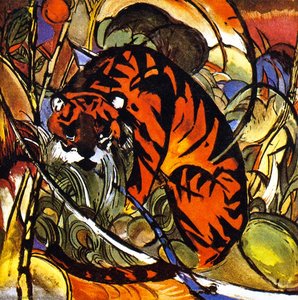
Это поразительное произведение искусства сосредоточено вокруг величественного представителя кошачьих, вероятно, тигра или другого крупного хищника, запечатленного в момент безмолвной силы и самосозерцания. Пронзительный взгляд животного затягивает зрителя в свой мир, пробуждая чувство тайны и эмоциональной глубины. Композиция динамична, но при этом сбалансирована: фрагментированные геометрические грани предполагают множественность точек зрения, приглашая исследовать объект под разными углами. Фрагментарность формы подчеркивает врожденную мощь и независимость зверя, превращая его в притягательный центр любого пространства.Стиль и техника
Созданная в 1912 году, эта работа является воплощением стиля кубизма, для которого характерны смелые геометрические формы и абстрактные очертания. Художник использует резкие линии и наслоение граней, чтобы раздробить образ, подчеркивая двухмерность холста и одновременно создавая многослойное ощущение глубины. Яркая палитра включает контрастные цвета — желтый, красный, зеленый и фиолетовый, — нанесенные экспрессивными мазками, которые передают движение и эмоциональный накал. Использование широких, уверенных мазков и текстурных слоев усиливает тактильное качество работы, превращая созерцание в живой визуальный опыт.Исторический контекст и художественная значимость
Созданная в переломный период начала XX века, эта работа отражает новаторский дух кубизма и немецкого экспрессионизма. Франц Марк был первопроходцем в исследовании духовного и символического потенциала животных, часто изображая их как воплощение жизненной силы и стойкости. Это произведение созвучно увлечению Марка духовным символизмом природы, в которой он видел чистоту, силу и эмоциональную глубило. Написанная в 1912 году, незадолго до потрясений Первой мировой войны, картина запечатлела момент художественного эксперимента и эмоционального поиска, который продолжает резонировать и сегодня.Символизм и эмоциональное воздействие
Напряженный взгляд хищника и яркие, контрастные цвета вызывают глубокий эмоциональный отклик, пробуждая чувства трепета, созерцания и стойкости. Фрагментированная форма символизирует сложность восприятия и многогранность идентичности. Произведение приглашает зрителя заглянуть за пределы поверхностных явлений и соприкоснуться с глубокими, духовными качествами субъекта. Смелый визуальный язык и эмоциональная глубина делают эту работу мощным акцентом, способным вдохновлять на размышления в любой обстановке.Идеально для коллекционеров и дизайна интерьера
Эта высококачественная репродукция предоставляет ценителям искусства, коллекционерам и дизайнерам интерьера исключительную возможность привнести частицу модернистских инноваций в свое пространство. Динамичная композиция и яркая палитра делают ее эффектным центральным элементом как в современных, так так и в классических интерьерах. Будь то гостиная, кабинет или галерея, эта картина добавляет нотку изысканности, эмоционального резонанса и причастности к истории искусства, становясь вневременным дополнением к любой коллекции.Вопросы и ответы
Из какой страны происходит работа в стиле Cubist Expressionism «Тигр»?
Работа в стиле Cubist Expressionism «Тигр» была создана художником, уроженцем Германия.
Для каких целей рекомендуется использовать «Тигр», Франц Марк?
Рекомендуемый способ использования репродукции «Тигр», Франц Марк — Центральный акцент. Она также может служить для других целей.
Является ли «Тигр» известным произведением Cubist Expressionism?
«Тигр», Франц Марк классифицируется как Признанный и относится к направлению Cubist Expressionism.
Биография художника
A Life Immersed in Color and Spirit
Franz Moritz Wilhelm Marc, born in Munich in 1880, was a painter whose brief but intensely focused career irrevocably altered the course of German Expressionism. His story is one of profound spiritual seeking translated into a vibrant visual language, a quest to understand the essence of life through the purity he found in the natural world—particularly within the animal kingdom. Initially influenced by his father, Wilhelm Marc, a landscape painter, young Franz’s artistic path wasn't immediately certain. He briefly considered theology, grappling with questions of faith and existence before ultimately dedicating himself to art at the Academy of Fine Arts in Munich. These early explorations into religious thought would remain deeply embedded within his work, shaping his belief that art could be a conduit for spiritual experience. His academic training provided him with technical foundations, but it was encounters with the works of Vincent van Gogh during visits to Paris that truly ignited his artistic vision. Van Gogh’s emotive use of color and raw expression resonated profoundly with Marc, liberating him from conventional techniques and setting him on a path toward a more subjective and emotionally charged style.The Blue Rider and a New Artistic Vision
Marc's artistic development wasn’t solitary; it flourished within the dynamic context of early 20th-century Munich. He experimented with various artist groups, including the Neue Künstlervereinigung München, before co-founding *Der Blaue Reiter* (The Blue Rider) in 1911 alongside Wassily Kandinsky. This wasn’t merely a group or an exhibition series; it was a philosophical and artistic revolution. *Der Blaue Reiter* sought to move beyond mere representation, aiming instead to express inner spiritual truths through abstraction and symbolic color. The journal of the same name became a platform for disseminating these ideas, showcasing not only their own work but also that of other forward-thinking artists and exploring diverse cultural influences from folk art to primitive sculpture. Marc’s contributions during this period were pivotal. He moved away from depicting landscapes as static scenes, instead focusing on animals—horses, deer, foxes—as vessels of spiritual energy. These weren’t simply animal portraits; they were symbolic representations of innocence, harmony, and a connection to the natural world that he believed humanity had lost. The influence of Robert Delaunay’s exploration of abstract forms and vibrant colors further propelled Marc toward simplification and heightened emotional expression in his work. Paintings like *The Tiger* (1912) and *Red Deer* (1912) exemplify this shift, showcasing bold color choices and a growing focus on the inherent qualities of his subjects rather than realistic depiction.Symbolism, Color, and the Essence of Being
Marc’s artistic style is immediately recognizable for its distinctive use of color and form. He didn't employ color descriptively; instead, he imbued it with symbolic meaning. Blue represented spirituality and masculinity, yellow signified joy and femininity, and red embodied violence and materiality. These weren’t arbitrary choices but a carefully constructed system designed to convey specific emotional and philosophical ideas. His animals aren’t merely subjects; they are embodiments of these concepts. The simplification of forms—reducing figures to their essential shapes—further emphasized the underlying spiritual essence he sought to capture. *The Tower of Blue Horses* (1913), sadly lost during World War II, is perhaps the most iconic example of this approach, a powerful and evocative composition that encapsulates his artistic vision. He believed animals possessed an inherent purity and connection to nature that humans had forfeited through societal constraints and intellectualization. By portraying them with such reverence and symbolic weight, Marc sought to remind viewers of this lost harmony and inspire a deeper appreciation for the natural world. His work wasn’t about depicting *what* he saw but rather *how* he felt—a deeply personal and spiritual response to his surroundings.Influences and Development
Marc's artistic journey was shaped by a confluence of influences. Initially, his father’s landscape paintings provided a foundation in observation and technique. However, it was the encounter with Vincent van Gogh that truly transformed his approach. Van Gogh’s expressive brushwork, intense colors, and emotional honesty resonated deeply with Marc, liberating him from academic constraints and encouraging him to prioritize feeling over representation. The Impressionists, particularly Monet, also played a role in broadening his palette and exploring new ways of capturing light and atmosphere. Furthermore, Marc's time in Paris exposed him to the burgeoning avant-garde movements, including Cubism and Fauvism, which subtly influenced his later work. He was fascinated by the works of Paul Gauguin, particularly Gauguin’s use of symbolism and vibrant colors to convey spiritual themes. The philosophical ideas of Eastern religions—particularly Buddhism—also exerted a significant influence on Marc's thinking, informing his belief in the interconnectedness of all things and the importance of living in harmony with nature.A Tragic End and Lasting Legacy
The outbreak of World War I in 1914 dramatically altered Marc’s life and artistic trajectory. Despite seeking exemption due to his status as an artist, he was drafted into the German army, serving as a cavalryman. The horrors of war deeply affected him, yet even amidst the chaos, he continued to paint, finding solace and meaning in his art. Tragically, Franz Marc died on March 4, 1916, at the Battle of Verdun, a devastating loss for the art world. His untimely death cut short a career brimming with potential, but it also cemented his place as a pivotal figure in modern art history. His work continues to resonate today, influencing generations of artists and captivating audiences with its emotional depth and spiritual resonance. Marc’s paintings are exhibited in major museums worldwide, including the Lenbachhaus in Munich, which holds an extensive collection of his work. He is remembered not only as a pioneer of German Expressionism but also as a visionary artist who dared to explore the profound connection between art, spirituality, and the natural world—a legacy that continues to inspire awe and contemplation. His artistic vision remains a testament to the power of art to transcend the material realm and touch upon something deeper within the human spirit.
Франц Марк
1880 - 1916 , Германия
Краткая справка
- Artistic Movement Or Style: Немецкий экспрессионизм
- Artists Or Movements Influenced By This Artist:
- Абстрактное искусство
- Синий Rider
- Artists Who Influenced This Artist:
- Ван Гог
- Деланье
- Date Of Birth: 8 февраля 1880 г.
- Date Of Death: 4 марта 1916 г.
- Full Name: Франц Moritz Wilhelm Marc
- Nationality: Германец
- Notable Artworks:
- Кот на красном полотне
- Чёрный жеребец
- Башня синих лошадей
- Place Of Birth: Мюнхен, Германия
Похожие статьи
Топ-10 шедевров живописи в доминирующих оттенках хромового жёлтого | OriginalUniqueArt
Погрузитесь в мир хромового жёлтого! 10 знаменитых картин Ван Гога, Моне и других мастеров. История искусства, техника живописи и вдохновение для декора интерьера. Репродукции музейного качества на OriginalUniqueArt.com
10 шедевров кубизма и экспрессионизма: искусство, изменившее мир | OriginalUniqueArt
Погрузитесь в мир кубизма и экспрессионизма! 10 шедевров от Picasso, Braque, Kandinsky и других гениев. Узнайте историю создания культовых картин и найдите идеальную репродукцию для вашего интерьера на OriginalUniqueArt.com

10 Шедевров Немецкого Экспрессионизма: Искусство Эмоций и Вдохновения | OriginalUniqueArt
Погрузитесь в мир немецкого экспрессионизма! Узнайте истории создания шедевров Мунка, Кирхнера, Кандинского и других великих художников. Репродукции картин высокого качества для вашего интерьера на OriginalUniqueArt.com. Откройте всю коллекцию онлайн!
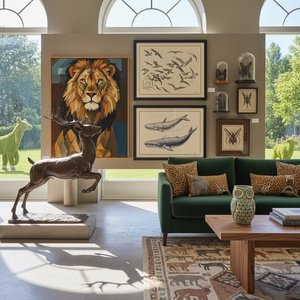
Животные в искусстве: вдохновение для вашего интерьера
Вдохновитесь миром искусства и животных! Узнайте о символике, истории изображения животных в живописи и идеях для декора интерьера от экспертов .

Franz Marc: Expressionism, Spirituality & the Animal Symbolism of a Modern Master
Explore the profound world of Franz Marc's Expressionist paintings. Discover his spiritual connection to animals, innovative use of color, and lasting impact on modern art history. Learn more at OriginalUniqueArt.