
 Предпросмотр
 Поделиться
 Поделиться
 Детали произведения
 Руководство

 Скачать
 Похожие предметы
 Рентгенография
 Слайд-шоу
 Вопросы и ответы
 Статистика просмотров
Три женщины

- 180.0 x 132.0 cm


 Читать далее
Жикле и арт-принты
Печать (жикле) или холст музейного качества с быстрыми сроками изготовления и широким выбором вариантов отделки. ( Купить картину ручной работы Перейти к цифровым изображениям)




P118B $10

P118H $10

P118W $10

P438Z $10

P508JH $12

P508YH $12

P805H $10

P805Z $10

P919BZ $10

P919G $10

P919XJ $10

P959ZH $10

P968JZ $12

W106C $8

W218G $10

W218JH $8

W218Y $10

W307PJ $10

W316G $10

W316PJ $8

W316Y $10

W398PJ $8

W4111J $10

W500HY $15

W500JH $15

W692G $12

W849H $8

W940BG $15

W953PJ $8




Выберите один из наших стандартных размеров, соответствующих оригинальным пропорциям произведения искусства.

Введите необходимую ширину и высоту, чтобы репродукция подошла к вашей раме или стене. При печати изображение можно только уменьшить, но нельзя увеличить больше оригинала, поэтому при выборе другого формата часть изображения может быть обрезана. Перед печатью мы отправим вам цифровой макет на утверждение. Изображение на этой странице не отображает реальную обрезку — ее можно увидеть только на макете.
Доставка по всему миру () за 2 недели вместо стандартных 4–5 недель. (7 Ноябрь)

Бесплатная экспресс-доставка по всему миру

Высококачественный льняной холст

Полное страхование при доставке

Гарантия возмещения таможенных пошлин

Гарантия точного цветового соответствия

100-дневная гарантия возврата (только при обнаружении дефектов)

Гарантия возврата 100% средств

Скидка при оптовом заказе
 Вариант со стеклом доступен только для размеров менее 110 см

Три женщины
Жикле и арт-принты
Размер репродукции
-


Итоговая стоимость
$ 81
Завораживающий шедевр Умберто Боччони
Погрузитесь в безмятежную красоту этого пленительного полотна «Три женщины», созданного выдающимся итальянским мастером Умберто Боччони в 1910 году. Это изысканное произведение служит живым свидетельством творческой эволюции Боччони и его ключевой роли в становлении футуризма — движения, изменившего облик искусства XX века.
Сюжет: Полотно интимности
Изображая трех женщин в момент тихого раздумья, эта картина излучает атмосферу спокойствия и глубокой сосредоточенности. В центре композиции находится возлюбленная Боччони, Инес, по бокам от которой расположились его мать Чечилия слева и сестра Амелия справа. Каждая женщина запечатлена в состоянии созерцания, а их лица передают едва уловимое чувство умиротворения и легкой меланхолии.
Стиль: Слияние дивизионизма и футуризма
«Три женщины» — это поразительный пример перехода Боччони от техники дивизионизма к принципам футуризма. В картине используется дивизионистский метод раздельных мазков для создания интенсивных, светящихся цветов. Одновременно с этим в работе проявляются элементы футуризма: выразительная фактура мазка и динамичная композиция, отражающие новаторский подход художника к передаче формы и движения.
Техника: Мастерство света и цвета
Мастерство Боччони в работе со светом и цветом очевидно в каждом штрихе этого произведения. Мягкие, текучие линии и приглушенная палитра создают почти сновидную атмосферу, в то время как тончайшие переходы оттенков придают изображению глубину и объем. Рассеянный свет озаряет фигуры, усиливая ощущение тепла и интимной близости сцены.
Исторический контекст: Мост к футуризму
Созданная в переломный период карьеры художника, картина «Три женщины» знаменует собой важный рубеж между дивизионизмом и футуризмом. На этот творческий сдвиг повлияла встреча Боччони с Филиппо Томмазо Маринетти, основателем футуристического движения. Полотно отражает внутреннюю борьбу художника, пытавшегося адаптировать свои традиционные сюжеты к новой эстетике, что в итоге привело к созданию уникального синтеза стилей.
Символизм: Единство и самопознание
Треугольная композиция фигур символизирует единство и неразрывную связь. Центральное положение Инес подчеркивает ее роль как связующего звена между матерью и сестрой Боччони. Безмятежные выражения лиц женщин пробуждают темы самопознания и внутреннего мира, приглашая зрителя к размышлению о собственных чувствах.
Эмоциональное воздействие: Чувство покоя
«Три женщины» оказывают глубокое эмоциональное воздействие на зрителя, даря ощущение умиротворения и созерцательности. Эффект сна, в сочетающемся с приглушенными тонами и мягкостью линий, создает атмосферу тишины. Это произведение станет идеальным выбором для тех, кто стремится привнести нотку безмятежности и элегантности в свое пространство.
Почему стоит выбрать нашу репродукцию?
В OriginalUniqueArt.com мы специализируемся на создании высококачественных репродукций знаменитых шедевров, написанных вручную. Наши искусные мастера с поразительной точностью воссоздают каждую деталь оригинала, гарантируя вам получение верного и прекрасного воплощения подлинника. Будь вы ценителем искусства, коллекционером или дизайнером интерьера, наша репродукция «Трех женщин» станет великолепным дополнением вашей коллекции.
Прикоснитесь к вечной красоте «Трех женщин» Умберто Боччони и наполните свой дом или офис атмосферой спокойствия и изысканности с нашей эксклюзивной репродукцией.
Вопросы и ответы
К какой исторической эпохе относится «Три женщины», Умберто Боччони?
«Три женщины», Умберто Боччони относится к эпохе — Модернизм. Этот период определяет исторический контекст произведения.
К какому этапу карьеры Умберто Боччони относится произведение «Три женщины» (1910)?
Дата создания 1910 позволяет отнести «Три женщины» к Futurist Transition творчества Умберто Боччони.
Можно ли посмотреть «Три женщины», Умберто Боччони в формате слайд-шоу?
Доступна презентация: страница Слайд-шоу работы «Три женщины», Умберто Боччони.
Биография художника
A Life Forged in Motion: The Revolutionary Vision of Umberto Boccioni
Umberto Boccioni, born in Reggio Calabria in 1882, was a figurehead of the Italian Futurist movement—a force that sought to shatter artistic conventions and embrace the dynamism of the modern world. His life, though tragically cut short at just thirty-three, became a testament to this fervent belief in progress, speed, and the intoxicating energy of the machine age. Boccioni’s early years were marked by constant relocation due to his father's civil service position, an upbringing that exposed him to diverse landscapes and instilled within him a restless spirit. This nomadic existence eventually led him to Rome, where he initially pursued studies in decorative arts before gravitating towards painting, absorbing influences from the Liberty style poster artists of the time. However, it was his encounter with Futurism, ignited by the writings of Filippo Tommaso Marinetti, that truly set his artistic trajectory ablaze.Embracing the Whirlwind: The Rise of a Futurist
The year 1910 proved pivotal for Boccioni. He signed the *Manifesto dei Pittori Futuristi*, solidifying his commitment to a movement that celebrated technology, velocity, and even violence as emblems of modernity. This wasn’t merely an aesthetic choice; it was a philosophical rebellion against the weight of tradition, a desire to capture the very essence of a world hurtling towards an uncertain future. Boccioni quickly became one of Futurism's most articulate theorists, expanding upon Marinetti’s initial pronouncements and applying them to the visual arts. He argued for a complete break from representational accuracy, advocating instead for paintings that conveyed not just *what* things looked like, but *how* they felt in motion—the sensation of speed, the fragmentation of form, the overwhelming energy of urban life. His early works, while still hinting at Impressionist and Divisionist influences, began to demonstrate this burgeoning obsession with dynamism. Paintings such as *The City Rises* (1910-1911) are monumental in scale and ambition, depicting the chaotic construction of a modern metropolis—a swirling vortex of human figures, buildings, and machinery that embodies the Futurist ideal. The painting is not simply a depiction of a city; it’s an embodiment of its relentless energy and transformation.Deconstructing Reality: Technique and Themes
Boccioni’s artistic development was characterized by an increasingly radical approach to form. He moved away from traditional notions of perspective and composition, embracing fragmentation as a means of conveying movement and energy. Objects were broken down into their constituent parts, lines of force radiated outwards, and colors blended in swirling patterns—all designed to create a sense of visual vibration. This deconstruction wasn’t merely stylistic; it was rooted in Boccioni's belief that reality itself was fluid and constantly changing. He sought to represent not the static appearance of things, but their dynamic essence. Key themes emerged throughout his oeuvre: dynamism, the celebration of modernity, and a fascination with the human body as a vehicle for expressing energy and motion. This is powerfully illustrated in works like *Dynamism of a Human Body* (1913), where a figure is depicted not as a solid form but as a series of fragmented shapes suggesting movement through space. The painting captures the sensation of a person in motion, almost dissolving into the surrounding environment. His sculpture *Unique Forms of Continuity in Space* (1913) further exemplifies this approach—a bronze masterpiece that appears to be caught mid-stride, its limbs and torso elongated and distorted, conveying a sense of unstoppable momentum. The work is not just a representation of a body; it’s an embodiment of the Futurist concept of dynamism and continuous movement.Influences and Legacy
Boccioni's artistic journey was shaped by a confluence of influences. Early exposure to Giacomo Balla’s Divisionist techniques, with its emphasis on broken color and fragmented forms, provided a foundation for his later explorations of dynamism. The writings of Pablo Picasso and Guillaume Apollinaire, particularly their theories about the relationship between art and modern life, also played a significant role in shaping his artistic vision. Crucially, he was deeply influenced by Filippo Tommaso Marinetti’s *Manifesto del Futurismo*, which articulated the movement's core tenets—a rejection of the past, an embrace of technology, and a celebration of speed and violence. Boccioni’s own theoretical contributions to Futurism were equally important, as he developed a sophisticated system for representing motion and dynamism in his paintings and sculptures. Despite his untimely death in 1916 during World War I, Boccioni's legacy endures. His innovative approach to form, color, and composition profoundly influenced subsequent generations of artists, including Constructivists and Abstract Expressionists. His work continues to be studied and admired for its bold experimentation and its powerful evocation of the energy and dynamism of the modern world.- Key Influences: Giacomo Balla, Filippo Tommaso Marinetti, Pablo Picasso, Guillaume Apollinaire
- Notable Works: *The City Rises*, *Dynamism of a Human Body*, *Unique Forms of Continuity in Space*
- Historical Significance: A pivotal figure in 20th-century art, Boccioni challenged artistic conventions and helped shape the course of modern art. His theories on dynamism and the representation of motion continue to inspire artists today.
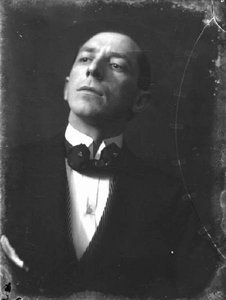
Умберто Боччони
1882 - 1916 , Италия
Об авторе
- Artistic Movement Or Style: Футуризм
- Artists Or Movements Influenced By This Artist:
- Конструктивизм
- Абстрактный экспрессионизм
- Artists Who Influenced This Artist:
- Джакомо Балла
- Постимпрессионизм
- Date Of Birth: 1882-10-19
- Date Of Death: 1916-08-17
- Full Name: Умберто Бьочони
- Nationality: Итальянский
- Notable Artworks:
- Динамизм человеческого тела
- Уникальные формы непрерывности в пространстве
- Город, восходящий
- Place Of Birth: Реджо Calabria, Италия
Похожие статьи

Umberto Boccioni: Dynamism, Futurist Ideals & the Evolution of Modern Sculpture
Explore the revolutionary art of Umberto Boccioni, a leading figure of Futurism. Discover his iconic sculptures & paintings, and delve into the movement's impact on modern art history with OriginalUniqueArt.

Carlo Carrà: Futurist Visions & Metaphysical Transformations in Early 20th-Century Italian Painting
Explore the artistic journey of Carlo Carrà, a pivotal figure in Italian Futurism & Metaphysical painting. Discover his dynamic compositions, collaborations with de Chirico, and lasting influence on modern art history.

The Enduring Muse: Women as Subject & Symbol in Art History
Explore the rich history of women in art – from iconic muses to groundbreaking artists. Discover feminist movements, global perspectives & reclaim female narratives with OriginalUniqueArt.
The Enduring Muse: Women as Subject & Symbol in Art History
Explore the rich history of women in art – from archetypal representations to contemporary voices challenging norms. Discover iconic artists & movements, and learn about reclaiming female narratives through painting and beyond.

Speed, Power, and Motion: A Definitive Guide to the Italian Futurist Art Movement
Explore the dynamic world of Italian Futurism. Discover how masters like Umberto Boccioni captured speed, power, and modernity through revolutionary techniques. A definitive guide for art historians and collectors seeking to understand the movement that redefined the machine age.


