Предпросмотр
 Поделиться
 Поделиться
 Детали произведения
 Руководство

 Скачать
 Похожие предметы
 Рентгенография
 Слайд-шоу
 Вопросы и ответы
 Статистика просмотров
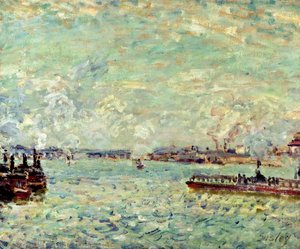
Дорога к Лувьени


 Читать далее
Жикле и арт-принты
Печать (жикле) или холст музейного качества с быстрыми сроками изготовления и широким выбором вариантов отделки. ( Купить картину ручной работы Перейти к цифровым изображениям)




P118B $10

P118H $10

P118W $10

P438Z $10

P508JH $12

P508YH $12

P805H $10

P805Z $10

P919BZ $10

P919G $10

P919XJ $10

P959ZH $10

P968JZ $12

W106C $8

W218G $10

W218JH $8

W218Y $10

W307PJ $10

W316G $10

W316PJ $8

W316Y $10

W398PJ $8

W4111J $10

W500HY $15

W500JH $15

W692G $12

W849H $8

W940BG $15

W953PJ $8




Выберите один из наших стандартных размеров, соответствующих оригинальным пропорциям произведения искусства.

Введите необходимую ширину и высоту, чтобы репродукция подошла к вашей раме или стене. При печати изображение можно только уменьшить, но нельзя увеличить больше оригинала, поэтому при выборе другого формата часть изображения может быть обрезана. Перед печатью мы отправим вам цифровой макет на утверждение. Изображение на этой странице не отображает реальную обрезку — ее можно увидеть только на макете.
Доставка по всему миру () за 2 недели вместо стандартных 4–5 недель. (9 Ноябрь)

Бесплатная экспресс-доставка по всему миру

Высококачественный льняной холст

Полное страхование при доставке

Гарантия возмещения таможенных пошлин

Гарантия точного цветового соответствия

100-дневная гарантия возврата (только при обнаружении дефектов)

Гарантия возврата 100% средств

Скидка при оптовом заказе
 Вариант со стеклом доступен только для размеров менее 110 см

Дорога к Лувьени
Жикле и арт-принты
Размер репродукции
-


Итоговая стоимость
$ 81
Безмятежное путешествие сквозь природу
Картина Альфреда Сислея «Дорога к Лувьени» — это завораживающий импрессионистский пейзаж, который приглашает зрителя в мир тихой красоты естественного мира. Созданная в 1875 году, эта работа запечатлела саму суть французской сельской местности с помощью ярких красок и деликатной манеры письма.Мастерство импрессионизма
В этом произведении отчетливо проявляется виртуозное владение импрессионистическим стилем, присущее Сислею. Видимые мазки кисти и акцент на передаче мимолетных эффектов света и цвета создают ощущение движения и жизненной силы. Горизонтальная ориентация полотна открывает широкий панорамный вид, вовлекая зрителя внутрь сцены и создавая глубокое чувство перспективы.Яркая цветовая палитра
В работе доминируют теплые желтые и зеленые тона, дополненные нежными оттенками синего в небе. Эти цвета намекают на предчувствие позднего лета или ранней осени, вызывая глубокое чувство спокойствия и умиротворения. Яркие, теплые оттенки создают живую и притягательную сцену, что делает картину идеальным дополнением для любого интерьера, стремящегося к гармонии с природой.Исторический контекст
Написанная в период расцвета импрессионизма, «Дорога к Лувьени» отражает преданность Сислея искусству пленэра — живописи на открытом воздухе. Эта эпоха ознаменовалась уходом от традиционной студийной манеры к стремлению запечатлеть природный мир в его истинном свете и цвете. Творчество Сислея, наряду с работами его современников, таких как Моне и Ренуар, помогло сформировать этот революционный подход к искусству.Символизм и эмоциональное воздействие
Извилистая тропинка на картине служит метафорой жизненного пути, приглашая зрителя к размышлениям о собственных судьбах. Природный ландшафт символизирует гармонию и безмятежность, пробуждая чувство внутреннего покоя. Этот эмоциональный резонанс делает произведение не просто визуальным наслаждением, но и источником глубоких раздумий и вдохновения.Идеальный выбор для ценителей и коллекционеров
Для любителей искусства и коллекционеров «Дорога к Лувьени» открывает окно в прекрасный мир импрессионистических пейзажей. Безмятежное и живое изображение природы делает эту работу ценным приобретением для любой коллекции. Историческая значимость и эмоциональная глубина картины создают дополнительные грани восхищения для тех, кто ищет в искусстве глубокий смысл.Элегантное решение для интерьера
Дизайнеры интерьеров найдут это произведение универсальным и элегантным выбором. Теплая цветовая гамма и умиротворяющий сюжет позволяют гармонично вписать картину в самые разные стили — от современного до классического. Будь то гостиная, спальня или кабинет, «Дорога к Лувьени» привносит ощущение спокойствия и природной эстетики в любое пространство.Привнесите красоту импрессионизма в свой дом
Для тех, кто желает наполнить свой дом вневременной красотой импрессионизма, высококачественная репродукция «Дороги к Лувьени» станет превосходным выбором. Это произведение не только украсит ваш интерьер, но и будет служить ежедневным напоминанием о безмятежности природы и непреходящем наследии художественного гения Альфреда Сислея.Почувствуйте умиротворение
Погрузитесь в безмятежную красоту «Дороги к Лувьени», позвольте ее ярким краскам и спокойному пейзажу принести мир и вдохновение в вашу жизнь. Независимо от того, являетесь ли вы энтузиастом искусства, коллекционером или дизайнером, этот шедевр непременно покорит ваше сердце.Вопросы и ответы
Каково место «Дорога к Лувьени», Сислей в истории искусства?
Искусствоведческая классификация произведения «Дорога к Лувьени», Сислей относится к направлению Impressionist Landscape, эпохе — XIX век.
Как описывается цветовая палитра «Дорога к Лувьени», Сислей?
Цвета произведения «Дорога к Лувьени» образуют Нейтральные тона палитру. Данная классификация описывает преобладающие цветовые группы.
Где я могу посмотреть превью для «Дорога к Лувьени»?
Страница предварительного просмотра В интерьере произведения «Дорога к Лувьени» позволяет ознакомиться с работой перед оформлением заказа.
Биография художника
A Life Immersed in Light and Landscape
Alfred Sisley, a name often whispered alongside those of Monet, Renoir, and Pissarro, occupies a unique and profoundly beautiful space within the Impressionist movement. Born in Paris on October 30, 1839, to British parents—William Sisley, a silk merchant, and Felicia Sell, a music enthusiast—he carried a dual heritage that subtly informed his artistic vision. Though he would spend nearly his entire life in France, Sisley retained British citizenship, a fact that brought him personal disappointment later in life when applying for French naturalization was refused. His early years were comfortably bourgeois, affording him the opportunity to pursue studies initially intended for a commercial career in London at the age of eighteen. However, the allure of art proved too strong, and he returned to Paris in 1861, embarking on formal training under Swiss artist Marc-Charles-Gabriel Gleyre at the École des Beaux-Arts. It was here, amidst the burgeoning artistic ferment of the era, that Sisley forged crucial friendships with Monet, Renoir, and Bazille—relationships that would profoundly shape his artistic trajectory. These companions shared a rebellious spirit, rejecting the rigid conventions of academic painting in favor of capturing the fleeting effects of light and atmosphere directly from nature.The Quiet Master of Impressionism
Sisley’s dedication to *plein air* painting—working outdoors, directly observing the natural world—was unwavering. Unlike some of his contemporaries who experimented with diverse genres, Sisley remained steadfastly committed to landscape throughout his career. This focused devotion allowed him to refine a distinctive style characterized by tranquility, delicate color palettes, and a subtle rendering of light. His canvases are often awash in pale shades of green, pink, purple, dusty blue, and cream, creating an atmosphere of serene contemplation. While the early works remain largely lost to time, his mature paintings reveal a meticulous observation of nature combined with a poetic sensibility. He wasn’t interested in grand narratives or dramatic gestures; instead, he found beauty in the everyday—in the gentle flow of rivers, the dappled light filtering through trees, and the quiet charm of rural life. His early struggles for recognition were compounded by his father's financial difficulties following the Franco-Prussian War in 1870, forcing Sisley to rely solely on the sale of his art for sustenance—a precarious existence that shadowed much of his career. He was a true Impressionist, but one who often labored in relative obscurity during his lifetime.Rivers, Canals, and the Essence of Place
Recurring themes permeate Sisley’s oeuvre, most notably his fascination with water. River landscapes became a signature subject, exemplified by his series of paintings created during a trip to England in 1874 along the Thames near Molesey. These works, capturing the tranquil beauty of the river and its surroundings, are considered among his finest achievements—a “perfect moment of Impressionism,” as art historian Kenneth Clark described them. He also developed a deep connection with Moret-sur-Loing, where he lived for many years, immortalizing its canals, bridges, and surrounding countryside in numerous canvases. Paintings like "Watermill near Moret," "Barges on the Loing Canal, Spring", and “Fields around the Forest” showcase his ability to imbue ordinary scenes with a sense of poetic grace. He didn’t merely depict these places; he captured their *essence*, conveying not just what they looked like but how they felt—the gentle breeze, the warmth of the sun, the quiet murmur of the water. This sensitivity to atmosphere and mood is perhaps Sisley's most enduring legacy.Influences and a Lasting Legacy
Sisley’s artistic influences were multifaceted. Gleyre’s academic training provided a foundation in technique, while the camaraderie with Monet, Renoir, and Bazille fostered a shared commitment to Impressionist principles. He absorbed their emphasis on capturing fleeting moments of light and atmosphere but developed his own unique voice—one characterized by restraint and subtlety. Though he often labored in relative obscurity during his lifetime, Sisley’s work is now celebrated for its beauty, sensitivity, and unwavering dedication to portraying nature. His influence can be seen in the works of later landscape painters who sought to capture the ephemeral qualities of light and atmosphere with similar nuance. He was a true pioneer, bridging the gap between the traditional Barbizon School, which valued realistic depictions of the French countryside, and the revolutionary Impressionist movement. His paintings offer a glimpse into a rapidly changing world—a world on the cusp of modernity—and remind us of the enduring power of art to capture the beauty and tranquility that can be found even in the most humble of landscapes. He stands as a testament to the power of quiet observation, demonstrating that true artistic mastery lies not in grand gestures but in the ability to reveal the extraordinary beauty hidden within the ordinary world.Historical Significance
Sisley’s historical significance extends beyond his technical skill and aesthetic sensibility. His unwavering commitment to *plein air* painting, even in the face of financial hardship and critical indifference, paved the way for future generations of artists who sought to break free from academic conventions and embrace a more direct engagement with nature. His paintings offer a glimpse into a rapidly changing world—a world on the cusp of modernity—and remind us of the enduring power of art to capture the beauty and tranquility that can be found even in the most humble of landscapes. He was, and remains, a master of light, atmosphere, and the quiet poetry of the natural world.- Major Themes: Landscapes, riverscapes, canals, rural life, atmospheric effects.
- Key Characteristics: Delicate color palettes, subtle rendering of light, tranquil mood, *plein air* painting.
- Influences: Marc-Charles-Gabriel Gleyre, Claude Monet, Pierre-Auguste Renoir, Frédéric Bazille, Barbizon school painters.

Сислей
1839 - 1899 , Франция
Об авторе
- Artistic Movement Or Style: Импрессионизм
- Artists Or Movements Influenced By This Artist: ['Барбизонская школа']
- Artists Who Influenced This Artist:
- Глейр
- Моне
- Ренуар
- Date Of Birth: 1839-10-30
- Date Of Death: 1899-01-29
- Full Name: Alfred Sisley
- Nationality: Британско-французский
- Notable Artworks:
- Водяная мельница
- Каналы Лоа
- Поле у леса
- Place Of Birth: Париж, Франция
Похожие статьи

Топ-10 шедевров импрессионизма: пейзажи, изменившие искусство | OriginalUniqueArt
Погрузитесь в мир импрессионизма! Откройте топ-10 шедевров Моне, Ренуара и других великих художников. Узнайте историю создания культовых пейзажей и вдохновитесь для декора интерьера. Репродукции картин высокого качества на OriginalUniqueArt.com

Топ-10 шедевров импрессионизма: пейзажи, изменившие искусство | OriginalUniqueArt
Погрузитесь в мир импрессионизма! Откройте 10 шедевров Моне, Ренуара и других великих художников. Узнайте историю создания культовых пейзажей и вдохновитесь для декора вашего дома. Репродукции картин высокого качества на OriginalUniqueArt.com.

Альфред Муннингс: 25 шедевров британского импрессионизма для вашего интерьера | OriginalUniqueArt
Погрузитесь в мир Альфреда Муннингса! 25 шедевров британского импрессионизма, запечатлевших красоту лошадей и сельской Англии. Репродукции картин высокого качества для вашего интерьера на OriginalUniqueArt.com.

Impressionistic Realism's Finest: 10 Masterpieces for Your Home | OriginalUniqueArt
Journey through Impressionistic Realism with 10 iconic masterpieces by Monet, Renoir & Van Gogh. Explore art history, techniques & find museum-quality reproductions for your home at OriginalUniqueArt.com. Discover all masterpieces online!

Alfred Sisley: Capturing the Ephemeral Essence of Impressionist Landscape
Explore the life & art of Alfred Sisley, a master of Impressionist landscape painting. Discover his dedication to 'en plein air' techniques and serene depictions of nature. Learn about his legacy & find high-quality reproductions at OriginalUniqueArt.