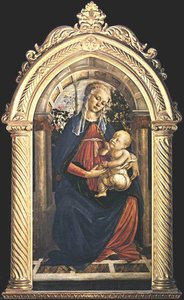
Примерить в интерьере
 Отправить
 Поделиться
 Подробнее
 Руководство

 Скачать
 Похожие объекты
 Рентгенография
 Слайд-шоу
 Q&A
Q&A Статистика
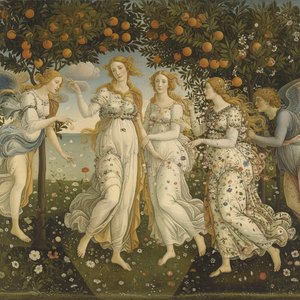
Весна (Primavera)


 Развернуть текст
Жикле / Арт-принты
Печать (жикле) или холст музейного качества с быстрыми сроками изготовления и широким выбором вариантов отделки. ( Заказать репродукцию ручной работы Перейти к цифровым изображениям)




P118B $10

P118H $10

P118W $10

P438Z $10

P508JH $12

P508YH $12

P805H $10

P805Z $10

P919BZ $10

P919G $10

P919XJ $10

P959ZH $10

P968JZ $12

W106C $8

W218G $10

W218JH $8

W218Y $10

W307PJ $10

W316G $10

W316PJ $8

W316Y $10

W398PJ $8

W4111J $10

W500HY $15

W500JH $15

W692G $12

W849H $8

W940BG $15

W953PJ $8




Выберите один из наших стандартных размеров, соответствующих оригинальным пропорциям произведения искусства.

Введите необходимую ширину и высоту, чтобы репродукция подошла к вашей раме или стене. При печати изображение можно только уменьшить, но нельзя увеличить больше оригинала, поэтому при выборе другого формата часть изображения может быть обрезана. Перед печатью мы отправим вам цифровой макет на утверждение. Изображение на этой странице не отображает реальную обрезку — ее можно увидеть только на макете.
Доставка по всему миру () за 2 недели вместо стандартных 4–5 недель. (1 Ноябрь)

Бесплатная экспресс-доставка по всему миру

Высококачественный льняной холст

Полное страхование при транспортировке

Гарантия возврата таможенных пошлин

Гарантия точного цветового соответствия

100-дневный период возврата (только при обнаружении дефектов)

Гарантия возврата 100% средств

Скидка при заказе нескольких работ
 Вариант со стеклом доступен только для размеров менее 110 см

Весна (Primavera)
Жикле / Арт-принты
Размер репродукции
-


Итоговая стоимость
$ 80
Встречайте "Весну" Боттичелли: Симфония Флорентийской Ренессанс
Сложно представить себе более иконичное изображение весны, чем “Весна” (Primavera) Сандро Боттичелли, написанная в 1482 году. Эта картина – не просто декоративный сюжет, а сложный аллегорический сад, воплощающий идеалы Флорентийской Ренессансы: любовь, красоту и возрождение. В деталях этого шедевра скрывается целый мир символов и философских размышлений, приглашающих зрителя к созерцанию и интерпретации.
Центральная Фигура: Грация и Спокойствие
Сердцем композиции является молодая женщина, окутанная роскошным венком из цветов. Ее лицо излучает нежную грацию и умиротворение – она словно воплощение самой весны. Боттичелли мастерски фокусирует внимание на ее лице и верхней части тела, используя обилие листвы для создания вокруг нее ореола, напоминающего распускающийся бутон. Необычайно для своего времени, художник использует очень мелкие мазки, создавая ощущение невероятной детализации и тактильности. Обратите внимание на то, как тонко прорисованы каждый лепесток и листик – это не просто украшение, а важный элемент общей символики.
Символы Флорентийской Аллегории
Вся картина пронизана аллегорическим содержанием. Каждый цветок, каждая фигура несет в себе определенный смысл, отражая гуманистические идеалы эпохи Возрождения и влияние классической мифологии. Розы символизируют любовь и красоту, афиносы – верность и мудрость, лилии – чистоту и невинность. В центре композиции – прекрасная Венера, богиня любви, окруженная тремя Грациями – девами, олицетворяющими грацию, наслаждение и радость. Над ними парит Меркурий, посланник богов, с жезлом, символизирующим мудрость и торговые пути. Справа – Зефир, ветерок весны, уносит прекрасную Климентию, превращая ее в Флоралу, богиню цветов. Вся эта сложная система образов создает впечатление гармоничного единства природы и человеческого духа.
Техника и Стиль: Элегантность Ренессанса
Боттичелли, мастерски владеющий техникой живописи по панели в масляных красках, создает произведение, поражающее своей плавностью и богатством цветов. Он использует тонкие, едва заметные мазки, которые придают картине ощущение глубины и объема. Обратите внимание на то, как художник добивается невероятной реалистичности в изображении лепестков и листьев – они кажутся почти осязаемыми. Этот стиль, сочетающий в себе элементы позднего готического искусства и зарождающейся Ренессансы, характеризуется элегантностью линий, гармонией форм и вниманием к деталям. Использование масляных красок позволило Боттичелли добиться невероятной насыщенности цвета и глубины тональности, что является одним из главных достоинств его творчества.
Исторический Контекст и Значение
“Весна” была создана в период расцвета флорентийского меценатства при поддержке семьи Медичи. В то время Флоренция являлась центром культурной жизни Италии, где процветали искусство, наука и философия. Картина отражает гуманистические идеалы эпохи Возрождения – интерес к классической мифологии, культ красоты и стремление к гармонии между человеком и природой. “Весна” стала символом нового времени, воплощением надежд и мечтаний о возрождении цивилизации.
Вопросы и ответы
В каком году было создано произведение «Весна (Primavera)», Боттичелли?
Создание «Весна (Primavera)», Боттичелли датируется 1482 годом.
К какому этапу карьеры Боттичелли относится произведение «Весна (Primavera)» (1482)?
Дата создания 1482 позволяет отнести «Весна (Primavera)» к Mature Period творчества Боттичелли.
Где рекомендуется размещать работу "Весна (Primavera)" в формате Вертикальная ориентация?
Формат (Вертикальная ориентация) и рекомендуемое пространство (Гостиная) — две характеристики размещения, указанные для «Весна (Primavera)», Боттичелли.
Биография художника
Early Life and Florentine Beginnings
Sandro Botticelli, born Alessandro di Mariano di Vanni Filipepi around 1445 in Florence, Italy, emerged during a period of extraordinary cultural ferment—the Early Renaissance. His life was deeply rooted in the city’s artistic and social fabric; he never strayed far from his neighborhood of Ognissanti, a testament to both familial ties and the vibrant creative ecosystem that nurtured him. His father, Mariano Filipepi, initially a goldsmith and later a tanner, provided an early exposure to craftsmanship and meticulous detail—qualities that would profoundly influence Botticelli’s artistic approach. Though initial reports suggested training as a goldsmith, he soon found his calling under the tutelage of Fra Filippo Lippi, a leading painter of the time. This apprenticeship proved pivotal, immersing him in the techniques and aesthetics of the Florentine school while also connecting him to influential patrons like the Medici family. Botticelli’s early years were shaped by the bustling atmosphere of Florence, a city brimming with artistic innovation and political intrigue—a backdrop that would profoundly impact his creative vision.A Style Defined by Grace and Myth
Botticelli’s artistic style is instantly recognizable for its lyrical beauty, characterized by elegant linearity, flowing contours, and a delicate use of color. He masterfully bridged the gap between the late Gothic traditions and the burgeoning Renaissance aesthetic, absorbing influences from masters like Fra Angelico and Paolo Uccello yet forging a uniquely personal vision. His figures possess an ethereal quality, often depicted with elongated proportions and graceful poses that convey both serenity and a subtle melancholy. A defining feature of his work is the frequent incorporation of classical mythology—a reflection of the humanist interests sweeping through Renaissance Florence. He didn’t merely illustrate these ancient tales; he imbued them with new layers of meaning, exploring themes of love, beauty, and spiritual longing. Botticelli's approach to composition was revolutionary for its time, moving away from the rigid conventions of medieval art towards a more dynamic and expressive style. His use of color was equally innovative, favoring delicate pastel hues that created an atmosphere of dreamlike beauty.Iconic Masterpieces and Artistic Development
Botticelli’s legacy rests upon a handful of iconic paintings that continue to captivate audiences centuries later. The Birth of Venus, completed around 1486, stands as perhaps his most celebrated work—an allegorical depiction of the goddess emerging from a seashell, embodying Renaissance ideals of beauty and harmony. Its graceful composition, delicate color palette, and evocative symbolism have made it an enduring symbol of the era. Equally renowned is Primavera, created around 1482, a complex and enigmatic painting celebrating spring and love, populated with symbolic figures drawn from classical mythology. These works showcase Botticelli’s mastery of composition, his ability to create atmospheric depth, and his profound understanding of human emotion. His artistic journey unfolded in distinct phases. The early 1470s saw him focusing on religious subjects, honing his technical skills and establishing a reputation for skillful execution. The 1480s marked the peak of his creative powers, with the creation of his most famous mythological paintings. However, the late 1490s witnessed a shift in his style, influenced by the fervent preaching of Girolamo Savonarola—a Dominican friar who condemned what he saw as the decadence and moral corruption of Florence. This period resulted in more austere and emotionally charged works, reflecting a growing spiritual intensity.Major Works
- The Birth of Venus (c. 1486): An iconic depiction embodying Renaissance ideals of beauty.
- Primavera (c. 1482): A complex allegorical painting celebrating spring and love.
- Adoration of the Magi (1475-1476): Demonstrates early mastery of composition and perspective.
- Mystic Nativity (1501): Reflects a shift towards spiritual themes in his later career.
Legacy and Rediscovery
Following his death in 1510, Botticelli’s reputation gradually faded into obscurity. For nearly three centuries, his work was largely forgotten, overshadowed by the achievements of High Renaissance masters like Leonardo da Vinci and Michelangelo. However, a remarkable rediscovery occurred in the late 19th century with the rise of the Pre-Raphaelite Brotherhood—a group of English artists who rejected academic conventions and sought inspiration in the art of the early Italian Renaissance. They were captivated by Botticelli’s linear grace, vibrant colors, and poetic sensibility, recognizing him as a kindred spirit. This renewed appreciation sparked a widespread reassessment of his work, establishing him as one of the most important artists of the Early Renaissance. Today, Botticelli is celebrated for his unique artistic vision, his masterful technique, and his enduring ability to evoke beauty, emotion, and spiritual contemplation. His influence can be seen in subsequent generations of artists who have sought to capture the same sense of grace and elegance in their own work. He remains a symbol of Florentine artistic achievement and a testament to the power of Renaissance humanism.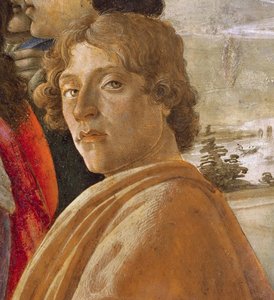
Боттичелли
1445 - 1510 , Италия
Краткая справка
- Artistic Movement Or Style: Раннего Возрождения
- Artists Or Movements Influenced By This Artist: ['Прерафаэлиты']
- Artists Who Influenced This Artist:
- Фра Филиппо Липпи
- Паоло Учелло
- Date Of Birth: 1445
- Date Of Death: 1510
- Full Name: Alessandro di Mariano Filipepi
- Nationality: Итальянский
- Notable Artworks:
- Рождение Венеры
- Весна
- Поклонение волхвов
- Place Of Birth: Флоренция, Италия
Похожие статьи

Топ-25 шедевров Сандро Боттичелли: искусство Ренессанса для вашего дома
Погрузитесь в мир Сандро Боттичелли! 25 шедевров Ренессанса – "Рождение Венеры", "Весна" и другие культовые картины. Узнайте историю, технику и вдохновение великого художника. Репродукции высокого качества для вашего интерьера на OriginalUniqueArt.com.
Mario Sironi: A Poetic of Modern Italian Identity Through Symbolism & Social Commentary
Explore the profound works of Mario Sironi, a key figure in Italian Modernism. Discover his evolution from Futurism to Metaphysical painting and his powerful social commentary. Learn about his legacy at OriginalUniqueArt.

25 Шедевров Уффици: Путешествие в Сердце Ренессанса | OriginalUniqueArt
Погрузитесь в мир Ренессанса с 25 шедеврами галереи Уффици! От Боттичелли до Леонардо да Винчи – истории, техники и вдохновение для вашего интерьера. Купите репродукции картин высочайшего качества на OriginalUniqueArt.com.
Топ-10 шедевров Раннего Возрождения: искусство для вашего дома от OriginalUniqueArt.com
Погрузитесь в эпоху Возрождения! Откройте 10 шедевров Леонардо да Винчи, Рафаэля и Боттичелли. Узнайте историю создания культовых картин и вдохновитесь для декора вашего дома с OriginalUniqueArt.com. Explore the full collection online!
The Ethereal Beauty of Botticelli: A Journey Through the Grace and Symbolism of Italian Renaissance Masterpieces
Explore the ethereal beauty of Sandro Botticelli's masterpieces. Delve into the profound symbolism, mythological grace, and technical mastery that define the Italian Renaissance through an expert art-historical lens.