
 Предпросмотр
 Поделиться
 Поделиться
 Детали произведения
 Руководство

 Скачать
 Похожие предметы
 Рентгенография
 Слайд-шоу
 Вопросы и ответы
 Статистика просмотров
Юдит

- 82.0 x 65.0 cm


 Читать далее
Получите файл, готовый к печати, качество которого значительно превосходит веб-превью. Каждое цифровое изображение в нашем каталоге создано на основе мастер-файла высокого разрешения — обычно шириной от 5 000 до 15 000 пикселей, — что позволяет вам уверенно печатать работы большого формата, использовать кадрирование или воспроизводить мельчайшие детали.
Ни один файл не покидает нашу студию без обработки. Эксперт по цифровой ретуши сверяет цвета с оригинальной картиной и при необходимости корректирует их, после чего повышает четкость и детализацию с помощью профессиональных инструментов — неизменно сохраняя верность мазкам кисти и стилю автора. В результате получается изображение, которое выглядит как подлинная живопись, а не как отсканированный снимок с наложенными фильтрами.
Вы одобряете результат до завершения заказа: наш эксперт отправит изображение по электронной почте в течение 72 часов для вашего ознакомления. Не удовлетворены результатом? Попросите внести правки или исправления, либо запросите возврат средств, если качество не соответствует ожиданиям.
Именно на это качество полагаются издательства, дизайн-студии, галереи и типографии.
Цифровое изображение
Скачайте файл высокого разрешения для личного использования, печати и творческих проектов. ( Перейти к печатным копиям Купить картину ручной работы)
Преимущества каждого заказа цифровых изображений
Гарантия профессиональной цифровой доставки изображений
Выбирая OriginalUniqueArt.com, вы получаете не просто изображение — вы приобретаете профессионально обработанное цифровое произведение искусства, созданное с безупречной точностью и под защитой гарантии качества. Вот всё, что автоматически входит в ваш заказ:

Мгновенная доставка по e-mail
Ваш цифровой файл в высоком разрешении будет отправлен по электронной почте в течение 72 часов после оформления заказа и сразу станет доступен для использования.

Цифровой файл с улучшением ИИ
Ваше произведение искусства проходит профессиональную оптимизацию с использованием передовых инструментов ИИ и ручной обработки, что гарантирует максимальную детализацию, четкость и точность цветопередачи.

Бесплатная пожизненная повторная отправка
Случайно удалили или потеряли файл? Не беспокойтесь — мы отправим его вам повторно в любое время и совершенно бесплатно.

Никаких импортных пошлин — никогда
Наслаждайтесь вашим произведением искусства мгновенно без таможенных пошлин, сборов или затрат на доставку — цифровые загрузки всегда не облагаются налогом.

Гарантия точности цветопередачи
Мы гарантируем максимально точное соответствие цветов цифрового изображения оригиналу благодаря использованию профессиональных инструментов и систем управления цветом.

Гарантия удовлетворенности 100 дней
Если вы не будете удовлетворены своим цифровым изображением, мы внесем правки или вернем 100% стоимости в течение 100 дней — без лишних вопросов.

100% Гарантия возврата средств
Не удовлетворены покупкой? Мы вернем вам полную стоимость в течение 100 дней после получения цифрового файла — без лишних вопросов.

Скидки на оптовые заказы
При покупке 3 изображений — скидка 10%; при покупке 5 — скидка 15%; от 10 изображений — скидка 20%. Отличное решение для творческих проектов, галерей и агентств.
Judith by Vincenzo Catena: A Venetian Echo of Classical Drama
Vincenzo Catena’s “Judith,” painted circa 1520, stands as a testament to the enduring fascination with biblical narratives within the Venetian Renaissance. This striking depiction captures a moment of decisive action—Judith, armed with a sword, presents the severed head of Holofernes to Abraam—a scene steeped in symbolism and executed with meticulous attention to detail that reflects the artistic currents circulating throughout Venice at the time.
Initially influenced by Giovanni Bellini’s serene palette and masterful composition, Catena swiftly moved beyond mere imitation. Giorgione's *colego*, as documented on La Laura’s backing, signaled a pivotal shift toward bolder experimentation. Following Giorgione’s untimely demise in 1510, Catena embraced the expressive dynamism championed by Titian, incorporating vibrant hues and textural nuances that would become hallmarks of his oeuvre.
- Style: Venetian Renaissance – Characterized by a harmonious blend of Byzantine tradition and classical ideals.
- Technique: Oil on wood panel – Catena skillfully employed layering techniques to achieve depth and luminosity, mirroring the advancements in pigment production during this period.
- Historical Context: The painting emerged against the backdrop of humanist scholarship and artistic revival fueled by rediscovered Greco-Roman texts. It reflects a preoccupation with moral virtue and heroic struggle—themes prevalent throughout Renaissance art.
The composition itself is deliberately theatrical, mirroring the dramatic conventions of classical sculpture. Judith’s posture exudes confidence and determination as she gazes towards an unseen figure, conveying both vulnerability and unwavering resolve. The stark contrast between the crimson dress and the pale flesh tones underscores the narrative's core conflict—the triumph of righteousness over barbarity.
More than just a visual representation of scripture, “Judith” embodies the Renaissance spirit’s desire to grapple with profound moral questions. Catena’s masterful rendering captures not only the physicality of the scene but also its psychological complexity, cementing its place as an iconic image of Venetian artistic achievement.
- Symbolism: The sword represents Judith's courage and defiance; Holofernes’ severed head symbolizes pagan oppression vanquished by divine providence.
- Emotional Impact: The painting evokes feelings of awe, contemplation, and admiration for the heroic spirit—a sentiment deeply rooted in Renaissance humanist ideals.
A reproduction of “Judith” offers an opportunity to bring this captivating artwork into your home or interior design project. OriginalUniqueArt’s high-quality reproductions faithfully capture Catena's artistic vision, allowing you to appreciate the beauty and intellectual depth of Venetian Renaissance art.
Вопросы и ответы
Какой формат и ориентацию печати рекомендуют для «Юдит», Vincenzo Catena?
Для «Юдит» рекомендуется использовать размер Большой размер и Портретная ориентация ориентацию.
Каковы права на воспроизведение произведения «Юдит» в Fondazione Querini Stampalia?
Статус авторского права на «Юдит», Vincenzo Catena однозначен: произведение находится в общественное достояние — срок действия авторского права истёк. Его нахождение в Fondazione Querini Stampalia не меняет этого статуса.
Какова воспринимаемая яркость произведения «Юдит», Vincenzo Catena?
В целом, для произведения «Юдит» зафиксирован уровень тень. Воспринимаемая яркость описывает, насколько светлым или темным кажется работа.
Биография художника
Vincenzo Catena: A Venetian Renaissance Painter
Life and Background
- Born in Venice, Italy around 1470, Vincenzo Catena was a painter of the Venetian Renaissance.
- Little is known about his early life or formal training. Records are scarce regarding his upbringing and initial artistic development.
- He was also sometimes referred to as Vincenzo de Biagio.
- Catena passed away in 1531, leaving behind a modest but significant body of work.
Artistic Development and Influences
- Initially, Catena’s style closely resembled that of Giovanni Bellini, a leading Venetian painter known for his serene Madonnas and refined technique.
- The earliest documented mention of Catena is an inscription on the back of La Laura by Giorgione, where he’s described as Giorgione's *colego* (colleague).
- However, it wasn’t until after Giorgione’s death in 1510 that his innovative influence began to manifest itself in Catena’s paintings.
- He also shows some influences from Titian, another prominent figure of the Venetian School, particularly in his use of color and composition.
Major Works and Style
- Approximately a dozen paintings are confidently attributed to Catena based on signatures.
- The Martyrdom of St. Christina (1520), located in the church of Santa Maria Mater Domini in Venice, is his most securely dated work thanks to an inscription on its marble surround.
- Other notable works include The Adoration of the Shepherds, and several depictions of the Madonna and Child with Saints and Donors.
- Catena’s paintings often feature religious scenes and portraits, characterized by a blend of Bellini's precision and Giorgione’s atmospheric qualities.
- His style is marked by detailed realism, warm color palettes, and rich symbolism, typical of Venetian Renaissance art.
Historical Significance and Legacy
- While not as widely celebrated as some of his contemporaries like Titian or Giorgione, Catena played a role in the development of Venetian painting during a crucial period.
- His work demonstrates the transition between the High Renaissance and the emerging Mannerist styles.
- Wills left by Catena reveal he was a man of considerable wealth and had connections within Venetian humanist circles, suggesting his artistic success extended beyond purely aesthetic recognition.
- Today, Vincenzo Catena’s paintings are valued for their historical importance and offer insights into the artistic landscape of 16th-century Venice.
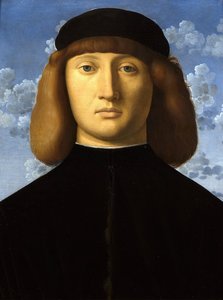
Vincenzo Catena
1470 - 1531 , Italy
Основные сведения
- Name: Vincenzo Catena
- Movement: Renaissance, Venetian School
- Birth Date: 1470
- Death Date: 1531
- Birth Place: Venice, Italy
- Nationality: Italian
- Date Of Birth: 1470
- Date Of Death: 1531
- Influenced By:
- Giovanni Bellini
- Giorgione
- Notable Works:
- Santa Cristina Altarpiece
- The Adoration of the Shepherds
- Madonna and Child with a Holy Female Martyr, Saint Francis of Assisi and the Donor
- Place Of Birth: Venice, Italy