
 Предпросмотр
 Поделиться
 Поделиться
 Детали произведения
 Руководство

 Скачать
 Похожие предметы
 Рентгенография
 Слайд-шоу
 Вопросы и ответы
 Статистика просмотров
Вход в Сиену


 Читать далее
Жикле и арт-принты
Печать (жикле) или холст музейного качества с быстрыми сроками изготовления и широким выбором вариантов отделки. ( Купить картину ручной работы Перейти к цифровым изображениям)




P118B $10

P118H $10

P118W $10

P438Z $10

P508JH $12

P508YH $12

P805H $10

P805Z $10

P919BZ $10

P919G $10

P919XJ $10

P959ZH $10

P968JZ $12

W106C $8

W218G $10

W218JH $8

W218Y $10

W307PJ $10

W316G $10

W316PJ $8

W316Y $10

W398PJ $8

W4111J $10

W500HY $15

W500JH $15

W692G $12

W849H $8

W940BG $15

W953PJ $8




Выберите один из наших стандартных размеров, соответствующих оригинальным пропорциям произведения искусства.

Введите необходимую ширину и высоту, чтобы репродукция подошла к вашей раме или стене. При печати изображение можно только уменьшить, но нельзя увеличить больше оригинала, поэтому при выборе другого формата часть изображения может быть обрезана. Перед печатью мы отправим вам цифровой макет на утверждение. Изображение на этой странице не отображает реальную обрезку — ее можно увидеть только на макете.
Доставка по всему миру () за 2 недели вместо стандартных 4–5 недель. (4 Ноябрь)

Бесплатная экспресс-доставка по всему миру

Высококачественный льняной холст

Полное страхование при доставке

Гарантия возмещения таможенных пошлин

Гарантия точного цветового соответствия

100-дневная гарантия возврата (только при обнаружении дефектов)

Гарантия возврата 100% средств

Скидка при оптовом заказе
 Вариант со стеклом доступен только для размеров менее 110 см

Вход в Сиену
Жикле и арт-принты
Размер репродукции
-


Итоговая стоимость
$ 81
Встреча у Сиены: Шедевр Сузанны Изабель Дакер
Картина «Встреча у Сиены» художницы Сузанны Изабель Дакер (1844–1933) – это не просто изображение городской улицы; это воплощение эпохи викторианской Англии, отражение стремлений женщин к образованию и независимости, а также тонкий намек на красоту повседневной жизни.
- Художник: Сузана Изабель Дакер – британская художница начала XX века, известная своими проникновенными портретами и итальянскими пейзажами. Она была одним из основателей Манчестерского общества женщин художниц и сыграла важную роль в развитии женского искусства в Великобритании.
- Год создания: Точная дата создания картины неизвестна, однако она относится к периоду активного расцвета викторианской культуры и художественного движения.
- Материалы и техника: Дакер использовала масло на холсте, что позволило добиться реалистичной передачи света и тени, создавая ощущение глубины и объемности изображения. Ее мастерство особенно заметно в детальной прорисовке архитектуры и текстуры кирпичной арки центрального элемента картины.
- Стиль: Картина принадлежит к жанру городского пейзажа и отличается спокойной элегантностью и вниманием к деталям. Дакер придерживалась традиций английской живописи того времени, но в то же время проявляла оригинальность и индивидуальный стиль.
Исторический контекст работы также имеет значение. Эпоха викторианства была временем социальных перемен и борьбы за права женщин. Дакер сама была активной участницей этих движений и ее искусство отражает эти идеи свободы и самовыражения.
Архитектурный элемент картины – кирпичная арка с часами – является символом времени и истории, а также напоминанием о важности сохранения культурного наследия. Часы подчеркивают ритм жизни города и добавляют картине ощущение движения и энергии.
Эмоциональное воздействие работы заключается в создании атмосферы спокойствия и умиротворения. Использование мягких тонов и светотени позволяет зрителю ощутить красоту природы и гармонию человеческой жизни. Картина вызывает чувство ностальгии по прошлому и вдохновляет на размышления о ценностях истинной культуры и искусства.
Вопросы и ответы
Кто является автором работы «Вход в Сиену»?
Автор произведения «Вход в Сиену» — Сузанна Изабель Дакер. Работа внесена в каталог под именем Сузанна Изабель Дакер.
Какова техника и стиль произведения «Вход в Сиену»?
«Вход в Сиену» выполнено в технике Акрил на холсте в стиле Victorian realism.
Можно ли посмотреть рентгеновский снимок «Вход в Сиену», Сузанна Изабель Дакер?
Страница Рентгеновское исследование произведения «Вход в Сиену», Сузанна Изабель Дакер представляет собой интерактивный просмотрщик, позволяющий изучать одиннадцать оптических слоев изображения, включая рентгеновский вид.
Биография художника
A Life Painted in Resilience: The Story of Susan Isabel Dacre
Susan Isabel Dacre, born in 1844 amidst the vibrant and rapidly changing landscape of Victorian Britain, was an artist whose life transcended the limitations imposed upon women of her era. More than simply a painter, she embodied a quiet revolution – a testament to resilience, artistic dedication, and a profound commitment to social justice. Her journey, spanning nearly nine decades into the early 20th century, mirrored the shifting currents of artistic expression while simultaneously challenging the restrictive societal expectations placed upon women artists. Born in Leamington Spa, a town renowned for its elegant Regency architecture and thriving cultural scene, Dacre’s formative years were marked by both privilege and hardship, experiences that would profoundly shape her artistic vision.Early Years and Artistic Beginnings
Dacre's early life was characterized by a blend of formal education and practical experience. She received instruction at a convent school in Salford, an institution common for girls of the time, but it wasn’t until she moved to Manchester with her widowed mother that her artistic path truly began to unfold. Her mother, a shrewd businesswoman who ran the Stamford Arms hotel – a bustling hub of social activity and a vital stop on the coaching routes connecting London and the North – provided a more stable and stimulating environment. This exposure to a diverse clientele, including prominent figures from across England, ignited Dacre’s curiosity about the world beyond her immediate surroundings. Crucially, it was during this period that she began to experiment with drawing, initially as a pastime but quickly revealing a remarkable talent. A pivotal moment occurred when she attempted to replicate a painting by Jean-Baptiste de la Croix, known as De Heem – a master of Dutch still life. Her remarkably accurate copy caught the attention of her mother’s friend, Anthony Trollope, the celebrated novelist, who encouraged her to pursue art seriously. This early recognition served as a catalyst, solidifying Dacre's determination to dedicate herself to painting.Artistic Development and Influences
Upon returning to England in 1871, Dacre enrolled at the Manchester School of Art, where she quickly established herself as a gifted student. She won the prestigious Queen’s Prize in 1875 – a significant achievement for a woman artist at that time – which propelled her career forward. Her style evolved from meticulous realism, reminiscent of much Victorian art, towards a more nuanced and emotionally resonant approach. While pinpointing specific artistic influences is challenging due to limited documentation, there's evidence suggesting an openness to the burgeoning Impressionistic movement. The influence of Lord Leighton, a prominent Pre-Raphaelite painter known for his atmospheric landscapes and elegant portraits, is also noteworthy. During a visit to Capri, he provided valuable observations on painting techniques and composition, demonstrating a willingness from established male artists to mentor emerging female talent. Dacre’s portraits, however, remained central to her practice; she possessed a remarkable ability to capture the character and individuality of her subjects with sensitivity and insight. Her landscapes, too, were imbued with a quiet beauty, reflecting an appreciation for the natural world.Themes and Notable Works
Dacre's oeuvre is remarkably diverse, encompassing evocative landscapes, intimate genre scenes, and compelling portraits. Italian Women in Church, painted during her time in Italy, exemplifies her ability to capture emotional resonance through subtle gestures and atmospheric composition – a testament to the experiences she gained during her formative years abroad. Her fascination with Italy continued throughout her career, as evidenced by works like Assisi from Perugia and Assisi from the City Walls, where she masterfully conveys the beauty and tranquility of the Italian countryside using soft brushstrokes and muted tones. These landscapes aren’t merely depictions of scenery; they are imbued with a sense of peace and contemplation. Perhaps one of her most tender pieces, The Artist’s Mother, showcases her skill in portraying familial bonds with remarkable sensitivity and grace – a reflection of the close relationship she shared with her own mother. Recurring themes throughout her work include a celebration of female strength and individuality – often evident in her portraits – alongside an enduring appreciation for the beauty of nature and glimpses into everyday Victorian life. These weren’t merely aesthetic choices; they were reflections of her own values and beliefs, subtly challenging conventional representations of women and society.A Champion of Women Artists and Suffrage
Beyond her artistic achievements, Susan Isabel Dacre was a passionate advocate for women's rights and opportunities within the art world. In 1876, alongside Annie Louise Swynnerton, she co-founded the Manchester Society of Women Artists – a crucial step towards creating a supportive community for female artists who faced significant barriers to recognition and professional advancement. This society provided a platform for women to exhibit their work, network with peers, and challenge the prevailing patriarchal structures within the art establishment. Dacre served as president of this vital organization for many years, demonstrating her leadership and unwavering commitment to fostering inclusivity. Furthermore, she was an active member of the Manchester National Society for Women's Suffrage, tirelessly campaigning for women’s right to vote – a cause that resonated deeply with her belief in social justice and equality. Her dedication extended beyond mere advocacy; she actively participated in suffrage meetings and demonstrations, embodying the spirit of rebellion against societal constraints.Legacy and Historical Significance
Susan Isabel Dacre passed away in 1933, leaving behind a rich legacy as both an artist and an activist. Her paintings – characterized by their emotional depth, technical skill, and subtle social commentary – continue to be admired for their beauty and historical significance. More importantly, she served as an inspiration to future generations of women artists, demonstrating that it was possible to pursue a creative career while simultaneously challenging societal norms and advocating for social change. Dacre’s life stands as a powerful reminder of the importance of perseverance, artistic vision, and the courage to fight for what one believes in. She wasn't simply a painter; she was a pioneer who helped shape a more inclusive and equitable future for women artists – ensuring that their voices would be heard and their talents celebrated long after her passing.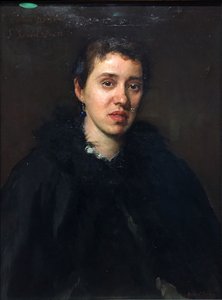
Сузанна Изабель Дакер
1844 - 1933 , Великобритания
Об авторе
- Artistic Movement Or Style: Реализм, романтизм
- Date Of Birth: 1844
- Full Name: Susan Isabel Dacre
- Nationality: Британка
- Notable Artworks:
- Итальянские женщины в церкви
- Вид из Ассизи
- Мать художника
- Place Of Birth: Леамтинген Спей, Великобритания
Похожие статьи
Concrete Narratives: Exploring Urban Life in Modern & Contemporary Art
Explore the evolution of cityscape painting with OriginalUniqueArt. Discover key artists from Realism to contemporary movements & invest in timeless urban visions. Expert guidance, museum-quality reproductions.

Concrete Visions: Exploring Representations of Urban Life in Modern & Contemporary Art
Explore the evolution of cityscape painting from Realism to contemporary art. Discover key artists & invest in timeless urban visions with OriginalUniqueArt's expert guidance and museum-quality reproductions.

Concrete Visions: Exploring the Urban Landscape in Painting – From Realism to Contemporary Art
Explore the evolution of cityscape painting from Realism to contemporary art with OriginalUniqueArt. Discover key artists & invest in timeless urban visions. Expert guidance, museum-quality reproductions.
Urban Visions: A Historical & Artistic Exploration of the Cityscape in Painting
Explore the evolution of cityscape painting from historical maps to Impressionist masterpieces. Discover artists like Caillebotte, Utrillo & Matsumoto Shunsuke. Find museum-quality reproductions at OriginalUniqueArt.
Urban Visions: A Historical & Artistic Exploration of the Cityscape in Painting
Explore the evolution of cityscape painting from historical maps to Impressionist masterpieces. Discover artists like Caillebotte & Utrillo. Find museum-quality reproductions at OriginalUniqueArt.


