Примерить в интерьере
 Отправить
 Поделиться
 Подробнее
 Руководство

 Скачать
 Похожие объекты
 Рентгенография
 Слайд-шоу
 Q&A
Q&A Статистика
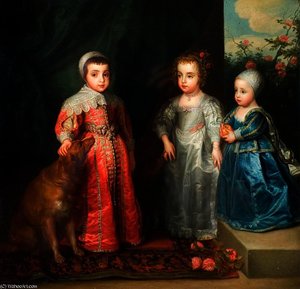
Дети Карла I

 Развернуть текст
Жикле / Арт-принты
Печать (жикле) или холст музейного качества с быстрыми сроками изготовления и широким выбором вариантов отделки. ( Заказать репродукцию ручной работы Перейти к цифровым изображениям)




P118B $10

P118H $10

P118W $10

P438Z $10

P508JH $12

P508YH $12

P805H $10

P805Z $10

P919BZ $10

P919G $10

P919XJ $10

P959ZH $10

P968JZ $12

W106C $8

W218G $10

W218JH $8

W218Y $10

W307PJ $10

W316G $10

W316PJ $8

W316Y $10

W398PJ $8

W4111J $10

W500HY $15

W500JH $15

W692G $12

W849H $8

W940BG $15

W953PJ $8




Выберите один из наших стандартных размеров, соответствующих оригинальным пропорциям произведения искусства.

Введите необходимую ширину и высоту, чтобы репродукция подошла к вашей раме или стене. При печати изображение можно только уменьшить, но нельзя увеличить больше оригинала, поэтому при выборе другого формата часть изображения может быть обрезана. Перед печатью мы отправим вам цифровой макет на утверждение. Изображение на этой странице не отображает реальную обрезку — ее можно увидеть только на макете.
Доставка по всему миру () за 2 недели вместо стандартных 4–5 недель. (1 Ноябрь)

Бесплатная экспресс-доставка по всему миру

Высококачественный льняной холст

Полное страхование при транспортировке

Гарантия возврата таможенных пошлин

Гарантия точного цветового соответствия

100-дневный период возврата (только при обнаружении дефектов)

Гарантия возврата 100% средств

Скидка при заказе нескольких работ
 Вариант со стеклом доступен только для размеров менее 110 см

Дети Карла I
Жикле / Арт-принты
Размер репродукции
-


Итоговая стоимость
$ 80
О великолепном портрете детей короля Чарльза I ван Дыка
Портрет детей короля Чарльза I является одним из самых ярких произведений английского барокко и представляет собой поистине впечатляющий пример художественного мастерства Сиднея Смита ван Дыка. Созданный в 1641 году, этот шедевр искусства не только запечатлевает прекрасную юность наследника престола и его супруги Марии Стюарт, но и является свидетельством эпохи роскоши и придворной культуры XVII века. Художник сумел передать не только физическую внешность членов королевской семьи, но и их внутренний мир, создавая произведение искусства, которое продолжает вдохновлять искусствоведов и коллекционеров по всему миру.Стиль и Техника: Элегантная Изящность Барокко
Ван Дык был одним из самых выдающихся представителей стиля барокко в Англии, и этот портрет является ярким воплощением его художественного мировоззрения. Художник использовал классическую композицию и светотень для создания глубокого эмоционального воздействия на зрителя. Особое внимание уделено деталям одежды и аксессуарам детей – они выполнены с невероятной точностью и мастерством, демонстрируя высочайший уровень ремесленничества того времени. Использование золота и драгоценных камней подчеркивает богатство и статус королевской семьи, создавая ощущение роскоши и величия. Ван Дык работал преимущественно в масляных красках на холсте, что обеспечило ему максимальную гибкость в передаче световых эффектов и текстуры поверхности.Исторический Контекст: Эпоха Королевской Доминации и Символизм Благородства
Портрет детей Чарльза I был создан в период расцвета английской монархии и является символом стабильности и благородства королевского дома. Этот портрет отражает идеалы эпохи барокко – стремление к красоте, гармонии и величию формы. Дети изображены в окружении роскошной обстановки и одежды, что подчеркивает их положение в обществе и указывает на важность наследственной линии для сохранения государственного достоинства. Важно отметить использование символических элементов в композиции картины – например, поза детей демонстрирует уверенность и спокойствие, а одежда является отражением модных тенденций того времени. Этот портрет служит напоминанием о величии английской истории и искусства XVII века.Эмоциональное Воздействие: Идеальная Юность и Вечная Красота
Художник сумел передать не только физическую внешность детей Чарльза I, но и их внутренний мир, создавая произведение искусства, которое вызывает чувство восхищения и благоговения. Выражение лиц детей спокойное и уверенное, что говорит о внутренней гармонии и благородстве характера. Использование мягкого освещения подчеркивает красоту юной кожи и волос, создавая ощущение тепла и света. Этот портрет является прекрасным примером искусства барокко как средства выражения эмоций и передачи идеалов эпохи – он вдохновляет зрителя на размышления о красоте жизни и важности сохранения традиций и культуры.- Эта работа идеально подходит для украшения интерьера в стиле классики или английского барокко.
- Высококачественная репродукция позволяет сохранить оригинальный стиль и атмосферу картины.
- Идеальный подарок для любителей искусства и истории!
Вопросы и ответы
К какому художественному направлению относится «Дети Карла I», Антоний Ван Дейк?
«Дети Карла I», Антоний Ван Дейк относится к направлению Baroque Elegance. Это направление определяет стилистический контекст произведения.
Насколько насыщенны цвета в работе "Дети Карла I"?
В работе «Дети Карла I», Антоний Ван Дейк запечатлена Приглушенный цвет насыщенность и Монохромный интенсивность цвета.
Каким образом «Дети Карла I», Антоний Ван Дейк связывает Baroque Elegance с родиной художника?
Работа в стиле Baroque Elegance «Дети Карла I» была создана художником, уроженцем Бельгия.
Биография художника
A Flemish Master at the Courts of Europe
Sir Anthony van Dyck, born in Antwerp in 1599, emerged as one of the most celebrated and influential portraitists of the Baroque era. His life, though tragically cut short at just forty-two years old, was a whirlwind of artistic exploration and prestigious commissions that took him from his native Flanders to Italy and ultimately to the heart of the English court. From an early age, van Dyck displayed remarkable talent, entering Hendrick van Balen’s workshop as a young apprentice and quickly absorbing the prevailing styles of the time. However, it was his association with Peter Paul Rubens – not merely as a student but as a collaborator – that truly shaped his artistic foundation. He learned from Rubens' dynamic compositions, rich color palettes, and masterful handling of light and shadow, yet van Dyck soon began to forge his own distinct path, one characterized by an elegance and refinement that would become his signature. This early influence is evident in the dramatic lighting and emotional intensity found in many of his works, a direct inheritance from Rubens’s powerful style.Italian Sojourns and the Birth of a Style
The years van Dyck spent in Italy, beginning around 1621, proved pivotal in his artistic development. He resided primarily in Genoa, where he found favor among the city’s aristocratic families. It was here that he began to cultivate the sophisticated style for which he would become renowned – a style marked by graceful poses, luxurious fabrics, and an almost palpable sense of nobility. Unlike the robust energy often found in Rubens' work, van Dyck’s Italian portraits exuded a refined composure, capturing not just physical likeness but also the inner character and social standing of his sitters. He meticulously studied the works of Titian and other Italian masters, absorbing their techniques for rendering skin tones, drapery, and atmospheric perspective. During this period, he also embarked on his *Iconography*, a series of meticulously rendered portrait etchings featuring prominent figures of his time – artists, scholars, and rulers alike. This project showcased his exceptional technical skill and established him as a leading printmaker; the intricate detail and subtle nuances in these images demonstrated his mastery of the etching process. These etchings weren’t simply records; they were carefully constructed images designed to immortalize the subjects and convey their status and intellect, reflecting a deliberate artistic intent beyond mere documentation.The King's Painter: Van Dyck in England
In 1632, van Dyck received an invitation that would forever alter his career trajectory – a summons from Charles I of England to become the court painter. This appointment marked a turning point, not only for van Dyck but also for English portraiture. He arrived in London with a considerable reputation and quickly became indispensable to the king, tasked with creating images that projected an aura of power, majesty, and divine right. Van Dyck’s portraits of Charles I are particularly noteworthy; he moved away from the stiff, formal representations favored by earlier artists, instead portraying the king as a dynamic, charismatic leader. He employed innovative techniques – dramatic lighting, sweeping gestures, and carefully chosen backgrounds – to create images that were both visually stunning and politically charged. His influence extended beyond the royal family, shaping the visual culture of the English aristocracy for generations to come. He didn’t just paint portraits; he crafted an image of kingship, influencing how royalty was perceived for over a century. The relationship between van Dyck and Charles I was complex, evolving from professional admiration to genuine friendship, reflected in the intimacy and warmth captured within many of the paintings.Legacy and Enduring Influence
Van Dyck's untimely death in 1641 robbed the art world of a prodigious talent, but his legacy endures to this day. His impact on English portraiture is immeasurable; he established a standard of elegance and sophistication that subsequent artists would strive to emulate.- Technical Innovation: He was a master of both oil painting and etching, constantly experimenting with new techniques – particularly in the use of light and shadow to create depth and drama.
- Stylistic Refinement: His portraits are characterized by their graceful poses, luxurious fabrics, and subtle psychological insights; he possessed an uncanny ability to capture not just appearance but also character and mood.
- Courtly Influence: He transformed the image of the English monarchy, creating a visual language of power and prestige that shaped perceptions for decades.
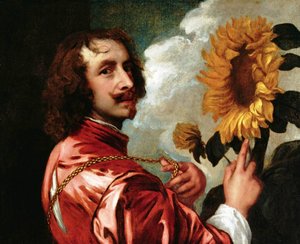
Антоний Ван Дейк
1599 - 1641 , Бельгия
Краткая справка
- Artistic Movement Or Style: Барокко
- Artists Or Movements Influenced By This Artist: ['Английская живопись']
- Artists Who Influenced This Artist: ['Пьер Паоло Рубенс']
- Date Of Birth: 22 марта 1599
- Date Of Death: 9 декабря 1641
- Full Name: Sir Anthony van Dyck
- Nationality: Нидерландский
- Notable Artworks:
- Портрет женщины и ребенка
- Самёт короля Карла I
- Лорд Джон Стюарт и брат
- Благотворительность
- Карл I в трёх позах
- Place Of Birth: Антверпен, Бельгия
Похожие статьи

Топ-10 шедевров голландского барокко: искусство для вашего интерьера от OriginalUniqueArt.com
Погрузитесь в мир голландского барокко! От Рембрандта до Вермеера – 10 шедевров, изменивших искусство. Узнайте истории создания и технику великих мастеров. Репродукции картин высочайшего качества для вашего интерьера на OriginalUniqueArt.com.
Cornelis van Poelenburch: Bridging Mannerism & the Dutch Baroque Landscape
Discover Cornelis van Poelenburch, a pivotal Dutch Baroque landscape painter bridging Mannerism & Italianate styles. Explore his life, key works, and lasting influence on 17th-century art with OriginalUniqueArt.
Sir Anthony van Dyck: Courtly Portraiture & the Shaping of Baroque Identity
Explore the life & legacy of Sir Anthony van Dyck, the leading court painter of his era. Discover his innovative portraiture, Baroque masterpieces, and investment potential for discerning collectors. Learn more at OriginalUniqueArt.

Chiaroscuro and Character: A Definitive Guide to Light and Shadow in the Dutch Baroque Era
Explore the dramatic mastery of the Dutch Baroque era. Discover how masters like Rembrandt used chiaroscuro to transform everyday life into timeless art. An expert guide for collectors and enthusiasts seeking to understand the profound interplay of light and shadow.

Рембрандт ван Рейн: Топ-25 шедевров великого голландского мастера | OriginalUniqueArt
Погрузитесь в мир великого Рембрандта! 25 шедевров голландского барокко, истории создания картин и уникальные техники художника. Купите репродукции картин Рембрандта высочайшего качества для вашего интерьера на OriginalUniqueArt.com