
 Предпросмотр
 Поделиться
 Поделиться
 Детали произведения

 Скачать
 Похожие работы
 Рентгенография
 Слайд-шоу
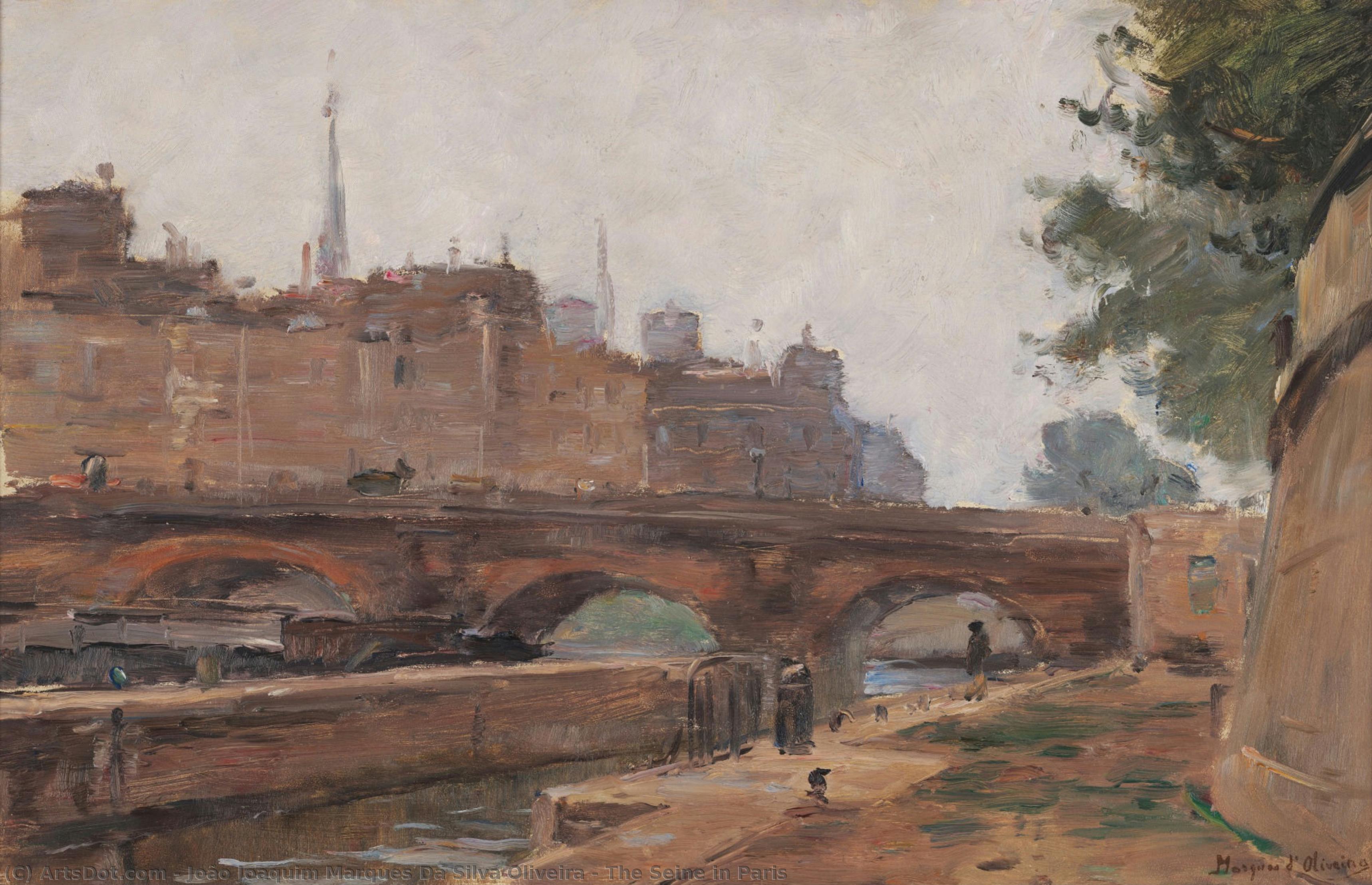
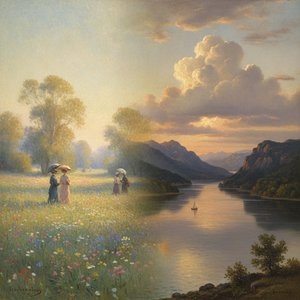
Эль Сеин в Париже
 Масло на холсте
- Настенный декор
- Impressionism
 1906
1906 29.0 x 45.0 cm
 Grão Vasco National Museum
 Читать далее
Масляная репродукция ручной работы
Картина маслом на холсте в выбранном вами размере и раме, написанная на заказ нашими художниками. ( Перейти к печати Переключиться на изображение)




P118B $10

P118H $10

P118W $10

P438Z $10

P508JH $12

P508YH $12

P805H $10

P805Z $10

P919BZ $10

P919G $10

P919XJ $10

P959ZH $10

P968JZ $12

W106C $8

W218G $10

W218JH $8

W218Y $10

W307PJ $10

W316G $10

W316PJ $8

W316Y $10

W398PJ $8

W4111J $10

W500HY $15

W500JH $15

W692G $12

W849H $8

W940BG $15

W953PJ $8




Выберите один из наших стандартных размеров, соответствующих оригинальным пропорциям произведения искусства.

Вы можете указать собственные размеры, чтобы картина идеально вписалась в выбранную раму или пространство. Если выбранный вами размер не соответствует пропорциям оригинала, мы либо обрежем полотно, либо расширим его за счет дополнительных элементов, написанных вручную. Цифровой макет будет отправлен вам на утверждение перед началом производства.
Обратите внимание, что предварительный просмотр на экране не отражает фактическую обрезку или расширение. Только макет точно покажет окончательную композицию.
Хотя доступны индивидуальные размеры, мы рекомендуем выбирать вариант из предопределенного списка, чтобы сохранить исходные пропорции.
После оформления заказа команда OriginalUniqueArt.com свяжется с клиентом по электронной почте для уточнения деталей и предоставит предварительный макет
Доставка по всему миру () за 3–4 недели вместо стандартных 5 недель. (11 Август). Без компромиссов в качестве.

Бесплатная экспресс-доставка по всему миру

Высококачественный льняной холст

Полное страхование доставки

Гарантия возмещения таможенных пошлин

Гарантия точного соответствия цветов

Политика возврата в течение 60 дней (только при наличии дефектов)

Гарантия возврата 100% средств

Предложение оптовых скидок
 Вариант со стеклом доступен только для размеров менее 110 см

Эль Сеин в Париже
Техника репродукции
Размер репродукции
-


Итоговая стоимость
$ 300
Описание произведения
João Joaquim Marques da Silva Oliveira: A Silent Ode to Parisian Dusk
João Joaquim Marques de Oliveira (1853-1927) stands as a cornerstone of Portuguese landscape painting, particularly renowned for his masterful depictions of the Seine River in Paris. More than just capturing a visual scene, Oliveira sought to distill the very essence of the city – its melancholic beauty and timeless spirit – into canvases imbued with subtle hues and evocative textures. His work exemplifies the naturalist tradition championed during his formative years at Porto’s École Supérieure des Beaux-Arts, yet it transcends mere observation, embracing a contemplative approach that anticipates the avant-garde movements blossoming in Europe.- Subject Matter: Oliveira's focus was unwavering – the Seine River at dusk. He meticulously rendered its meandering course beneath a hazy sky, punctuated by the soft glow of streetlights and the distant silhouettes of buildings. This deliberate selection of subject matter reflects a fascination with capturing fleeting moments of atmospheric beauty, characteristic of Impressionism’s burgeoning influence.
- Style: Oliveira's style leans heavily into Impressionistic principles without fully embracing their radical experimentation. He employs loose brushstrokes and blended pigments to convey the diffused light of twilight, prioritizing tonal harmony over precise detail. This technique prioritizes capturing the feeling of a place rather than its literal representation – a hallmark of the era’s artistic sensibilities.
- Technique: Oliveira favored oil paint on canvas, utilizing layering techniques to build up depth and luminosity. He skillfully manipulated color palettes—primarily muted grays accented by delicate rose-colored and golden hues—to evoke a sense of nostalgia for Paris during his student days. The artist’s meticulous attention to texture contributes significantly to the painting's overall impact, mirroring Corot’s pioneering explorations into capturing natural light and atmosphere.
Historical Context: Cézanne’s Legacy and the Birth of Cubism
Oliveira’s artistic journey coincided with a pivotal moment in art history – the retrospective exhibition dedicated to Paul Cézanne, which profoundly impacted young artists like Braque and Picasso. Cézanne's groundbreaking approach to depicting form and space challenged academic conventions, paving the way for movements such as Cubism, which Oliveira subtly acknowledges through his compositional choices. The painting’s stillness—a deliberate rejection of dynamic movement—mirrors Cézanne’s insistence on simplifying forms while preserving their underlying structure.- Influence: Cézanne's influence is palpable in Oliveira’s restrained palette and geometric structuring of the scene, demonstrating how artistic innovation reverberates across generations.
- Cubist Echoes: The fragmented depiction of architectural elements—particularly the bridge—hints at the burgeoning Cubist aesthetic, where artists dismantle traditional perspective to represent multiple viewpoints simultaneously.
Symbolism and Emotional Resonance
Oliveira’s masterful use of color—the dominant gray tones interwoven with rose-colored and golden chords—transcends mere visual representation. These hues convey a profound sadness, yet not one of despair but rather of contemplative melancholy – an emotion deeply rooted in the painting's timelessness. The artist eschews confrontation with reality, instead inviting viewers into a realm of quiet introspection.- Mood: Oliveira’s intention was to capture the elusive mood of twilight—a moment suspended between day and night—reflecting Corot’s celebrated ability to convey atmospheric emotion through landscape painting.
- Timelessness: The painting's enduring appeal lies in its refusal to impose a narrative or didactic message, allowing viewers to engage with it on an emotional level – experiencing the subtle beauty of Paris as Oliveira perceived it.
Conclusion: A Masterpiece of Naturalist Impressionism
João Joaquim Marques da Silva Oliveira’s “The Seine in Paris” remains a testament to the enduring power of observation and artistic sensitivity. It exemplifies the harmonious blend of naturalist tradition with Impressionistic innovation, securing its place as an iconic work within Portuguese art history and continuing to inspire admiration for its serene beauty and profound emotional depth.Биография художника
A Life Immersed in Light and Learning: The World of João Joaquim Marques de Oliveira
João Joaquim Marques da Silva Oliveira, a name resonant within the annals of Portuguese art, was more than simply a painter; he was a pivotal figure who bridged artistic innovation with dedicated education. Born in Porto in 1853, his life unfolded against a backdrop of evolving artistic styles and a burgeoning national identity. From an early age, a clear inclination towards visual expression led him to the Escola Superior de Belas-Artes do Porto at just eleven years old. This formal training provided a solid foundation, but it was his subsequent journey to France – specifically, the prestigious École des Beaux-arts – that truly ignited his artistic development. There, under the tutelage of masters like Alexandre Cabanel and Adolphe Yvon, he absorbed the nuances of academic painting while simultaneously venturing into explorations with colleagues such as António da Silva Porto. These formative years weren’t confined to Parisian studios; extensive travels through Belgium, England, the Netherlands, and Italy broadened his perspective, exposing him to diverse landscapes and artistic traditions that would profoundly influence his future work. His early participation in the Salons of 1876 and 1878 signaled a promising start, showcasing an emerging talent poised to make its mark on the European art scene.Pioneering Plein-Air and Shaping Artistic Education
Upon his return to Porto in 1879, Marques de Oliveira didn’t merely practice his art; he actively disseminated new ideas. He became a champion of plein-air painting – the act of painting outdoors directly from nature – a revolutionary concept for Portugal at the time. This commitment to capturing the immediacy of light and atmosphere would become a defining characteristic of his style, imbuing his landscapes with a sense of vibrant realism. Simultaneously, he became deeply involved in the artistic community, serving as Vice-President of the Centro Artístico Portuense, an organization dedicated to fostering creativity and innovation. However, perhaps his most enduring legacy lies in his decades-long commitment to art education. From 1881 until 1926, he served as a professor at the Academy in Porto, eventually rising to the position of Director. He wasn’t simply imparting technical skills; he was cultivating a new generation of artists, instilling in them a passion for observation, a dedication to craftsmanship, and an appreciation for the power of artistic expression. Among his notable students were Aurélia de Sousa and Lino António, both of whom would become significant figures in Portuguese art.Naturalism’s Embrace: Themes and Techniques
Marques de Oliveira's artistic style is firmly rooted in Naturalism, a movement that sought to depict the world with unflinching realism, often focusing on everyday life and landscapes. His paintings are characterized by meticulous attention to detail, a subtle yet masterful handling of light and shadow, and a profound sense of atmosphere. While he explored various subjects throughout his career, he is particularly renowned for his serene landscapes and evocative seascapes. Works like Marina, housed in the Casa-Museu Dr. Anastácio Gonçalves in Lisbon, exemplify his ability to capture the tranquility and beauty of the Portuguese coastline. His paintings aren’t merely representations of places; they are imbued with a sense of mood and emotion, inviting viewers to immerse themselves in the scene. Portrait of António Soares dos Reis demonstrates his skill in portraiture, capturing not just physical likeness but also the character and intellect of his subject. He skillfully blended academic training with the freshness of plein-air observation, resulting in a style that was both technically proficient and emotionally resonant.A Lasting Influence and National Recognition
Marques de Oliveira’s contributions extended beyond his artistic creations and teaching endeavors. In 1911, he was appointed Chairman of the Board and member of the Executive Committee for Art at the Soares dos Reis National Museum, playing a crucial role in shaping the museum's collection and direction. He later became its Director in 1913, further solidifying his position as a leading figure in Portuguese cultural life. His dedication to art and education was formally recognized posthumously in 1929 with the unveiling of a bronze bust in the Jardim de São Lázaro, adjacent to the Academy – a fitting tribute to a man who had devoted his life to nurturing artistic talent. Today, his works continue to be admired for their technical brilliance, emotional depth, and enduring beauty. His legacy lives on not only through his paintings but also through the countless artists he inspired during his long and distinguished career. He remains a vital link in understanding the development of Portuguese art during the 19th and early 20th centuries, a testament to the power of dedication, innovation, and a lifelong commitment to learning.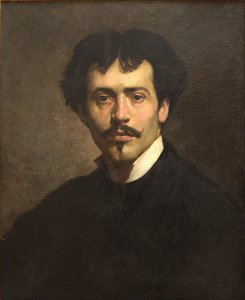
João Joaquim Marques da Silva Oliveira
1853 - 1927 , Portugal
Основные сведения
- Artistic Movement Or Style: Naturalism
- Artists Or Movements Influenced By This Artist:
- Aurélia de Sousa
- Lino António
- Artists Who Influenced This Artist:
- Alexandre Cabanel
- Adolphe Yvon
- Date Of Birth: 1853
- Date Of Death: 1927
- Full Name: João Joaquim Marques da Silva Oliveira
- Nationality: Portuguese
- Notable Artworks:
- Marina
- Woman in Rome
- Portrait of António Soares dos Reis
- Place Of Birth: Porto, Portugal
Похожие статьи
Топ-10 шедевров пейзажа: искусство природы в интерьере от OriginalUniqueArt
Погрузитесь в мир великих пейзажей! От Моне до Ван Гога – 10 шедевров, раскрывающих красоту природы. Узнайте историю создания и вдохновитесь для декора интерьера. Репродукции картин высокого качества на OriginalUniqueArt.com
Evocations of Place: A Historical Journey Through Landscape Art
Explore the rich history of landscape art with OriginalUniqueArt. Discover renowned artists, movements like Impressionism & tonalism, and expert guidance for collecting timeless pieces. Find your perfect serene escape today!

Evocations of Place: A Historical Journey Through Landscape Art
Explore the rich history of landscape art with OriginalUniqueArt. Discover renowned artists, movements like Impressionism & Romanticism, and expert guidance for collecting timeless pieces. Find your perfect serene escape today!

Flowing Narratives: Rivers in Painting – A Historical Exploration
Explore the rich history of rivers in painting! Discover masterpieces from ancient times to Impressionism & beyond. Learn about symbolism, artists like Monet & Daubigny, and find your perfect serene artwork at OriginalUniqueArt.
Capturing the Light: A Journey Through the Soul of American Impressionism and the Hudson River School
Explore the luminous beauty of American Impressionism and the Hudson River School. Discover a curated journey through light, landscape, and history, celebrating the enduring legacy of masters through exquisite, hand-painted oil reproductions for the discerning art lover.


