
 Предпросмотр
 Поделиться
 Поделиться
 Детали произведения

 Скачать
 Похожие работы
 Рентгенография
 Слайд-шоу
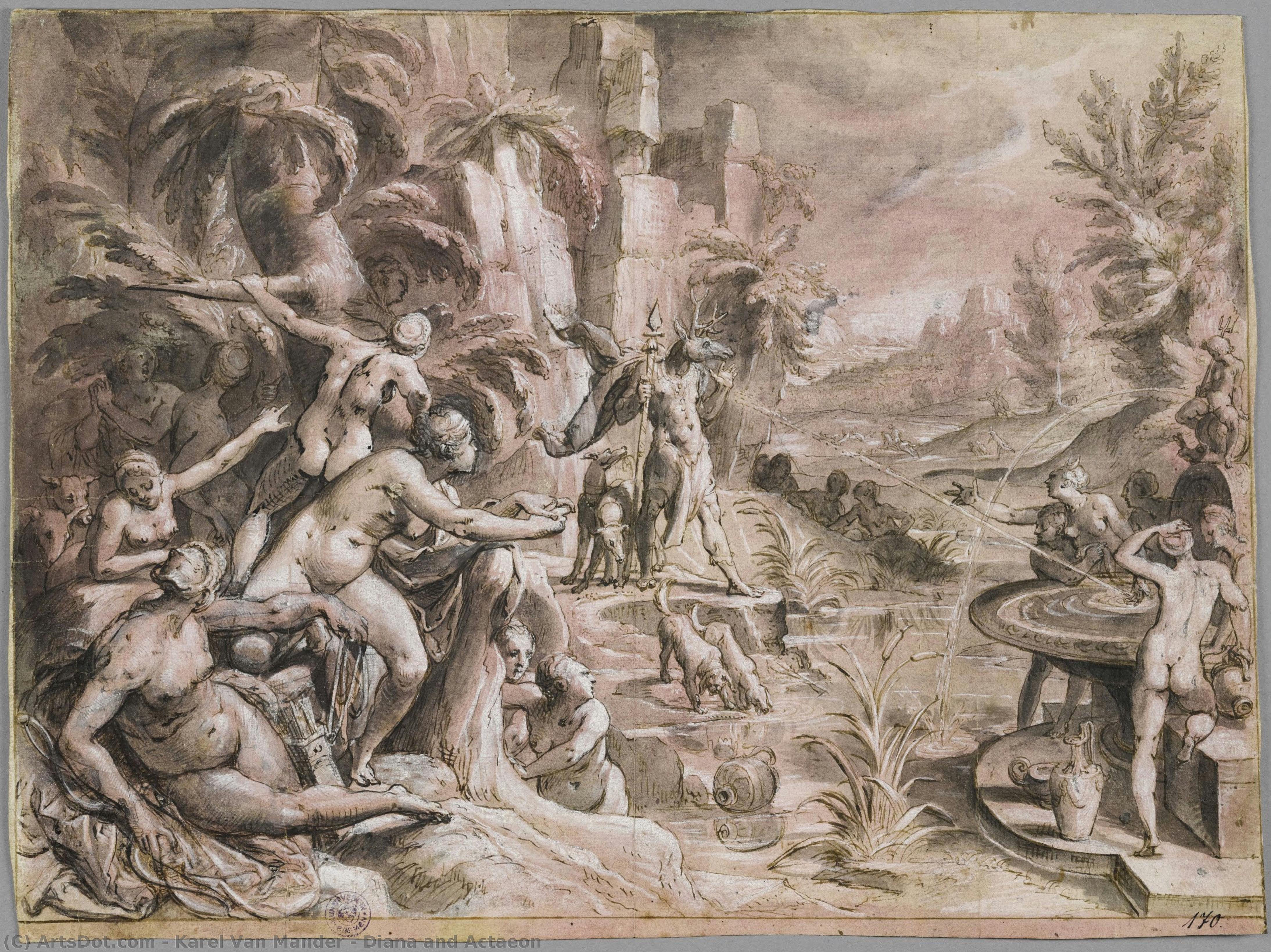
Diana and Actaeon
 Ink
Ink- Northern Mannerism
 1590
1590- Renaissance
 31.0 x 41.0 cm
 Kunsthalle Bremen
 Читать далее
Масляная репродукция ручной работы
Картина маслом на холсте в выбранном вами размере и раме, написанная на заказ нашими художниками. ( Перейти к печати Переключиться на изображение)




P118B $10

P118H $10

P118W $10

P438Z $10

P508JH $12

P508YH $12

P805H $10

P805Z $10

P919BZ $10

P919G $10

P919XJ $10

P959ZH $10

P968JZ $12

W106C $8

W218G $10

W218JH $8

W218Y $10

W307PJ $10

W316G $10

W316PJ $8

W316Y $10

W398PJ $8

W4111J $10

W500HY $15

W500JH $15

W692G $12

W849H $8

W940BG $15

W953PJ $8




Выберите один из наших стандартных размеров, соответствующих оригинальным пропорциям произведения искусства.

Вы можете указать собственные размеры, чтобы картина идеально вписалась в выбранную раму или пространство. Если выбранный вами размер не соответствует пропорциям оригинала, мы либо обрежем полотно, либо расширим его за счет дополнительных элементов, написанных вручную. Цифровой макет будет отправлен вам на утверждение перед началом производства.
Обратите внимание, что предварительный просмотр на экране не отражает фактическую обрезку или расширение. Только макет точно покажет окончательную композицию.
Хотя доступны индивидуальные размеры, мы рекомендуем выбирать вариант из предопределенного списка, чтобы сохранить исходные пропорции.
После оформления заказа команда OriginalUniqueArt.com свяжется с клиентом по электронной почте для уточнения деталей и предоставит предварительный макет
Доставка по всему миру () за 3–4 недели вместо стандартных 5 недель. (10 Август). Без компромиссов в качестве.

Бесплатная экспресс-доставка по всему миру

Высококачественный льняной холст

Полное страхование доставки

Гарантия возмещения таможенных пошлин

Гарантия точного соответствия цветов

Политика возврата в течение 60 дней (только при наличии дефектов)

Гарантия возврата 100% средств

Предложение оптовых скидок
 Вариант со стеклом доступен только для размеров менее 110 см

Diana and Actaeon
Техника репродукции
Размер репродукции
-


Итоговая стоимость
$ 475
Описание произведения
A Dramatic Encounter: Karel van Mander’s ‘Diana and Actaeon’
Karel van Mander's drawing of “Diana and Actaeon,” executed around 1590, is more than a simple depiction of a classical myth; it’s a potent distillation of Mannerist drama, religious morality, and the burgeoning artistic spirit of the Dutch Renaissance. Born in Belgium, Van Mander’s journey through Rome and Florence profoundly shaped his style, culminating in this remarkably detailed monochrome study – a testament to his skill and a window into the intellectual currents of his time. The drawing's immediate impact lies in its arresting composition: Actaeon, transformed into a stag, is confronted by the hounds of Diana, while the goddess herself observes the unfolding tragedy with an expression of righteous fury. This scene, drawn from Ovid’s *Metamorphoses*, served as a powerful moral lesson within Protestant Netherlands, illustrating the consequences of unchecked desire and transgression.
- Subject Matter: The myth of Actaeon provides a rich vein for exploration – a cautionary tale about hubris, forbidden knowledge, and divine retribution.
- Historical Context: Created during a period of religious upheaval in the Netherlands, the image reflects anxieties surrounding moral conduct and the power of the Church.
- Symbolism: The nudity of Diana and Actaeon represents vulnerability and exposure, while the stag symbolizes shame and punishment.
Masterful Technique – A Study in Line and Shadow
Van Mander’s technical prowess is immediately apparent in this drawing. Rendered entirely in brown ink on paper, it showcases a sophisticated understanding of line drawing and shading. The artist employs hatching and cross-hatching with exceptional precision to create a remarkable sense of volume and texture. Notice the meticulous detailing of Actaeon's fur as a stag, the flowing drapery of Diana’s robes, and the intricate patterns of the foliage – all rendered with an almost obsessive attention to detail. The lighting, seemingly emanating from above and slightly to the left, dramatically emphasizes form and casts deep shadows, contributing significantly to the scene’s overall sense of drama and tension. This isn't merely a representation; it’s a carefully constructed illusion of three-dimensionality.
A Window into Renaissance Artistic Thought
“Diana and Actaeon” is deeply rooted in the artistic traditions of the Italian Renaissance, yet Van Mander uniquely infuses it with a distinctly Northern European sensibility. The drawing reflects Mannerist influences – characterized by elongated figures, complex compositions, and an emphasis on emotional expression – prevalent during his time. Van Mander’s work also holds significant historical importance as one of the earliest Dutch interpretations of Ovid's *Metamorphoses*, documented in his seminal “Schilder-Boeck,” which served as a crucial resource for artists and art theorists of the era. The drawing’s style leans towards classical realism, but with a heightened sense of theatricality and psychological depth.
Dimensions & Significance
This exquisite drawing measures 31 x 41 cm and dates back to 1590. It represents a pivotal work in Karel van Mander's oeuvre, showcasing his mastery of line drawing and his engagement with complex mythological narratives. Its dramatic composition, meticulous technique, and profound symbolism make it a compelling example of Northern Renaissance art – a captivating glimpse into the mind of a brilliant artist and a powerful meditation on human fallibility.
Биография художника
Early Life and Training
- Born: Mellebeke, Belgium (1548)
- Died: 1606
- Karel van Mander was born into a noble family in Meulebeke, County of Flanders.
- He received his early artistic training under Lucas de Heere in Ghent (1568-1569) and subsequently with Pieter Vlerick in Kortrijk.
- Early on, he also engaged in writing religious plays and designing scenery for them.
Travels and Artistic Development
- Rome (1574-1577): Van Mander spent three years in Rome, where he encountered classical art and developed his artistic style. The biographical sketch mentions him as the "discoverer of caves," possibly referring to the catacombs.
- Vienna: During a return journey from Italy, he collaborated with Bartholomeus Spranger and Hans Mont on creating a triumphal arch for Emperor Rudolf II's royal entry. This experience exposed him further to Mannerist influences.
Settlement in Haarlem and Artistic Leadership
- Haarlem (1583): Due to religious troubles and the plague, Van Mander settled in Haarlem, Dutch Republic.
- City Art Inventory: He was commissioned by the city fathers of Haarlem to inventory confiscated Catholic art after the Satisfactie van Haarlem. This work formed a basis for his later writings.
- Founder of an Academy: Together with Hubertus Goltzius and Cornelis van Haarlem, he founded an "academy to study after life," which fostered artistic discussion and possibly included drawing classes.
The *Schilder-boeck* and Art Historical Significance
- Major Work: Van Mander is primarily remembered for his *Schilder-boeck* (Book of Painters), a biographical dictionary of Early Netherlandish and Northern Renaissance artists.
- Influence on Mannerism: His dissemination of drawings by Bartholomeus Spranger, through engravings by Hubertus Goltzius, significantly contributed to the spread of Northern Mannerism in the Dutch Republic.
- Art Theorist: He played a crucial role in art theorization during the 16th century, emphasizing style and cultivated elegance over naturalism. His theories promoted exaggerated musculature, dramatic scenes, and rich detail.
Legacy and Artistic Style
- Northern Mannerism Pioneer: Karel van Mander is considered a key figure in the development of Northern Mannerism.
- Influence on Dutch Art: He significantly influenced artists in Haarlem and beyond, shaping the artistic landscape of the Dutch Republic.
- Artistic Characteristics: His own paintings often featured historical allegories characterized by a strong awareness of style, cultivated elegance, and a preference for dramatic compositions.

Karel van Mander
1548 - 1606 , Belgium
Основные сведения
- Artistic Movement Or Style: Northern Mannerism
- Artists Or Movements Influenced By This Artist:
- Hendrick Goltzius
- Cornelis van Haarlem
- Artists Who Influenced This Artist:
- Lucas de Heere
- Pieter Vlerick
- Bartholomeus Spranger
- Date Of Birth: May 1548
- Date Of Death: September 2, 1606
- Full Name: Karel van Mander
- Nationality: Flemish
- Notable Artworks:
- Diana and Actaeon
- Allegory of Nature
- Garden of Love
- Before the Flood
- Place Of Birth: Meulebeke, Belgium
Похожие статьи
Винсент Ван Гог: 25 шедевров гения. Купить картины онлайн | OriginalUniqueArt
Погрузитесь в мир Винсента Ван Гога! 25 шедевров постимпрессионизма – от 'Звездной ночи' до 'Подсолнухов'. Узнайте историю создания, технику и значение каждой картины. Репродукции музейного качества на OriginalUniqueArt.com. Откройте для себя всю коллекцию онлайн!

Рембрандт ван Рейн: Топ-25 шедевров великого голландского мастера | OriginalUniqueArt
Погрузитесь в мир великого Рембрандта! 25 шедевров голландского барокко, истории создания картин и уникальные техники художника. Купите репродукции картин Рембрандта высочайшего качества для вашего интерьера на OriginalUniqueArt.com

10 Шедевров Раннего Нидерландского Живописи: История Искусства в Вашем Интерьере
Погрузитесь в мир Раннего нидерландского живописи! Откройте 10 шедевров Яна ван Эйка, Рогира ван дер Вейдена и других мастеров. История искусства, техника исполнения и вдохновение для вашего интерьера на OriginalUniqueArt.com.
Топ-10 шедевров Раннего Нидерландского Возрождения: искусство для вашего дома
Погрузитесь в мир Раннего Нидерландского Возрождения! Узнайте истории создания шедевров Яна ван Эйка, Кампена и других великих мастеров. Купите высококачественные репродукции картин для вашего интерьера на OriginalUniqueArt.com.

The Northern Renaissance: A Flourishing of Realism, Religious Reform & Artistic Innovation
Explore the Northern Renaissance! Discover Jan van Eyck's innovations, religious shifts, & key artists of this influential period. Expert analysis and insights into Early Netherlandish painting at OriginalUniqueArt.

