

 Предпросмотр
 Поделиться
 Поделиться
 Детали произведения

 Скачать
 Похожие работы
 Рентгенография
 Слайд-шоу
Урок географии
 Акрил на холсте
- Настенное искусство
- Contemporary Realism
 82.0 x 111.0 cm
 Museo Nacional de Bellas Artes
 Читать далее
Масляная репродукция ручной работы
Картина маслом на холсте в выбранном вами размере и раме, написанная на заказ нашими художниками. ( Перейти к печати Переключиться на изображение)




P118B $10

P118H $10

P118W $10

P438Z $10

P508JH $12

P508YH $12

P805H $10

P805Z $10

P919BZ $10

P919G $10

P919XJ $10

P959ZH $10

P968JZ $12

W106C $8

W218G $10

W218JH $8

W218Y $10

W307PJ $10

W316G $10

W316PJ $8

W316Y $10

W398PJ $8

W4111J $10

W500HY $15

W500JH $15

W692G $12

W849H $8

W940BG $15

W953PJ $8




Выберите один из наших стандартных размеров, соответствующих оригинальным пропорциям произведения искусства.

Вы можете указать собственные размеры, чтобы картина идеально вписалась в выбранную раму или пространство. Если выбранный вами размер не соответствует пропорциям оригинала, мы либо обрежем полотно, либо расширим его за счет дополнительных элементов, написанных вручную. Цифровой макет будет отправлен вам на утверждение перед началом производства.
Обратите внимание, что предварительный просмотр на экране не отражает фактическую обрезку или расширение. Только макет точно покажет окончательную композицию.
Хотя доступны индивидуальные размеры, мы рекомендуем выбирать вариант из предопределенного списка, чтобы сохранить исходные пропорции.
После оформления заказа команда OriginalUniqueArt.com свяжется с клиентом по электронной почте для уточнения деталей и предоставит предварительный макет
Доставка по всему миру () за 3–4 недели вместо стандартных 5 недель. (7 Август). Без компромиссов в качестве.

Бесплатная экспресс-доставка по всему миру

Высококачественный льняной холст

Полное страхование доставки

Гарантия возмещения таможенных пошлин

Гарантия точного соответствия цветов

Политика возврата в течение 60 дней (только при наличии дефектов)

Гарантия возврата 100% средств

Предложение оптовых скидок
 Вариант со стеклом доступен только для размеров менее 110 см

Урок географии
Техника репродукции
Размер репродукции
-


Итоговая стоимость
$ 300
Описание произведения
Леcción de geografía: Портрет учителя и сына
Картина Альфредо Валентеуэлы Пуэльмы – это не просто изображение мужчины и мальчика за столом с картой. Это глубокое исследование человеческой связи и передачи знаний из поколения в поколение, воплощенное в стиле реализма и выполненное с использованием мастерской техники живописи.
Альфредо Валентеуэла Пуэльма родился в Вальерасо, Чили, в 1856 году и был одним из самых выдающихся художников своей страны. Его жизнь была полна интеллектуальных интересов и художественного поиска. После учебы в Академии Искусств Сантьяго под руководством Эрнесто Кирхбаха и Хуана Мочи он отправился во Францию, где получил серьезное влияние европейской живописной школы.
Стиль и Техника Реализма
Валентеуэла Пуэльма был убежденным сторонником реалистического направления в искусстве. Он стремился передать жизнь во всех ее деталях, используя тщательное изучение анатомии и светотени для создания объемных и правдивых изображений. Его работы отличаются высоким уровнем мастерства и вниманием к деталям – от текстуры ткани до отражения света в глазах человека.
Исторический Контекст и Эпоха
Картина была создана в эпоху позднего романтизма и раннего реализма, когда художники отказывались от идеализированных образов и стремились изображать мир таким, какой он есть на самом деле. Валентеуэла Пуэльма был одним из самых ярких представителей этого направления в Чили и работал над созданием произведений искусства, которые отражали социальные проблемы своего времени.
Символизм Образа и Эмоциональный Отклик
Человек за столом с ребенком символизирует передачу опыта и знаний от старшего поколения к младшему. Карту можно рассматривать как метафору мира и обучения новым знаниям. Светлый фон и детализированная живопись создают ощущение спокойствия и гармонии, приглашая зрителя задуматься о важности образования и семейных ценностей.
Идеальное Репродукция для Дома
Высококачественная репродукция картины Альфредо Валентеуэлы Пуэльмы станет прекрасным украшением интерьера и вдохновит владельцев на новые творческие идеи. Она позволит сохранить красоту оригинального произведения искусства и передать его эмоциональный отклик будущим поколениям.
Биография художника
A Chilean Master of Realism: The Life and Art of Alfredo Valenzuela Puelma
Alfredo Valenzuela Puelma, born in the vibrant port city of Valparaiso, Chile, in 1856, stands as a pivotal figure in the nation’s artistic heritage. His life was a compelling narrative woven with threads of academic rigor, Parisian influence, and a deeply personal struggle that ultimately shaped his distinctive artistic vision. From an early age, Valenzuela Puelma demonstrated a remarkable aptitude for drawing, prompting his enrollment at the Academy of Fine Arts in Santiago at just twelve years old, where he studied under the tutelage of Ernesto Kirchbach and Juan Mochi. This formal training was uniquely balanced with studies in medicine—a testament to his intellectual curiosity and breadth of interests that would subtly inform his artistic perspective. He wasn’t merely a painter; he was an observer of life, anatomy, and the human condition, all elements that found their way onto his canvases.Parisian Refinement and Artistic Development
A turning point in Valenzuela Puelma's career arrived in 1881 with a Chilean government scholarship that propelled him to Paris—the epicenter of the art world at the time. He entered the workshop of Benjamin Constant, immersing himself in the artistic currents of the era. Simultaneously, he pursued anatomical studies at the Sorbonne, exposing himself to emerging movements like those championed by the Manet School. While acknowledging these modern trends, Valenzuela Puelma found a deeper resonance in the Old Masters, spending countless hours copying Spanish masters at the Louvre. This deliberate engagement with the past profoundly shaped his stylistic development, instilling within him a reverence for technique and composition that would become hallmarks of his work. A second scholarship in 1887 allowed further refinement under Jean Paul Laurens, solidifying his academic foundation and honing his skills. It was during these formative years in Paris that Valenzuela Puelma began to forge the distinctive path that would set him apart as a leading Chilean Realist painter.A Diverse Oeuvre: Themes and Techniques
Upon returning to Chile, Valenzuela Puelma actively engaged with the burgeoning art scene, consistently submitting works to exhibitions and competitions in Santiago where he garnered consistent recognition. He also took on administrative roles at the Theater La Victoria and managed various art exhibitions in Valparaíso during the 1890s, demonstrating a commitment to fostering cultural life beyond his own artistic practice. His oeuvre is remarkably diverse, encompassing landscapes imbued with atmospheric light, intimate interiors revealing glimpses of domestic life, compelling portraits that capture the essence of his subjects, delicate still lifes, and notably, sensuous nudes that challenged conventional norms. A recurring motif in his work—a testament to Constant’s influence—is the incorporation of Arabic elements, adding an exotic allure to compositions like La Perla del Mercader (The Merchant's Pearl) and El Niño del Fez (Fez Boy). Valenzuela Puelma’s technique is characterized by a meticulous realism rooted in academic principles. He possessed a masterful command of light, shadow, and color, creating paintings that are both technically brilliant and emotionally resonant. Works such as La Sevillana, Saliendo de Caza (Going Hunting), and Niña con Vestido Amarillo (Girl in a Yellow Dress) exemplify his ability to capture fleeting moments with remarkable precision and grace.Legacy and Historical Significance
In 1907, Valenzuela Puelma embarked on a final journey to France, but tragically never returned to Chile. He battled persistent depression and mental illness, conditions that ultimately led to his untimely death in Villejuif in 1909 at the age of fifty-three. His remains were later repatriated to Chile with great ceremony and interred at the National Museum of Fine Arts—a fitting tribute to a master artist. Though he did not formally dedicate himself to teaching, Valenzuela Puelma mentored several promising painters, including Alfredo Helsby and Eucarpio Espinosa, passing on his knowledge and inspiring a new generation of Chilean artists. Art critic and historian Antonio Romera rightfully recognized his significant contribution by including him among the “Great Masters of Chilean Painting.” Valenzuela Puelma’s legacy rests upon his successful synthesis of academic training with a uniquely personal vision. He left behind a body of work that continues to be admired for its technical skill, diverse subject matter, and enduring beauty—a testament to the power of realism to capture the complexities and nuances of the human experience. His paintings remain vital windows into 19th-century Chile, offering glimpses into its society, culture, and artistic aspirations.
Alfredo Valenzuela Puelma
1856 - 1909 , Chile
Основные сведения
- Artistic Movement Or Style: Realism
- Artists Or Movements Influenced By This Artist:
- Alfredo Helsby
- Eucarpio Espinosa
- Artists Who Influenced This Artist:
- Benjamin Constant
- Jean Paul Laurens
- Date Of Birth: Feb 8, 1856
- Date Of Death: Oct 27, 1909
- Full Name: Alfredo Valenzuela Puelma
- Nationality: Chilean
- Notable Artworks:
- La Perla del Mercader
- El Niño del Fez
- Paisaje
- La Sevillana
- Saliendo de Caza
- Place Of Birth: Valparaiso, Chile
Похожие статьи
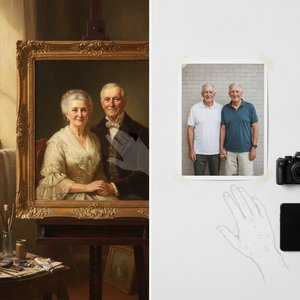
Масляная живопись против фотографии: Сохраняя память и создавая наследие для будущих поколений.
Создайте вечное наследие с OriginalUniqueArt! Ручная масляная живопись премиум-качества: репродукции шедевров и индивидуальные портреты по фото. Доверьтесь опыту мастеров, создайте уникальный предмет искусства для вашего дома.

F.A.Q.: Руководство по семейным портретам для взыскательных клиентов
: эксклюзивные семейные портреты на заказ от профессиональных художников. Индивидуальный подход, высочайшее качество и безупречный сервис для ценителей искусства. Закажите свой шедевр сегодня!
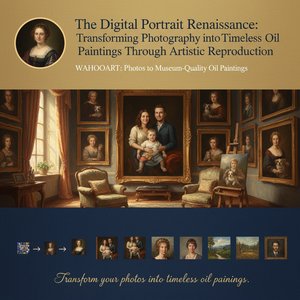
От селфи к студийному портрету: Современная трансформация личной фотографии в масляной живописи
Превратите любимые фотографии в уникальные произведения искусства! Закажите портрет маслом от профессиональных художников с гарантией качества и индивидуальным подходом. Создайте вечную ценность!
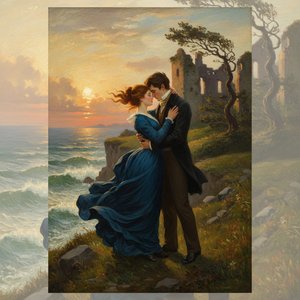
The Evocative Embrace of Reality: Exploring Romantic Realism in 19th-Century Painting
Explore the captivating world of Romantic Realism! Discover key artists like Courbet & Millet, masterpieces, and the social context behind this influential art movement. Expert insights for collectors at OriginalUniqueArt.
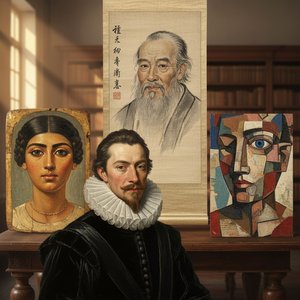
The Enduring Gaze: A Historical & Artistic Exploration of Portrait Painting Across Cultures
Explore the rich history of portrait painting with expert insights into Renaissance masterpieces & modern innovations. Discover artists, movements & commission a custom oil painting at OriginalUniqueArt.


