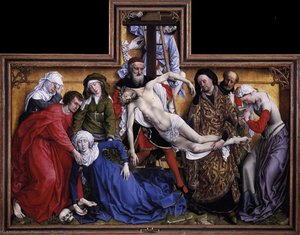
Предпросмотр
 Поделиться
 Поделиться
 Детали произведения
 Руководство

 Скачать
 Похожие предметы
 Рентгенография
 Слайд-шоу
 Вопросы и ответы
 Статистика просмотров
Благовещение

- 138.0 x 70.0 cm


 Читать далее
Жикле и арт-принты
Печать (жикле) или холст музейного качества с быстрыми сроками изготовления и широким выбором вариантов отделки. ( Купить картину ручной работы Перейти к цифровым изображениям)




P118B $10

P118H $10

P118W $10

P438Z $10

P508JH $12

P508YH $12

P805H $10

P805Z $10

P919BZ $10

P919G $10

P919XJ $10

P959ZH $10

P968JZ $12

W106C $8

W218G $10

W218JH $8

W218Y $10

W307PJ $10

W316G $10

W316PJ $8

W316Y $10

W398PJ $8

W4111J $10

W500HY $15

W500JH $15

W692G $12

W849H $8

W940BG $15

W953PJ $8




Выберите один из наших стандартных размеров, соответствующих оригинальным пропорциям произведения искусства.

Введите необходимую ширину и высоту, чтобы репродукция подошла к вашей раме или стене. При печати изображение можно только уменьшить, но нельзя увеличить больше оригинала, поэтому при выборе другого формата часть изображения может быть обрезана. Перед печатью мы отправим вам цифровой макет на утверждение. Изображение на этой странице не отображает реальную обрезку — ее можно увидеть только на макете.
Доставка по всему миру () за 2 недели вместо стандартных 4–5 недель. (9 Ноябрь)

Бесплатная экспресс-доставка по всему миру

Высококачественный льняной холст

Полное страхование при доставке

Гарантия возмещения таможенных пошлин

Гарантия точного цветового соответствия

100-дневная гарантия возврата (только при обнаружении дефектов)

Гарантия возврата 100% средств

Скидка при оптовом заказе
 Вариант со стеклом доступен только для размеров менее 110 см

Благовещение
Жикле и арт-принты
Размер репродукции
-


Итоговая стоимость
$ 81
Божественная встреча в масле и свете
В безмолвной тишине покоев середины XV века разворачивается глубокое чудо. «Благовещение» Рогира ван дер Вейдена — это не просто изображение библейского события; это мастер-класс по передаче веса одного единственного, преображающего мгновения. Когда архангел Гавриил нисходит, чтобы доставить божественное послание Деве Марии, зритель приглашается в пространство, где небесное встречается с земным. Сцена прописана с такой тщательной заботой, что можно почти физически ощутить благоговейную тишило комнаты, текстуру тяжелых тканей и духовную значимость этой встречи. Это произведение является краеугольным камнем раннего нидерландского Возрождения — периода, определяемого беспрецедентной преданностью реализму и почти сакральной одержимостью деталями.
Ван дер Вейден, мастер, который, вероятно, отточил свою точность во время обучения ювелирному делу, привнес в эту композицию взгляд истинного драгоценщика. Его техника опирается на революционное использование масляных лессировок — тонких, полупрозрачных слоев пигмента, которые позволяют свету проникать сквозь поверхность и отражаться изнутри. Это создает сияющее, скульптурное качество, вдыхающее жизнь в фигуры. Дева Мария изображена с тихой, созерцательной грацией, ее руки сложены в молитве, а едва уловимые контуры лица и деликатные складки одеяний демонстрируют непревзойденное владение формой. Игра света и тени делает больше, чем просто определяет очертания; она наполняет сцену ощутимой эмоциональной глубиной, заставляя божественное откровение казаться глубоко человечным.
Символизм и язык благочестия
Каждый элемент этого священного пространства служит высшей цели, выступая в роли безмолвного языка для верующих. Позади Марии висит насыщенная красная занавесь, несущая в себе глубокий смысл: она символизирует ее чистоту, святость и царственную природу ее божественного призвания. Присутствие книг — одна в руках ангела, другие покоятся рядом — говорит о мудрости Писания и интеллектуальной глубине зарождающегося гуманизма той эпохи. Даже приглушенная, состаренная палитра картины способствует ее мощному воздействию, вызывая чувство вневременности и исторической значимости, которое находит отклик как у коллекционеров, так и у ценителей искусства.
Для тех, кто стремится привнести частицу этого исторического величия в современный интерьер, «Благовещение» предлагает нечто большее, чем просто эстетическую красоту. Оно служит центром глубокого покоя и духовного размышления. Будь то в кураторской галерее или в качестве центрального элемента изысканного интерьера, способность картины приковывать внимание через тонкую эмоцию, а не через явную драму, делает ее непреходящим выбором для любителей искусства. Обладать репродукцией такого шедевра — значит иметь окно в саму душу Северного Возрождения, воспевая времена, когда искусство было высшим мостом между земным и божественным.
Вопросы и ответы
Как стиль произведения «Благовещение» соотносится с эпохой его создателя?
«Благовещение» относится к направлению Северное Возрождение, а его создатель работал в эпоху — Эпоха Возрождения.
Есть ли путеводитель по «Благовещение», Рогер ван дер Вейден?
Для произведения «Благовещение», Рогер ван дер Вейден доступна страница Справочный материал: печатный информационный лист о произведении искусства, предназначенный для студентов и использования в учебном процессе.
Использует ли «Благовещение», Рогер ван дер Вейден резкие контрасты или мягкую гармонию?
Цветовая композиция «Благовещение», Рогер ван дер Вейден сочетает в себе Насыщенный контраст с Высокая цветовая целостность гармонией.
Биография художника
A Master of Emotion: The Life and Legacy of Rogier van der Weyden
Rogier de la Pasture – known to history as Rogier van der Weyden – emerged around 1400 in the vibrant city of Tournai, nestled within what is now Belgium. This talented artist’s life was a testament to his dedication and skill, shaping the course of Early Netherlandish painting. While details surrounding his early years remain somewhat shrouded in mystery, it's believed he initially honed his craft not with brush and pigment alone, but as a goldsmith. This formative training instilled within him an unwavering commitment to meticulous detail and a refined sensibility for craftsmanship – qualities that would become instantly recognizable hallmarks of his artistic style. The precision demanded by working with precious metals undoubtedly translated into the exquisite rendering of textures, fabrics, and expressions that define his most celebrated masterpieces. He wasn’t merely depicting reality; he was recreating it with painstaking accuracy, imbued with an almost reverent attention to detail.From Tournai to Brussels: A Rising Star
By 1427, van der Weyden had ascended to the rank of master within the Guild of Saint Luke in Tournai – a significant milestone that solidified his position as a professional artist and opened doors to prestigious commissions. His career truly took flight when he entered the service of Philip the Good, Duke of Burgundy, in 1435. This patronage was transformative; it provided not only financial security but also access to an elite circle of influence and exposure to some of the most discerning eyes of the era. It was during this period that van der Weyden’s artistic vision truly began to mature, moving away from the somewhat rigid conventions of earlier Netherlandish painters towards a more emotionally resonant and naturalistic approach. He wasn't simply painting religious scenes; he was striving to evoke genuine feeling in the viewer, to create an experience that transcended mere observation. His work reflected a growing interest in portraying human emotion with unprecedented depth and sensitivity – a departure from the stylized representations of earlier periods.The Language of Feeling: Style and Technique
Rogier van der Weyden’s artistic signature is immediately recognizable through several defining characteristics. His palette was remarkably rich and diverse, a vibrant tapestry of colors carefully chosen to avoid repetition and create depth and complexity within his compositions. He possessed an extraordinary ability to convey profound emotion – *pathos* – particularly in depictions of religious subjects like the Lamentation, where grief and sorrow are palpable. This emotional intensity wasn’t achieved through dramatic gestures or exaggerated expressions; rather, it was subtly woven into the very fabric of the painting, conveyed through delicate nuances of facial expression, body language, and composition. His figures, while adhering to the conventions of the time, demonstrate a growing interest in realistic representation – not just in anatomy and drapery, but also in capturing the psychological states of his subjects. They possess a dignified, almost sculptural quality, particularly evident in his grand triptychs, lending them an air of solemnity and reverence. He masterfully employed oil paint, building up layers of translucent glazes to achieve luminous effects and create a sense of depth and realism that was revolutionary for its time. The use of light and shadow – *chiaroscuro* – became a key element in his dramatic compositions, further enhancing the emotional impact of his works.Notable Works and Enduring Masterpieces
Throughout his prolific career, van der Weyden produced numerous works that stand as testaments to his artistic prowess. St Luke Drawing a Portrait of the Madonna, housed in the Museum of Fine Arts, Boston, showcases his mastery of oil on panel and meticulous observation. The *Lamentation*, residing in the Musée des Beaux-Arts Tournai, Belgium, is perhaps his most celebrated work – a powerfully emotive depiction of Christ’s mourning, renowned for its dramatic use of *chiaroscuro* and its ability to evoke profound sorrow in the viewer. Multiple versions of The Deposition exist, each demonstrating his skill in conveying grief and drama with breathtaking sensitivity. The *Annunciation*, a masterpiece of refined style and attention to detail, exemplifies his ability to imbue even the most traditional subjects with a sense of freshness and vitality. And finally, the intricate and richly detailed *Bladelin Triptych* stands as a monumental achievement – a complex altarpiece that showcases the full range of van der Weyden’s artistic abilities. These works, and many others, continue to captivate audiences today, solidifying his position as one of the most important painters of the 15th century.Lasting Influence: A Legacy Forged in Paint
Van der Weyden's influence extended far beyond the borders of his native Flanders. His works were highly sought after throughout Europe, particularly in Italy and Spain, where they introduced a new level of emotional depth and naturalism to local artistic traditions. Although his fame experienced a period of relative decline in the 17th century, a rediscovery during the 19th century cemented his place as one of the most important painters of the 15th century. He stands alongside Jan van Eyck and Robert Campin as one of the “three great” Early Flemish masters, each contributing uniquely to the development of Northern Renaissance art. His innovative techniques and emotionally charged compositions paved the way for future generations of artists, inspiring countless imitators and influencing the course of Western painting for centuries to come. He helped establish oil painting as the dominant medium and elevated the status of the artist within society, transforming them from skilled craftsmen into revered creators. Rogier van der Weyden’s legacy continues to resonate today, a testament to his enduring genius and his profound understanding of the human condition.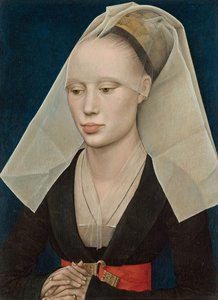
Рогер ван дер Вейден
1400 - 1464 , Бельгия
Об авторе
- Artistic Movement Or Style: Ранненидерландское искусство
- Artists Or Movements Influenced By This Artist:
- Итальянское Ренессанс
- Испанская живопись
- Artists Who Influenced This Artist:
- Роберт Кампин
- Ян ван Эйк
- Date Of Birth: c. 1400
- Date Of Death: 1464
- Full Name: Rogier van der Weyden
- Nationality: Бельгиец
- Notable Artworks:
- Схождение с креста
- Плачущие
- Поклонение волхвов
- Place Of Birth: Tournai, Бельгия
Похожие статьи

Crimson Threads of Narrative: Exploring Symbolism & Representation in Artworks Featuring the Red Dress
Explore the rich symbolism of the red dress in art history! From ancient power displays to iconic portraits like Cézanne’s 'Madame Cezanne', discover the cultural and artistic significance behind this captivating color. Expert analysis & insights.
Sacred Narratives Embodied: A Comprehensive Exploration of Religious Iconography in Art History
Explore the rich history of religious iconography in art! Discover symbolism, movements & masterpieces from Byzantine to Renaissance periods. Expert insights for collectors and enthusiasts at OriginalUniqueArt.

Divine Drama: A Connoisseur’s Journey Through the Sublime Masterpieces of the Last Judgment
Embark on a profound journey through the most awe-inspiring Last Judgment masterpieces. From Michelangelo’s celestial frescoes to Dürer’s intense engravings, uncover the divine drama and sacred iconography that have shaped Western art history with our expert editorial guide.
10 Шедевров Раннего Нидерландского Живописи: История Искусства в Вашем Интерьере
Погрузитесь в мир Раннего нидерландского живописи! Откройте 10 шедевров Яна ван Эйка, Рогира ван дер Вейдена и других мастеров. История искусства, техника исполнения и вдохновение для вашего интерьера на OriginalUniqueArt.com.
Divine Visions: Exploring the Power of Spiritual Themes and Sacred Symbolism in Fine Art History
Explore the profound impact of spiritual themes in fine art. From Renaissance iconography to Baroque drama, discover how sacred symbolism and divine visions have shaped art history through a scholarly and reflective lens.