

 Предпросмотр
 Поделиться
 Поделиться
 Детали произведения

 Скачать
 Похожие работы
 Рентгенография
 Слайд-шоу
 Stats
StatsProstitution


 Читать далее
Жикле / Арт-принт
Печать (жикле) или холст музейного качества с быстрыми сроками изготовления и широким выбором вариантов отделки. ( Купить картину ручной работы Switch to Digital Image)




































Выберите один из наших стандартных размеров, соответствующих оригинальным пропорциям произведения искусства.

Вы можете указать свои собственные размеры, чтобы репродукция идеально подошла под конкретную раму или пространство. Если выбранный вами размер не будет соответствовать пропорциям оригинала, мы либо обрежем произведение, либо дополним изображение зеркальным отражением краев или однотонной заливкой. Перед началом производства вам будет отправлен цифровой макет для утверждения.
Пожалуйста, обратите внимание, что предварительный просмотр на экране не отображает фактическую обрезку или расширение изображения. Только макет точно покажет финальную композицию.
Несмотря на возможность заказа индивидуальных размеров, мы рекомендуем выбирать размер из предопределенного списка, чтобы сохранить оригинальные пропорции.
Доставка по всему миру () за 2 недели вместо стандартных 4/5 недель. (8 Сентябрь)

Бесплатная экспресс-доставка по всему миру

Высококачественный льняной холст

Полное страхование доставки

Гарантия возмещения таможенных пошлин

Гарантия точного соответствия цветов

100-дневная политика возврата (только при обнаружении дефектов)

Гарантия возврата 100% средств

Предложение оптовых скидок
 Вариант со стеклом доступен только для размеров менее 110 см

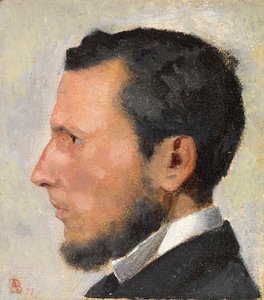
Prostitution
Жикле / Арт-принт
Размер репродукции
-


Итоговая стоимость
$ 80
Биография художника
Светлое наследие Поля Альбера Бенарда
Поль Альбер Бенарда (1849–1934) — самобытная фигура в полотне французского искусства, живописец, который с неповторимым, не поддающимся классификации изяществом следовал за переменчивыми течениями конца XIX и начала XX веков. Рожденный в Париже, он начал свой творческий путь в строгих стенах Эколе де Боз-Ар, где обучался у Жана Бремона. Его раннее становление было глубоко пропитано тщательным реализмом Александра Кабанеля — это влияние заложило в Бенарда дисциплинированный академический фундамент. Однако под этой классической выучкой билось сердце новатора, который со временем решился выйти за жесткие рамки традиций, чтобы объять эфемерную красоту света и атмосферы.
По мере созревания своего мастерства Бенарда начал наводить мосты между структурированным миром академической живописи и яркими, чувственными поисками импрессионизма. И хотя он не отказался от формы ради чистой абстракции, он стал истинным мастером цвета, используя палитру, которая казалась одновременно сияющей и глубоко эмоциональной. Его творчество характеризуется непоколебимым восхищением тем, как свет взаимодействует с поверхностями — будь то нежная кожа в портрете или величественные архитектурные пространства его грандиозных заказов. Эта способность соединять монументальное с интимным позволила ему преодолеть ярлыки своей эпохи, создав стиль, который ощущается одновременно вневременным и поразительно современным.
Мастер масштаба и духа
Подлинный гений Бенарда наиболее ярко проявился в его способности переносить современные настроения на грандиозный, декоративный масштаб. Он не просто писал картины — он преображал пространства. Его амбициозные фрески, украшающие некоторые из самых престижных институтов Франции, служат свидетельством его видения искусства как публичного, иммерсивного опыта. Эти работы можно встретить в таких местах, как:
- Сорбонна, где его мазки вдыхают жизнь в академическое величие.
- Фармацевтическая школа, демонстрирующая его умение интегрировать искусство в функциональную архитектуру.
- Зал наук Комеди Франсез, ставший триумфом декоративного повествования.
- Отель-де-Виль, отражающий гражданскую гордость и эстетическую утонченность Парижа.
- Часовня больницы в Берке, где его Stations of the Cross («Крестный путь») переосмыслили религиозную иконографию через современную, гуманистическую призму.
В этих масштабных проектах Бенарда избегал излишне драматичной или театральной эстетики, столь любимой многими его современниками. Вместо этого он использовал более тонкий, атмосферный подход, позволяющий свету вести взгляд зрителя, гарантируя, что даже самые массивные композиции сохраняют ощущение поэтической близости и духовной глубины.
Портрет и интимность формы
Помимо бескрайних просторов своих фресок, Бенарда был плодовитым создателем гораздо более личных произведений. Он обладал экстраординарной способностью улавливать психологическую сущность своих моделей, работая маслом, акварелью, пастелью и офортом. Его портреты прославились не только технической точностью, но и глубоким эмоциональным резонантом. В его изображении мадам Жорж Роденбах можно найти смелое исследование красоты, бросающее вызов устоявшимся нормам, демонстрирующее его мастерство в передаче текстуры и характера с одинаковым пылом.
Его многогранность как печатника и рисовальщика позволила ему экспериментировать с игрой тени и света в гораздо более тонком масштабе. Запечатлевая ли величественное присутствие короля и королевы Бельгии или безмолвие пейзажа, работы Бенарда остаются неразрывно связанными с влиянием, напоминающим о Томасе Гейнсборо — определенной элегантности и ритмической текучести, которые возвышают сам предмет искусства. В конечном счете, значимость Поля Альбера Бенарда заключается именно в этом дуализме: он был художником, способным властвовать в самых больших залах Франции и одновременно улавливать самые мимолетные, нежные шепоты света.
Поль Альбер Бенар
1849 - 1934 , Франция
Основные сведения
- Artistic Movement Or Style: Импрессионизм
- Artists Or Movements Influenced By This Artist: ['Академическая живопись']
- Artists Who Influenced This Artist:
- Александр Кабанель
- Томас Гейнсборо
- Date Of Birth: Париж, Франция (1849)
- Date Of Death: 1934
- Full Name: Поль Альбер Бельнар
- Nationality: Француз
- Notable Artworks:
- Смерть Тимофана
- Мир путем арбитража
- Портрет мадам Жорж Роденбах
- Place Of Birth: Париж