
() ·
Картина, созданная вручную специально для вас
Масляная репродукция ручной работы
Картина маслом на холсте в выбранном вами размере и раме, написанная на заказ нашими художниками. ( Перейти к печатным копиям Перейти к цифровым изображениям)
Биография художника
Andrea di Cione (Orcagna), a pivotal Florentine painter of the 14th century. Known for dramatic scenes, religious narratives & The Triumph of Death, his work exemplifies Gothic-Late Gothic style.
 Читать далее
от ·
Глава 1
Какой размер выбрать?
Передвигайте ползунок, чтобы изменить размер; на изображении слева показана реальная ширина рамы. Пропорции оригинала сохраняются.
Выберите один из наших стандартных размеров, соответствующих оригинальным пропорциям произведения искусства.

Введите необходимую ширину и высоту, чтобы репродукция подошла к вашей раме или стене. Поскольку работа выполняется вручную, при изменении пропорций художник может немного увеличить область вокруг картины или, наоборот, обрезать края — выбор за вами. Перед началом работы мы пришлем вам цифровой макет на утверждение. Изображение на этой странице не является точным результатом — увидеть реальный вид можно только на макете.
Глава 2
В каком виде вы хотите получить заказ?
Выберите тип обработки краев холста
Выберите свою раму

Белый торцевой край $1

Размытый край $1

С продолжением изображения $1

P118B $10

P118H $10

P118W $10

P438Z $10

P508JH $12

P508YH $12

P805H $10

P805Z $10

P919BZ $10

P919G $10

P919XJ $10

P959ZH $10

P968JZ $12

W106C $8

W218G $10

W218JH $8

W218Y $10

W307PJ $10

W316G $10

W316PJ $8

W316Y $10

W398PJ $8

W4111J $10

W500HY $15

W500JH $15

W692G $12

W849H $8

W940BG $15

W953PJ $8

H24-GOLD $30

H24-SILVER $30

H36-GOLD $45

H36-SILVER $45
В раме
Багет: . Общий размер в раме: .
Глава 3
Кто является автором и стоит ли что-то изменить?
После оформления заказа команда OriginalUniqueArt.com свяжется с клиентом по электронной почте для получения инструкций и предоставит предварительный макет
Глава 4
Доставка по всему миру () за 3–4 недели вместо стандартных 5 недель. (21 Ноябрь). Без компромиссов в качестве.
Последние штрихи
Табличка, как в музее?
Детали гравировки на бронзовой плакетке
This elegant plaque features the artist's name and the title of the artwork, finely engraved for a timeless presentation.
It is made from bronze with a refined, elegant finish. The text is precisely laser-engraved for a sharp and permanent result. Measuring 9x2 cm, the plaque is compact yet easy to read. It's built to be durable and scratch-resistant, offering a professional, museum-quality look. Mounting is simple thanks to the included adhesive backing.
Детали прозрачной акриловой таблички
The plaque includes essential engraved details such as the artist's name, the title of the artwork, the date it was created, the type of media used-like oil on canvas or watercolor-a brief description of the piece, and a QR code that links to the complete artwork information.
It is crafted from clear acrylic, offering a sleek, modern appearance. The text is UV-engraved in black to ensure strong visual contrast. With a size of 10x15 cm, it ensures optimal readability. It comes equipped with two metal hooks for secure wall mounting. The plaque is designed to be weather-resistant, making it suitable for various environments, and it includes interactive features that work seamlessly with smartphone scanning.
Информация о чёрной акриловой табличке
This elegant plaque includes engraved information such as the artist's name, the title of the artwork, the date it was created, the type of media used (like oil on canvas or watercolor), a short description of the artwork, and a QR code for quick access to more information.
The plaque itself is made from refined black acrylic with a premium finish. The text is laser-engraved in white for high contrast and readability. Its size is 10x15 cm, designed to be easy to read. It comes with two metal hooks for professional mounting. The design is sleek and fits any interior style. It is also weather-resistant and durable, with built-in digital integration for mobile compatibility.
Защитный лак?
Когда вам нужна доставка?
Глава 5
Ваша картина в соответствии с вашим заказом

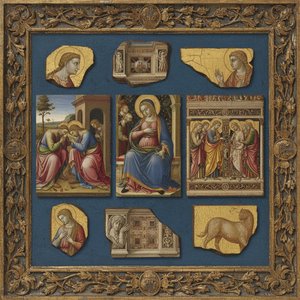
Tabernacle
Техника репродукции
Размер репродукции
-

Выдающийся мастер высокого класса
Более высокая детализация, изысканность и дополнительное время на создание работы
-

Оформление репродукции
-
-
Для произведений искусства или репродукций, размер которых превышает 105 см (приблизительно 41 дюйм) по любой из сторон, рама будет доставлена в разобранном виде (в виде комплекта). Этот метод обеспечивает безопасную доставку и предотвращает повреждения при транспортировке.
Требуется профессиональная сборка — это не продукт для самостоятельной сборки (DIY).
Комплект должен быть собран, а холст натянут опытным мастером по багетным рамам с использованием клеевого ПВА (не входит в комплект), струбцин для натяжки холста и зажимов, чтобы удерживать подрамник ровным до полного высыхания клея. Неправильная сборка или неравномерное натяжение холста могут привести к необратимому повреждению произведения искусства и не являются гарантийным случаем.
 Для произведений искусства или репродукций, размер которых превышает 105 см (приблизительно 41 дюйм) по любой из сторон, рама будет доставлена в разобранном виде (в виде комплекта). Этот метод обеспечивает безопасную доставку и предотвращает повреждения при транспортировке.
В комплект входят все бруски из массива дерева, точно вырезанные по размеру.
Собирается с помощью предоставляемых винтов, а также столярного клея для угловых соединений, который не входит в комплект и должен быть приобретен вашим мастером.
Требуются профессиональные инструменты, не входящие в комплект: щипцы для натяжки холста (натяжитель) и зажимы, чтобы удерживать рейки ровно во время высыхания клея.
Важно:
Для соединения углов требуется клей для дерева, перекладины необходимо зафиксировать струбцинами до полного высыхания клея, а для натяжки холста на собранную раму требуются щипцы для натяжки холста. Ни один из этих инструментов не входит в комплект. Пожалуйста, убедитесь в наличии опытного мастера по багетным работам перед заказом рамы такого размера.

Этикетка
-
-

Защитный лак
Глянцевый лак (насыщает цвета, защищает от воздействия света и влаги)
-

Персонализация картины
Примеры возможных изменений: замена лица на фото клиента; добавление домашнего питомца (например, замена кошки на собаку); добавление скрытого сообщения на фоне; изменение пейзажа или элементов фона.
-

Экспресс-доставка
Доставка по всему миру () за 3–4 недели вместо стандартных 5 недель. (21 Ноябрь). Без компромиссов в качестве.
-
Экспресс-доставка
Доставка по всему миру () в течение 5 недель. (28 Ноябрь).
Включено в стоимость
Итоговая стоимость
$ 300
Вариант со стеклом доступен только для размеров менее 110 см
Включено в каждый заказ
- Бесплатная экспресс-доставка по всему миру
- Высококачественный льняной холст
- Полное страхование при доставке
- Гарантия возмещения таможенных пошлин
- Гарантия точного цветового соответствия
- 100-дневная гарантия возврата (только при обнаружении дефектов)
- Гарантия возврата 100% средств
- Скидка при оптовом заказе


 Предпросмотр
 Поделиться
 Поделиться
 Детали произведения
 Руководство

 Скачать
 Похожие предметы
 Рентгенография
 Слайд-шоу
 Вопросы и ответы
 Статистика просмотров
В цифрах
- 1359год написания
- 29доступные варианты рам
- стандартные размеры, в их собственных пропорциях
- 5недель на написание и доставку
Об оригинале


Andrea Di Cione Di Arcangelo (Orcagna)
1308 - 1368, Italy
Краткая информация об авторе: Andrea Di Cione Di Arcangelo (Orcagna)
- Full Name: Andrea di Cione di Arcangelo (Orcagna)
- Nationality: Italian
- Date Of Birth: 1308
- Date Of Death: 1368
- Place Of Birth: Florence, Italy
- Notable Artworks:
- Saint Matthew and Scenes from his Life
- The Expulsion of the Duke of Athens
- Tabernacle (detail)
- Cenacolo di Andrea del Sarto
- Sant'Andrea a Brozzi
- Artistic Movement Or Style: Gothic-Late Gothic
- Artists Who Influenced This Artist: ['Ghirlandaio']
- Artists Or Movements Influenced By This Artist: ['Renaissance']
Биография художника
A Florentine Titan of the Gothic Revival
Andrea di Cione, known to history by the evocative moniker Orcagna, stands as one of the most influential figures in Florentine art during the mid-14th century—a period marked by a fascinating confluence of Gothic and Late Gothic artistic traditions. Born around 1308 in the heart of Florence, he emerged from a family deeply rooted in the city's prestigious artisan culture. His father, a skilled goldsmith, instilled in him an early appreciation for meticulous detail and the masterful execution of fine materials. This familial legacy profoundly shaped Orcagna’s artistic trajectory, propelling him to become not merely a painter but also a sculptor and architect—a rare combination of talents that cemented his reputation as a true polymath of the era.
Orcagna's formative years were spent honing his skills within the vibrant Florentine artisan community. While biographical details remain scarce, evidence suggests he received training primarily from his father and possibly from other prominent sculptors of the time. This grounding in traditional techniques—particularly those associated with Gothic sculpture—would prove crucial to his subsequent artistic endeavors. The influence of Flemish art, particularly its dramatic compositions and expressive realism, is palpable in Orcagna’s early works, foreshadowing the stylistic innovations that would define his mature style. His ability to blend the structural rigidity of sculptural forms with the fluid grace of painting allowed him to create works that felt both monumental and deeply human.
Mastery of Narrative and Devotion
The evolution of Orcagna's style is best observed through his profound engagement with religious narratives and complex altarpieces. One of his most celebrated contributions to the Florentine tradition is the Strozzi Altarpiece, a stunning 1354 Gothic masterpiece. In this work, one can admire the rich detail and vibrant colors that characterize his approach to sacred subjects. His ability to organize large groups of figures within a cohesive, hierarchical structure became a hallmark of his technique, guiding the viewer's eye through layers of spiritual significance. This period of his career demonstrates a transition from purely decorative Gothic elements toward a more structured, almost architectural way of presenting divine stories.
Beyond his altarpieces, Orcagna’s work often explored themes of historical and political tension, as seen in pieces like The Expulsion of the Duke of Athens. These works reveal an artist capable of capturing intense emotion and movement, moving beyond static iconography to embrace a more dynamic storytelling mode. His compositions frequently utilized:
- Hieratic Scale: Using size to denote the spiritual importance of saints and divine figures.
- Architectural Framing: Integrating painted structures that mimic the physical space of cathedrals.
- Expressive Linearity: Utilizing sharp, defined outlines to create a sense of clarity and dramatic tension.
The Triumph of Death and Lasting Legacy
Orcagna achieved unparalleled fame through The Triumph of Death, a monumental undertaking commissioned for Siena Cathedral between 1365 and 1370. This ambitious project represents arguably the pinnacle of Late Gothic art in Italy, showcasing Orcagna’s mastery of sculptural technique alongside his exceptional painting prowess. The work is a complex assemblage of figures depicting saints, martyrs, and demons, executed with breathtaking precision to convey a profound sense of terror and solemn contemplation. It serves as a haunting meditation on mortality, capturing the collective psyche of a century often defined by plague and upheaval.
The historical significance of Andrea di Cione cannot be overstated. As a bridge between the medieval tradition and the burgeoning complexities of the later 14th century, his work provided a foundation upon which future Florentine masters would build. His ability to synthesize the decorative elegance of the Gothic style with a new, more visceral sense of drama helped define the visual language of his age. Even as the Renaissance began to reshape the artistic landscape, the structural integrity and emotional depth found in Orcagna's masterpieces remained a testament to his enduring genius.
Похожие статьи

Masterpieces of Siena: Top 25 Artworks by Duccio di Buoninsegna
Journey through the Sienese School with our curated guide to the top 25 artworks by Duccio di Buoninsegna. Explore the divine beauty of Byzantine-inspired masterpieces and find museum-quality art reproductions for your decor. Discover all masterpieces on OriginalUniqueArt.com.

Master of Antiquity: The Top 25 Greatest Artworks by Andrea Mantegna
Journey through the Renaissance with our curated guide to the top 25 Andrea Mantegna masterpieces. From illusionistic frescoes to classical studies, explore the timeless beauty of Italian art and find museum-quality reproductions for your decor. Discover all masterpieces on OriginalUniqueArt.com.

25 Masterpieces by Giotto di Bondone: The Father of Renaissance Art
Journey through the revolutionary world of Giotto di Bondone. Explore 25 iconic masterpieces that birthed the Renaissance through profound emotion and realism. Find museum-quality art reproductions and timeless decor inspiration. Discover all masterpieces on OriginalUniqueArt.com.
10 Шедевров Проторенессанса: Искусство, Опередившее Время | OriginalUniqueArt
Погрузитесь в мир Проторенессанса! 10 шедевров Джото, Дуччо и других мастеров. Узнайте историю создания культовых картин и вдохновитесь для декора вашего интерьера. Репродукции высокого качества на OriginalUniqueArt.com