
 Предпросмотр
 Поделиться
 Поделиться
 Детали произведения
 Руководство

 Скачать
 Похожие предметы
 Рентгенография
 Слайд-шоу
 Вопросы и ответы
 Статистика просмотров
Смущение Христа

- 51.0 x 40.0 cm


 Читать далее
Жикле и арт-принты
Печать (жикле) или холст музейного качества с быстрыми сроками изготовления и широким выбором вариантов отделки. ( Купить картину ручной работы Перейти к цифровым изображениям)




P118B $10

P118H $10

P118W $10

P438Z $10

P508JH $12

P508YH $12

P805H $10

P805Z $10

P919BZ $10

P919G $10

P919XJ $10

P959ZH $10

P968JZ $12

W106C $8

W218G $10

W218JH $8

W218Y $10

W307PJ $10

W316G $10

W316PJ $8

W316Y $10

W398PJ $8

W4111J $10

W500HY $15

W500JH $15

W692G $12

W849H $8

W940BG $15

W953PJ $8




Выберите один из наших стандартных размеров, соответствующих оригинальным пропорциям произведения искусства.

Введите необходимую ширину и высоту, чтобы репродукция подошла к вашей раме или стене. При печати изображение можно только уменьшить, но нельзя увеличить больше оригинала, поэтому при выборе другого формата часть изображения может быть обрезана. Перед печатью мы отправим вам цифровой макет на утверждение. Изображение на этой странице не отображает реальную обрезку — ее можно увидеть только на макете.
Доставка по всему миру () за 2 недели вместо стандартных 4–5 недель. (6 Ноябрь)

Бесплатная экспресс-доставка по всему миру

Высококачественный льняной холст

Полное страхование при доставке

Гарантия возмещения таможенных пошлин

Гарантия точного цветового соответствия

100-дневная гарантия возврата (только при обнаружении дефектов)

Гарантия возврата 100% средств

Скидка при оптовом заказе
 Вариант со стеклом доступен только для размеров менее 110 см

Смущение Христа
Жикле и арт-принты
Размер репродукции
-


Итоговая стоимость
$ 81
О ЖАН ГОССАРТЕ И ЕГО «МЕЧТАНИЯ О КРИСТЕ»
Жан Госсарт (около 1478 г. – 1532 г.), известный как Мабус, был выдающимся нидерландским ренессансным художником, который объединил итальянские и северные европейские стили, привнеся римский стиль в Нидерланды с портретами, алтарями и мифологическими сценами. Он является ключевой фигурой в истории нидерландского искусства эпохи Возрождения и одним из самых ярких представителей позднего ренессанса в Северной Европе. Его работы отличаются необыкновенной детализацией и тонким мастерством передачи света и тени, что делает их особенно привлекательными для коллекционеров и специалистов по искусству декора. Госсарт работал преимущественно в Будапеште и Амстердамской школе живописи, где его стиль был оказан сильным влиянием итальянского маньеризма и классицизма. Он был одним из немногих художников своего времени, кто сумел сохранить связь с традициями северной школы живописи и одновременно использовать достижения новой художественной эстетики. Этот уникальный подход отражается в его многочисленных произведениях искусства, которые отличаются высоким уровнем мастерства и эмоциональной выразительностью. «Мечтания о Крите» – это масштабная картина, выполненная маслом на дубовой доске размером 51 см × 40,3 см. Она является одним из самых известных произведений Госсарта и представляет собой одну из ключевых работ нидерландской школы живописи начала XVI века. Картина изображает сцену унижения Христа римскими солдатами – это драматическая история из Библии, которая была переосмыслена художником в соответствии с эстетическими принципами своего времени. Сюжет картины рассказывает о том, как римские легионеры высмеивают и оскорбляют Иисуса Христа после Его ареста и распятия. Иисус изображен сидящим на каменном скамье с перекрещенными руками и взглядом вниз – это жест символической смиренной покорности и страдания. Вокруг Иисуса расположены несколько фигур: один солдат стоит позади Христа, другой держит посох, а еще один человек находится справа от него. Также присутствуют дополнительные фигуры слева от изображения, одна из которых ближе к переднему плану, другая – дальше в глубину пространства. Эти детали создают ощущение реалистичности и передают эмоциональную напряженность сцены. Техника работы Госсарта характеризуется использованием тонких слоев краски и тщательной прорисовкой деталей. Художник мастерски использует светотень для создания объемных изображений и передачи атмосферы драматизма происходящего. Особенно впечатляет использование золотой палитры – это традиционный прием нидерландской школы живописи того времени, который придает картине особый блеск и торжественность. Госсарт был одним из первых художников, кто использовал этот метод для создания религиозных произведений искусства, что свидетельствует о его новаторском подходе к художественной практике. Символизм картины глубоко связан с христианской традицией и является отражением основных моральных и этических ценностей эпохи Возрождения. Изображение униженного Христа символизирует страдание и жертву ради спасения человечества – это центральная тема христианской религии и искусство Госсарта стремится передать эту идею наиболее убедительно и эмоционально насыщенно. Картина является прекрасным примером искусства эпохи Возрождения и продолжает вдохновлять художников и зрителей по всему миру. Она демонстрирует высочайший уровень мастерства и эстетической гармонии, что делает ее особенно ценной для коллекционеров и любителей искусства.Вопросы и ответы
Что изображено на картине «Смущение Христа», Jan Gossaert?
На полотне «Смущение Христа», Jan Gossaert изображены: christian iconography, suffering christ, roman soldiers, religious mockery, renaissance painting, medieval symbolism, human anatomy, emotional expression.
Насколько сильно цвета в произведении «Смущение Христа» кажутся отражающими свет?
Яркость произведения «Смущение Христа», Jan Gossaert составляет Темный. Яркость определяет, какой объем света отражают цвета.
К какому стилю относится «Смущение Христа»?
Художественное направление, к которому относится «Смущение Христа», Jan Gossaert, — это Renaissance Mannerism. Такая классификация позволяет соотнести данную работу с другими произведениями и мастерами того же периода.
Биография художника
The Shadowed Canvas: Exploring the Life and Art of an Unknown Master
The name Elias Thorne remains largely obscured within the annals of 16th-century European art, a deliberate anonymity that perhaps mirrors the complex and often melancholic nature of his work. Born in the small, rain-swept village of Oakhaven, nestled on the fringes of the Black Forest in 1503, Thorne’s early life offers little in the way of documented detail – whispers suggest a childhood marked by solitude and an unusual fascination with the natural world, particularly the interplay of light and shadow. His father was a woodcarver, imparting a foundational understanding of form and texture, while his mother, a herbalist, instilled within him a deep reverence for the subtle beauty found in decay and transformation – themes that would become central to Thorne’s artistic vision.
Thorne's formal training is shrouded in mystery. Unlike many artists of his era who apprenticed under established masters, he seems to have been largely self-taught, a characteristic that profoundly shaped the unique character of his paintings. He spent several years traveling throughout Germany and Switzerland, absorbing influences from the burgeoning Renaissance movement while simultaneously developing a distinct style – one characterized by an almost obsessive attention to detail, a muted palette dominated by browns, grays, and deep blues, and a haunting sense of atmosphere. Unlike the vibrant colors favored by his contemporaries, Thorne deliberately employed shadows not as mere absences of light, but as active participants in the narrative of each scene.
A Palette of Grief and Reflection
Thorne’s artistic output was remarkably modest – fewer than thirty paintings survive, scattered across private collections and small museums. Yet, within this limited body of work lies a remarkable depth of emotional resonance. His subjects rarely depict grand historical events or idealized portraits; instead, he focused on scenes of quiet contemplation, moments of profound sorrow, and the inevitable passage of time. Recurring motifs include solitary figures – often women – gazing out from darkened interiors, decaying landscapes, and still lifes featuring wilting flowers and weathered fruit. These images are not merely representations of reality but rather explorations of the human condition, imbued with a palpable sense of melancholy and introspection.
- Notable Works: “The Weaver’s Lament,” “The Forgotten Chapel,” “Still Life with Dying Lilies,” “Portrait of an Unknown Woman (Shadowed),” “Winter’s Embrace.”
- Technique: Thorne was a master of *sfumato*, utilizing subtle gradations of tone and color to create a hazy, dreamlike quality. His brushwork is meticulous yet understated, prioritizing atmosphere over sharp detail. He favored oil paints on wood panels, lending a rich texture and depth to his canvases.
Influences and Artistic Roots
While Thorne’s style remains distinctly his own, it's clear that he was influenced by several key artistic currents of the period. The late Gothic traditions of Northern Europe – particularly the intricate detail and symbolic imagery found in medieval altarpieces – are evident in his compositions. Furthermore, there is a discernible connection to the work of Hans Holbein the Younger, particularly his use of light and shadow to create dramatic effects. However, Thorne transcends mere imitation; he synthesizes these influences into a profoundly personal vision.
Beyond art, Thorne’s life was deeply intertwined with folklore and local legends. The Black Forest itself played a significant role in shaping his artistic sensibility – its dense forests, ancient ruins, and whispered tales of forgotten spirits provided a constant source of inspiration. Local beliefs surrounding death, mourning, and the afterlife are subtly woven into the narratives depicted in his paintings.
Legacy and Historical Significance
Despite his obscurity during his lifetime, Elias Thorne’s work has experienced a quiet resurgence of interest in recent decades. Art historians now recognize him as a pivotal figure in the development of Northern European painting – a precursor to the Baroque era's emphasis on dramatic lighting and emotional intensity. His paintings are not celebrated for their technical brilliance or historical importance but rather for their profound psychological depth and haunting beauty. Thorne’s art serves as a poignant reminder that true artistic genius often resides not in grand gestures, but in the quiet contemplation of human experience.
His work offers a unique window into the anxieties and uncertainties of 16th-century Europe – a period marked by religious upheaval, political instability, and widespread social unrest. Thorne’s paintings reflect this atmosphere of unease, capturing not just the outward appearance of reality but also the underlying currents of sorrow, loss, and longing that shaped the lives of ordinary people.
Further Exploration
For further research into Elias Thorne's life and work, consider exploring these resources:
- The website of the Kunstmuseum Bern (Bern Art Museum) – which houses several examples of his paintings.
- Academic articles on Northern European painting from scholarly journals such as *Art History* and *Renaissance Quarterly*.

Jan Gossaert
1532 , Belgium
Об авторе
- Date Of Death: 1532
- Place Of Birth: Maubeuge, Belgium
- Notable Artworks:
- Evelyne Axell
- Joav BarEl
- Thomas Bayrle
- Artistic Movement Or Style: World Goes Pop
Похожие статьи

Etching: A Historical Survey of Technique, Aesthetic Qualities & Enduring Artistic Significance
Explore the rich history of etching, from its origins to Rembrandt's masterful innovations. Discover the technique, aesthetic qualities & enduring legacy of this captivating art form. Expert insights for collectors and enthusiasts.
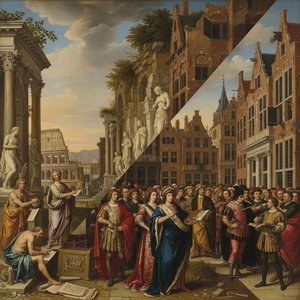
Jan Gossaert (Mabuse): Pioneering Renaissance Style & the Birth of Netherlandish Antiquity
Explore the groundbreaking art of Jan Gossaert (Mabuse), a pioneer of Renaissance painting in the Low Countries. Discover his Romanist style, stunning portraits, and influence on Northern European art history.
10 легендарных офортов, изменивших искусство навсегда | OriginalUniqueArt
Откройте для себя 10 легендарных офортов Дюрера, Рембрандта и Гойи! Узнайте историю создания шедевров графики и вдохновитесь искусством. Репродукции картин премиум-качества на OriginalUniqueArt.com – для вашего интерьера.

Etching Unlocked: The Sharp, High-Impact Art of Line and Shadow for the Modern Collector
Master the high-impact world of etching. Explore the transformative power of line and shadow through the intaglio tradition, from its armor-making origins to modern collecting strategies for the sophisticated art enthusiast.

The Intricate World of Etching: A Historical Survey of Technique, Aesthetic Evolution, and Enduring Artistic Impact
Explore the rich history of etching, from its origins to modern practice. Discover techniques, key artists like Rembrandt, and insights for collectors. A comprehensive guide by OriginalUniqueArt.
