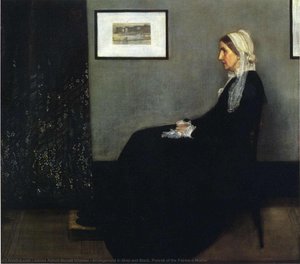
Предпросмотр
 Поделиться
 Поделиться
 Детали произведения
 Руководство

 Скачать
 Похожие предметы
 Рентгенография
 Слайд-шоу
 Вопросы и ответы
 Статистика просмотров
Кузница


 Читать далее
Жикле и арт-принты
Печать (жикле) или холст музейного качества с быстрыми сроками изготовления и широким выбором вариантов отделки. ( Купить картину ручной работы Перейти к цифровым изображениям)




P118B $10

P118H $10

P118W $10

P438Z $10

P508JH $12

P508YH $12

P805H $10

P805Z $10

P919BZ $10

P919G $10

P919XJ $10

P959ZH $10

P968JZ $12

W106C $8

W218G $10

W218JH $8

W218Y $10

W307PJ $10

W316G $10

W316PJ $8

W316Y $10

W398PJ $8

W4111J $10

W500HY $15

W500JH $15

W692G $12

W849H $8

W940BG $15

W953PJ $8




Выберите один из наших стандартных размеров, соответствующих оригинальным пропорциям произведения искусства.

Введите необходимую ширину и высоту, чтобы репродукция подошла к вашей раме или стене. При печати изображение можно только уменьшить, но нельзя увеличить больше оригинала, поэтому при выборе другого формата часть изображения может быть обрезана. Перед печатью мы отправим вам цифровой макет на утверждение. Изображение на этой странице не отображает реальную обрезку — ее можно увидеть только на макете.
Доставка по всему миру () за 2 недели вместо стандартных 4–5 недель. (4 Ноябрь)

Бесплатная экспресс-доставка по всему миру

Высококачественный льняной холст

Полное страхование при доставке

Гарантия возмещения таможенных пошлин

Гарантия точного цветового соответствия

100-дневная гарантия возврата (только при обнаружении дефектов)

Гарантия возврата 100% средств

Скидка при оптовом заказе
 Вариант со стеклом доступен только для размеров менее 110 см

Кузница
Жикле и арт-принты
Размер репродукции
-


Итоговая стоимость
$ 81
Уистлер: Жизнь в искусстве
Ранняя жизнь и влияния
- Родился 14 июля 1834 года в Лоуэлле, штат Массачусетс, Джеймс Эбботт Макнил Уистлер начал свою жизнь под влиянием карьеры его отца как железнодорожного инженера.
- Частые переезды привили ему адаптивность и знакомство с разнообразными средами обитания.
- Он временно посещал Военную Академию США в Вест-Пойнте, но обнаружил ее несоответствие своим художественным склонностям.
- Последующая работа с Геодезической службой США задержала его стремление к искусству, но не погасила его энтузиазм.
- Его юные годы были отмечены ранним интересом к рисованию и желанием стать профессиональным художником.
"Кузница": Запечатленный момент в угльях
"Кузница", созданная в 1861 году Джеймсом Эбботт Макнилом Уистлером, является поразительной монохромной рисунок углем, который дает представление об обычной жизни с изысканной простотой. Эта работа демонстрирует эволюционирующий художественный стиль Уистлера и его растущий интерес к техникам гравюры. Вместо изображения грандиозной истории или символической сцены произведение искусства сосредоточено на запечатлении мимолетного момента – группу мужчин, занятых разговором или деятельностью в обстановке кузницы или таверны.
Стиль и техника: Тонализм и наблюдательная реализм
Рисунок выполнен в стиле, склонном к реализму, но пронизан элементами тонализма – художественного направления, подчеркивающего тонкие оттенки света и тени. Мастерское использование углей позволяет Уистлеру создавать ощущение глубины и текстуры путем изменения давления на бумагу. Плотные тени определяют формы, а более светлые линии указывают детали, создавая зернистую поверхность, которая добавляет рисунку непосредственность. Перспектива неглубока, фокусируется на переднем плане и создает ощущение интимности. Здесь нет явных символических элементов; вместо этого Уистлер представляет собой документальное наблюдение за обычной сценой.
Исторический контекст: Инновации в гравировке и парижское влияние
"Кузница" была создана во время ключевого периода карьеры Уистлера. После того как он провел юность в Лондоне со своей полусестрой и ее мужем, страстным гравюристом, он развил раннюю любовь к гравировке. После переезда в Париж в 1855 году Уистлер погрузился в изучение искусства под руководством таких фигур, как Себастьян Буре. Он начал экспериментировать с гравировкой, открывая новые горизонты путем перехода от репродуктивных гравюр к исследованию выразительного потенциала этого медиума. Эта работа отражает эти эксперименты и демонстрирует его растущее мастерство использования углей в качестве инструмента для запечатления мимолетных моментов и тонких тональных вариаций.
Эмоциональное воздействие: Тихий взгляд и сдержанная драма
"Кузница" вызывает ощущение спокойного наблюдения и сдержанной драмы. Отсутствие явной истории позволяет зрителю проецировать свои собственные интерпретации на сцену, укрепляя личную связь с произведением искусства. Мастерство Уистлера в изображении нюансов света и тени создает атмосферу интимности и реализма, приглашая к размышлению о простой красоте повседневной жизни. Это свидетельство его способности находить художественную ценность в обычных моментах, превращая их в убедительные произведения искусства.
Вопросы и ответы
Находится ли изображение «Кузница», Уистлер в общественном достоянии?
Что касается авторских прав, произведение «Кузница» находится в общественное достояние — срок действия авторского права истёк.
Насколько выражен контраст в «Кузница», Уистлер?
Светотеневой контраст произведения «Кузница» составляет Спокойный. Контраст определяет степень различия между светлыми и темными участками.
Насколько гармонично сочетаются цвета в работе «Кузница», Уистлер?
В работе «Кузница», Уистлер представлена Цельная палитра цветовая гармония.
Биография художника
A Life Shaped by Aestheticism: The World of James Abbott McNeill Whistler
James Abbott McNeill Whistler, born in Lowell, Massachusetts in 1834, was a figure perpetually at odds with convention—a painter who championed “art for art’s sake” during an era obsessed with moralizing narratives. His early life, marked by frequent relocations due to his father's railroad engineering career, instilled within him a sense of adaptability and exposure to diverse environments. A brief, unhappy stint at West Point proved ill-suited to his artistic temperament, followed by work with the U.S. Coast and Geodetic Survey that, while delaying, did not extinguish his burgeoning passion for art. These formative years were characterized by an innate talent for drawing and a resolute desire to forge a path as a professional artist, a pursuit that would ultimately lead him across the Atlantic and into the heart of the European avant-garde. The seeds of Whistler’s artistic rebellion were sown early, nurtured by a spirit that resisted conformity and embraced aesthetic exploration above all else.Parisian Beginnings and the Cultivation of Style
The pivotal moment in Whistler's artistic journey arrived with his move to Paris in 1855. Here, under the tutelage of Sébastien Bouré, he honed his skills in oil painting, watercolor, and printmaking, absorbing the influences of French Realism and the Barbizon School painters. However, Whistler quickly transcended mere imitation, developing a distinctive style characterized by tonal harmonies and atmospheric effects. He wasn’t interested in replicating reality; rather, he sought to capture its *essence*, its fleeting moods and subtle nuances. This period marked a crucial shift from representational accuracy towards an exploration of pure aesthetic form. His early works already hinted at the delicate balance between observation and abstraction that would define his mature style. It was in Paris that Whistler began to articulate his belief that art should be judged solely on its aesthetic qualities, free from didactic or moralizing constraints—a philosophy that would become the cornerstone of his artistic practice and a defining characteristic of the Aesthetic movement. He experimented with Japanese prints (ukiyo-e), finding inspiration in their bold compositions and evocative use of color, which profoundly influenced his own approach to design and arrangement.Nocturnes, Portraits, and the Pursuit of Harmony
Whistler’s artistic vision crystallized in several key themes and stylistic choices. He championed the concept of “art for art’s sake,” rejecting narratives laden with moral or social commentary. His work became an exercise in capturing subtle nuances of light, color, and atmosphere—a pursuit that led to his iconic *Nocturnes*. These atmospheric paintings of twilight scenes, often depicting the Thames River at night, were not intended as literal depictions but rather as evocative impressions, studies in tonal harmony and mood. He frequently employed limited palettes and delicate brushwork, creating a sense of ethereal beauty and quiet contemplation. Whistler also developed a unique approach to portraiture, treating his sitters not merely as likenesses but as compositional elements within a carefully constructed aesthetic framework. *Arrangement in Grey and Black No. 1*—better known as *Whistler’s Mother*—demonstrates this approach perfectly, transforming a familial portrait into an iconic image of Victorian motherhood through its masterful use of form and tone. The painting's power lies not in a realistic portrayal but in the carefully balanced arrangement of shapes and colors, evoking a sense of serenity and dignity.Controversy, Influence, and Lasting Legacy
Whistler’s career was not without controversy. The infamous libel suit brought against him by the critic John Ruskin in 1878, sparked by *Nocturne in Black and Gold – The Falling Rocket*, became a landmark moment in art history. Whistler successfully defended his artistic autonomy, arguing that his paintings were not intended to be realistic representations but rather aesthetic arrangements of color and form. This case elevated his profile and ignited important debates about the nature of art criticism and artistic freedom. Beyond this legal battle, Whistler’s influence extended far and wide. He was deeply inspired by Japanese prints (ukiyo-e), which informed his compositional principles and emphasis on decorative patterns, as well as the tonal mastery of Spanish painters like Velázquez. His advocacy for “art for art’s sake” profoundly impacted the Aesthetic movement in England and America, paving the way for modernism and challenging conventional notions about artistic purpose. He left an indelible mark on American art, inspiring generations of artists to embrace formalist approaches and explore the expressive potential of color and composition. Whistler died in London in 1903, leaving behind a body of work that continues to captivate and inspire. His unwavering commitment to artistic principles and his relentless pursuit of aesthetic beauty cemented his place as a pivotal figure in the history of art.- Notable Works: *The Forge* (1861), *Portrait of Charles Lang Freer* (1873), *Brown and Gold: The Gold Girl—Connie Gilchrist* (1876-77), *Arrangement in Grey and Black No. 1 (Whistler’s Mother)* (1871), *Nocturne in Black and Gold – The Falling Rocket* (1875).
- Influences: Japanese prints, Velázquez.

Уистлер
1834 - 1903 , Соединенные Штаты Америки
Об авторе
- Artistic Movement Or Style: Эстетизм, тонализм
- Artists Or Movements Influenced By This Artist:
- Эстетическое движение
- Современное искусство
- Artists Who Influenced This Artist:
- Веласкес
- Японские гравюры
- Date Of Birth: 14 июля 1834 г.
- Date Of Death: 1903 г.
- Full Name: James Abbott McNeill Whistler
- Nationality: Американский
- Notable Artworks:
- Мать Уиттлера
- Ноктюрн: Синий и Серебро
- Forge
- Place Of Birth: Лоуэлл, США
Похожие статьи

Mastering Charcoal: The Definitive Expert Guide to Capturing Profound Depth, Texture, and Shadow
Elevate your artistry with this definitive expert guide to mastering charcoal. Designed for art students, learn professional techniques for capturing profound depth, intricate textures, and dramatic shadows through advanced blending and chiaroscuro methods.

Mastering the Line: A Comprehensive Expert Guide to Technical Precision and Expressive Depth in Drawing
Elevate your artistic practice with this expert guide to mastering the line. Discover advanced techniques in graphite, charcoal, and contour drawing designed for art students seeking technical precision and expressive depth in their fine art studies.
Tonalism Explained: The Art of Mood, Mist, and Masterful Color in Landscape Painting
Discover the evocative world of Tonalism. Explore how masters like Whistler and Tryon used mist, shadow, and subtle color to capture profound mood and atmosphere in landscape art. An expert guide for fine art enthusiasts and collectors.

Джеймс Уистлер: Топ-25 шедевров художника для ценителей искусства и декора
Погрузитесь в мир Джеймса Уистлера! Топ-25 шедевров художника, от знаменитых ноктюрнов до изысканных портретов. Узнайте историю создания и эстетику каждой картины. Репродукции высокого качества для вашего интерьера на OriginalUniqueArt.com.
The Nuances of Graphite: Exploring Emotional Depth & Technical Mastery in Pencil Drawing
Explore the captivating world of graphite drawing! Discover its rich history, master essential techniques like chiaroscuro, and learn how artists evoke emotion through this timeless medium. Expert insights for art enthusiasts.