 Предпросмотр
 Поделиться
 Поделиться
 Детали произведения
 Руководство

 Скачать
 Похожие предметы
 Рентгенография
 Слайд-шоу
 Вопросы и ответы
 Статистика просмотров
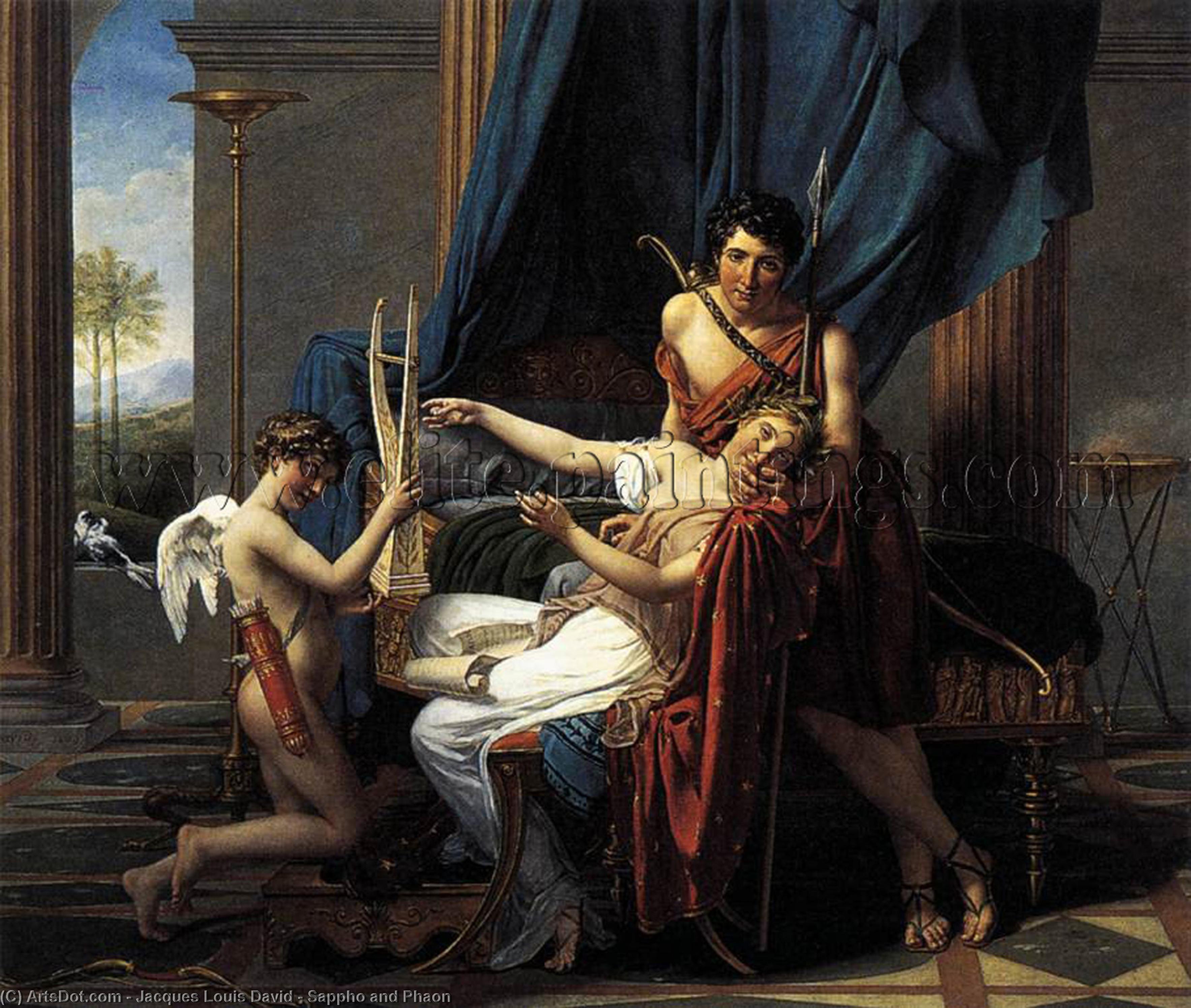
Сапфо и Фаон


 Читать далее
Жикле и арт-принты
Печать (жикле) или холст музейного качества с быстрыми сроками изготовления и широким выбором вариантов отделки. ( Купить картину ручной работы Перейти к цифровым изображениям)




P118B $10

P118H $10

P118W $10

P438Z $10

P508JH $12

P508YH $12

P805H $10

P805Z $10

P919BZ $10

P919G $10

P919XJ $10

P959ZH $10

P968JZ $12

W106C $8

W218G $10

W218JH $8

W218Y $10

W307PJ $10

W316G $10

W316PJ $8

W316Y $10

W398PJ $8

W4111J $10

W500HY $15

W500JH $15

W692G $12

W849H $8

W940BG $15

W953PJ $8




Выберите один из наших стандартных размеров, соответствующих оригинальным пропорциям произведения искусства.

Введите необходимую ширину и высоту, чтобы репродукция подошла к вашей раме или стене. При печати изображение можно только уменьшить, но нельзя увеличить больше оригинала, поэтому при выборе другого формата часть изображения может быть обрезана. Перед печатью мы отправим вам цифровой макет на утверждение. Изображение на этой странице не отображает реальную обрезку — ее можно увидеть только на макете.
Доставка по всему миру () за 2 недели вместо стандартных 4–5 недель. (7 Ноябрь)

Бесплатная экспресс-доставка по всему миру

Высококачественный льняной холст

Полное страхование при доставке

Гарантия возмещения таможенных пошлин

Гарантия точного цветового соответствия

100-дневная гарантия возврата (только при обнаружении дефектов)

Гарантия возврата 100% средств

Скидка при оптовом заказе
 Вариант со стеклом доступен только для размеров менее 110 см

Сапфо и Фаон
Жикле и арт-принты
Размер репродукции
-


Итоговая стоимость
$ 81
Сапфо и Фаон: неоклассическая повесть о страсти и желании
«Сапфо и Фаон» (1809) Жака-Луи Давида — это захватывающее неоклассическое полотно, которое переносит зрителя в мир древних мифов, глубоких чувств и драматического повествования. Это произведение, заказанное князем Николаем Юсуповым, является единственной работой Давида, хранящейся в Государственном Эрмитаже, и оно открывает нам поразительный взгляд на мастерство художника в работе с формой, цветом и сюжетом.Сюжет: переосмысление мифа
Картина повествует о легендарной истории любви Сапфо, прославленной лирической поэтессы Древней Греции, и Фаона, перевозчика, покорившего её сердце. Давид запечатлел поворотный момент их романа — сцену, наполненную тоской, уязвимостью и зарождающейся страстью. Сапфо сидит, откинувшись назад, в то время как Фаон нежно поддерживает её голову, а Купидон пытается вновь разжечь пламя любви с помощью своей лиры. Композиция опирается непосредственно на классический сюжет, переосмысленный через самобытный художественный взгляд Давида.Стиль и техника: совершенство неоклассицизма
«Сапфо и Фаон» являет собой воплощение канонов неоклассического искусства. Давид с исключительной тщательностью выстраивает сцену, характеризующуюся порядком, гармонией и идеализированной красотой. Фигуры прописаны с анатомической точностью, напоминающей античную скульптуру. Его техника демонстрирует:- Безупречную манеру письма, создающую эффект гладкой, отполированной поверхности;
- Виртуозное использование кьяроскуро — драматического контраста света и тени для усиления эмоционального воздействия;
- Насыщенную, живую палитру, подчеркивающую роскошь обстановки;
- Выверенную детализацию тканей, архитектурных элементов и мимики лиц.
Исторический контекст: от Революции до Империи
Творческий путь Давида охватил бурные периоды французской истории — от неистовства Великой французской революции до восхождения Наполеона. Хотя эта картина была создана на более позднем этапе его жизни, после революционных лет, она по-прежнему отражает его приверженность классическим идеалам как способу передачи универсальных истин о человеческом опыте. Заказ этого произведения российским князем также свидетельствует о международном признании таланта Давида и непреходящей привлекательности неоклассической эстетики. Полотно перекликается с его более ранними работами, такими как «Любовь Париса и Елены», демонстрируя неизменный интерес художника к мифологическим нарративам.Символизм и интерпретация
Помимо внешней красоты, «Сапфо и Фаон» глубоко символичны:- Присутствие Купидона олицетворяет всевластие любви и желания;
- Лира символизирует поэтический голос Сапфо и её художественное самовыражение;
- Роскошный интерьер намекает на мир изысканности, чувственности и утонченного вкуса;
- Заботливый жест Фаона воплощает нежность и преданность, присущие их отношениям.
Эмоциональное воздействие и эстетическая ценность
«Сапфо и Фаон» вызывает мощный эмоциональный отклик. Драматизм композиции в сочетании с изысканной детализацией и яркими цветами создает атмосферу всепоглощающей страсти и беззащитности. Это произведение, приглашающее к размышлению о сложности любви, желаний и вечной силе мифа. Сбалансированная композиция и утонченная эстетика делают картину великолепным центромльного элементом любого интерьера — от классического до современного — и бесценным дополнением к любой коллекции произведений искусства. Вневременное качество этой живописи гарантирует её актуальность и притягательность для будущих поколений.Вопросы и ответы
Какой размер печати рекомендуется для работы "Сапфо и Фаон"?
Рекомендуемый размер печати для «Сапфо и Фаон», Давид — Крупный формат.
Какой основной оттенок у «Сапфо и Фаон», Давид?
В работе «Сапфо и Фаон», Давид преобладает Преобладание золотисто-жёлтых тонов-й оттенок.
Какой размер «Сапфо и Фаон» рекомендуется для Гостиная?
Для помещения Гостиная для работы «Сапфо и Фаон» рекомендуется размер печати Крупный формат.
Биография художника
A Brushstroke Across Revolution: The Life and Art of Jacques-Louis David
Jacques-Louis David, born in Paris in 1748, was more than just a painter; he was a visual chronicler of an era defined by upheaval, idealism, and the relentless pursuit of new orders. His life mirrored the dramatic shifts unfolding across France – from the waning opulence of the Rococo to the austere clarity of Neoclassicism, and ultimately, through the tumultuous years of revolution and Napoleonic glory. A childhood marked by the early loss of his father and a facial impediment that initially hindered his speech seemed only to sharpen his observational skills and fuel an unwavering dedication to artistic mastery. Though initially apprenticed to François Boucher, David quickly found himself drawn to the more morally resonant work of Joseph-Marie Vien, whose emphasis on history painting and classical subjects resonated with a burgeoning sense of purpose within the young artist. His early attempts to win the prestigious Prix de Rome were fraught with frustration, yet these repeated setbacks only intensified his resolve, forging a relentless perfectionism that would characterize his entire career.The Birth of Neoclassical Drama
David’s artistic evolution wasn't merely a stylistic shift; it was a philosophical statement. He rejected the frivolous ornamentation and playful themes of the Rococo, embracing instead the clarity, order, and moral seriousness inherent in classical antiquity. This commitment was profoundly influenced by archaeological discoveries at Pompeii and Herculaneum, which unveiled a world of Roman art and architecture previously lost to time. These ruins ignited within him a passion for recreating the grandeur and heroic ideals of the ancient world. His breakthrough came with “Oath of the Horatii” (1784), a painting that transcended mere artistic skill to become an emblem of civic virtue and patriotic sacrifice. The stark composition, dramatic lighting – carefully calculated to heighten emotion – and precise draftsmanship were revolutionary, signaling a decisive break from the past. It wasn’t simply *what* he painted but *how* – a deliberate construction designed to evoke powerful emotional responses and inspire contemplation on themes of duty, honor, and self-sacrifice. The figures are rendered with an almost sculptural quality, embodying Roman ideals of strength and virtue. This work didn't just announce a new style; it foreshadowed the ideological currents that would soon sweep across France.Revolution and Remembrance: Art as Political Weapon
As the French Revolution erupted in 1789, David was not merely an observer but an active participant. A fervent supporter of the revolutionary cause and a close associate of Maximilien Robespierre, he saw art as a powerful tool for shaping public opinion and immortalizing the ideals of the new republic. His paintings during this period became potent symbols of revolutionary martyrdom and republican fervor. Perhaps his most iconic work from this era is “The Death of Marat” (1793), a hauntingly realistic depiction of the assassinated journalist, transformed into a secular saint. The pale body, the makeshift desk, the poignant letter clutched in Marat's hand – all contribute to an image of profound sorrow and sacrifice for the cause of liberty. David’s deliberate use of chiaroscuro (strong contrasts between light and dark) intensifies the drama and draws the viewer’s eye directly to the central figure. He served on the Committee of Public Safety during the Reign of Terror, even signing Robespierre’s death warrant, demonstrating his deep entanglement with the political machinations of the time – a controversial act that reflects the complexities of his commitment to revolutionary ideals.From Revolution to Empire: Serving Napoleon
The fall of Robespierre marked another turning point in David's career. With remarkable adaptability, he navigated the shifting political landscape and aligned himself with Napoleon Bonaparte, becoming the First Consul’s official court painter. This new patronage ushered in a period of grand-scale commissions designed to glorify Napoleon’s victories and achievements. “Napoleon Crossing the Alps” (1801-1805) is perhaps the most famous example – a masterful piece of propaganda that presents Napoleon as a heroic, almost mythical figure conquering both nature and adversity. The dramatic lighting, the dynamic composition, and the carefully chosen details all contribute to an image of unparalleled power and authority. “The Coronation of Napoleon” (1807), an immense canvas capturing the opulence and grandeur of the imperial ceremony, further cemented David’s position as the preeminent artist of the Napoleonic era. During this time, his palette subtly shifted, incorporating warmer Venetian colors while maintaining the precision and clarity that defined his style – a reflection of Napoleon's ambition to emulate the splendor of the Roman emperors.Exile, Legacy, and Enduring Influence
The Bourbon Restoration in 1814 brought renewed peril for David, whose association with the fallen Napoleon made him a target of persecution. He chose exile in Brussels in 1816, where he continued to paint and teach until his death on December 29, 1825. Even in exile, his influence remained profound. He trained numerous pupils, including Jean-Auguste-Dominique Ingres, who would become one of the most important neoclassical painters of the 19th century. David’s emphasis on draftsmanship, composition, and historical accuracy left an indelible mark on French art. *His legacy extends beyond mere imitation*; his expressive distortions of form and space even foreshadowed the innovations of later artists like Henri Matisse and Pablo Picasso. Jacques-Louis David was not simply a painter of his time; he *defined* it, capturing its spirit of revolution, ambition, and enduring ideals on canvas for generations to come.- Major Achievements: Established Neoclassicism as the dominant style in French painting.
- Historical Significance: Created iconic images that captured the spirit of the French Revolution and the Napoleonic era.
- Influence: Trained a generation of influential artists who carried on his legacy.

Давид
1748 - 1800 , Франция
Об авторе
- Artistic Movement Or Style: Неоклассицизм
- Artists Or Movements Influenced By This Artist:
- Жан-Луи Тоссайн д’Анжубер
- Романтизм
- Artists Who Influenced This Artist:
- Жан-Август-Доминик Дюран
- Жозеф-Мари Виен
- Date Of Birth: 30 августа 1748 г.
- Date Of Death: 29 декабря 1825 г.
- Full Name: Jacques-Louis David
- Nationality: Француз
- Notable Artworks:
- Клятва Горатиев
- Смерть Марата
- Наполеон переходит Альпы
- Place Of Birth: Париж, Франция
Похожие статьи
The Revival of Antiquity: Exploring Ideals of Beauty & Power in Neoclassical Portraiture
Explore the captivating world of Neoclassical portraiture! Discover the power & ideals behind masterpieces by David, Girodet & more. Expert analysis, custom reproductions & art appraisal at OriginalUniqueArt.

The Revival of Antiquity: Exploring Neoclassical Art's Ideals & Enduring Legacy
Explore the revival of classical ideals in Neoclassical art! Discover Jacques-Louis David & the movement's impact on painting, sculpture & architecture. Expert insights & high-quality reproductions at OriginalUniqueArt.

Neoclassical Portraiture: The Timeless Elegance of Order, Grace, and Academic Mastery
Explore the refined world of Neoclassical portraiture. Discover the mastery of line, light, and order through an expert exploration of academic art history, from Jacques-Louis David to Jean-Antoine Houdon. Immerse yourself in the timeless elegance of classical realism.

Jacques-Louis David: Neoclassical Ideals & Revolutionary Witness
Explore the life & art of Jacques-Louis David, leading Neoclassical painter of the French Revolution. Discover iconic works like 'The Death of Marat' and his lasting impact on art history. Expert analysis & high-quality reproductions at OriginalUniqueArt.
10 Шедевров Неоклассицизма: Искусство, Определившее Эпоху | OriginalUniqueArt
Погрузитесь в мир неоклассицизма! 10 шедевров от Давида, Кановы и других великих художников. Узнайте историю создания культовых картин и найдите идеальную репродукцию для вашего интерьера на OriginalUniqueArt.com