Fauvism · 1923
Nude (Андре Дерен, 1923)
Андре Дерен (1880–1954) создал(а) Nude. Создано в 1923. Относится к направлению Fauvism. Выполнено в технике Oil On Canvas. Размер: 44 × 58 cm
- 1923
- Oil On Canvas
- 44 × 58 cm

 Предпросмотр

 Картина маслом ручной работы
 Поделиться
 Поделиться
 Информационный лист


 Скачать
 Похожие предметы
 Рентгенография
 Слайд-шоу
 Вопросы и ответы

 Статистика просмотров
Nude вкратце
- Название
- Nude
- Автор
- Андре Дерен (1880–1954)
- Дата рождения художника
- Шату, Франция
- Дата
- 1923
- Техника
- Oil On Canvas
- Размеры
- 44 × 58 cm
- Движение
- Fauvism
- Период
- Modern
- Сюжет
- woman, nude, female figure, grayscale, seated woman
Что изображено на Nude?
Identification of the Nude by André Derain
In this 1923 work, titled Nude, André Derain turns his attention to the quietude of the human form. The painting presents a nude female figure, captured in a moment of stillness that invites a closer, more intimate observation. It is a study of presence and form, rendered with a focus on the essential character of the subject.
The artist, André Derain, approaches the figure with a sense of restraint. Rather than relying on the loud, unmixed hues of his earlier Fauvist period, this piece reflects a more disciplined sensibility. The subject is seated and facing forward, occupying the central space of the composition. There is a certain gravity to her pose, suggesting a state of introspection or perhaps a quiet contemplation of her surroundings.
This work belongs to a period in the artist's career where structure and form began to take precedence. The figure is defined by simplified shapes and a deliberate use of line. It is a direct encounter with the subject, stripped of unnecessary distraction, allowing the viewer to focus entirely on the weight and volume of the female form as it exists within the frame.
Composition and Visual Elements
The figure is centrally positioned within the frame, creating a quiet sense of balance that draws the eye immediately to the subject. She is seated in a moment of stillness, her pose defined by arms crossed and resting upon her legs. This arrangement suggests a state of introspection or perhaps a simple, unhurried relaxation. The composition avoids complex spatial arrangements, opting instead for a relatively flat perspective that lacks a strong sense of depth, keeping the viewer's attention fixed on the immediate presence of the form.
There is a deliberate simplification in how the human form is rendered. The artist employs simplified geometric shapes to represent the body, using curves to trace the silhouette while sharper angles define the features of the face, such as the nose and eyebrows. This structural approach gives the figure a certain weight and presence despite the lack of environmental detail. The background remains largely undefined, which serves to isolate the subject and emphasize the contours of her body.
The palette is strictly monochromatic, relying on a controlled range of shades including gray, white, and black. Rather than using color to create volume, the artist uses subtle variations in tone to model the figure. Strong, visible brushstrokes define the contours of the body and the facial features. These lines are not blended into smooth transitions; instead, they retain an individual character that adds a tactile energy to the surface. The interplay between these textured strokes and the softer areas of the skin creates a visual rhythm that is both disciplined and expressive.
Technique and Material Details
This work is an oil on canvas, executed with a deliberate and tactile approach to the medium. The artist employs visible brushstrokes that remain unblended in many areas, creating a surface defined by its physical texture. These marks are not merely marks of application but are essential to the structural definition of the figure, providing a sense of energy and movement across the form.
There is a clear evidence of layering and careful blending used to achieve subtle tonal variations. This technique allows for a nuanced transition between light and shadow, giving the subject a sense of volume and presence. The interplay of these layers creates a depth that relies on the weight of the paint rather than a reliance on linear perspective. The result is a surface where the materiality of the oil paint is as much a part of the composition as the subject itself.
Изображения в высоком разрешении: Nude

Общественное достояние: художник умер в 1954.
Другие размеры, фрагменты и цитирование →Андре Дерен, Nude (1923). Общественное достояние
Ответы на вопросы о Nude
В каком году было создано произведение «Nude», Андре Дерен?
«Nude», Андре Дерен был создан в 1923 году.
В какой технике выполнено произведение «Nude», Андре Дерен?
«Nude» выполнено в технике Oil On Canvas.
Каковы размеры оригинала «Nude»?
Размер оригинала произведения «Nude» составляет 44 x 58 cm. Оригинальные размеры могут служить полезным ориентиром при выборе размера репродукции.
Что изображено на картине «Nude», Андре Дерен?
Темы, представленные в «Nude», Андре Дерен, включают woman, nude, female figure, grayscale, seated woman. Вместе они раскрывают основной сюжет произведения.
Находится ли изображение «Nude», Андре Дерен в общественном достоянии?
Произведение «Nude», Андре Дерен находится в общественное достояние — срок действия авторского права истёк. Этот статус определяет правила воспроизведения изображения данного произведения.
Кто является автором работы «Nude»?
Авторство работы «Nude» приписывается Андре Дерен.
К какому художественному направлению относится «Nude», Андре Дерен?
«Nude» — это произведение в стиле Fauvism. Данное направление указывает на художественную традицию, к которой относится эта работа.
К какому периоду творчества Андре Дерен относится произведение «Nude»?
В творческом наследии Андре Дерен работа «Nude» относится к периоду Return to order. Этот этап позволяет сопоставить её с другими произведениями художника.
Сколько лет было Андре Дерен, когда создавалось произведение «Nude» в 1923 году?
Когда в 1923 году было создано произведение «Nude», художнику Андре Дерен (родившемуся в 1880) было 43 лет.
Об авторе, Андре Дерен
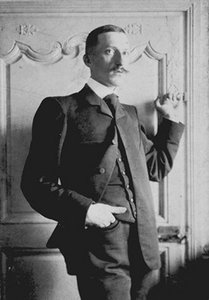
1880–1954, Франция
Андре Дерен
Ранние годы, семья и обучение В 1880 году в Шату, уютной деревушке в регионе Ивлин, на свет появился Андре Дерен. Его детство прошло среди безмятежных пейзажей Иль-де-Франс, где в душе юного художника начало прорастать естественное любопытство к окружающему миру. Уже к 1895 году он приступил к самостоятельному изучению искусства, стремясь постичь визуальную реальность собственными глазами, не полагаясь на строгие академические каноны. Этот период свободного поиска позволил ему сформировать уникальный, глубоко личный взгляд на мир еще до того, как суровость художественных академий смогла наложить свой отпечаток на его творческое восприятие.
Другие работы Андре Дерен
 bathers1907
 London Bridge1906
 Charing Cross from sw1906
 Landscape at L'Estaque1906
Эссе к произведению Nude
 French artworks of the 1920sIconic French works by Matisse and Léger define the 1920s. Explore the full collection online at OriginalUniqueArt.com.
 The Evolving Human Form: Tracing Light and Flesh from Impressionism to Post-ImpressionismExplore the evolution of the human form from academic realism to Post-Impressionism. Trace the history of light and flesh with us.
 The Architecture of Stillness: A Curated Study of Seated Figures in Art HistoryExplore the psychological depth of seated figures from Rembrandt to Roman realism. Discover the secrets of art history now.