Меню

() ·

A painting made for you, by hand

Человек у окна

Масляная репродукция ручной работы

Картина маслом на холсте в выбранном вами размере и раме, написанная на заказ нашими художниками. ( Переключиться на печать Перейти к цифровым изображениям)

Описание предмета

Погрузитесь в парижскую жизнь с шедевром Гюстава Кайботта «Человек у окна» (1875). Реализм, предвосхищающий импрессионизм, размышления об одиночестве и современности.

Биография художника

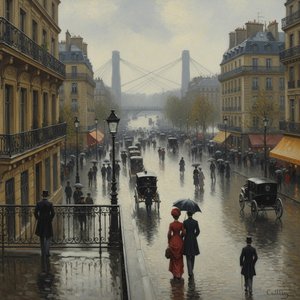
Густав Кайботт (1848-1894): французский художник, мастер реалистичной и импрессионистской живописи парижской жизни. Известен картиной «Парижская улица; дождливый день». Уникальные перспективы.

from ·

Chapter 1

How large should it be?

Slide to change the size; the picture on the left shows the frame at its real width. The proportions of the original are kept.

Стандартный размер
индивидуальный заказ
CM
INCH

Выберите один из наших стандартных размеров, соответствующих оригинальным пропорциям произведения искусства.

ширина
высота

Введите необходимую ширину и высоту, чтобы репродукция подошла к вашей раме или стене. Поскольку работа выполняется вручную, при изменении пропорций художник может немного увеличить область вокруг картины или, наоборот, обрезать края — выбор за вами. Перед началом работы мы пришлем вам цифровой макет на утверждение. Изображение на этой странице не является точным результатом — увидеть реальный вид можно только на макете.

Chapter 2

How should it arrive?

Choose the edges of the stretched canvas

Choose your frame

Corner sample of the WhiteWrap canvas edge finish, stretched on массив дерева bars
White $1
Corner sample of the BlurSideWrap canvas edge finish, stretched on массив дерева bars
Blurside $1
Corner sample of the ExtendedWrap canvas edge finish, stretched on массив дерева bars
Extended $1
Corner sample of the P118B picture frame: формованный полистирол, 5 cm wide and 3 cm thick
P118B $10
Corner sample of the P118H picture frame: формованный полистирол, 5 cm wide and 3 cm thick
P118H $10
Corner sample of the P118W picture frame: формованный полистирол, 5 cm wide and 3 cm thick
P118W $10
Corner sample of the P438Z picture frame: формованный полистирол, 5.5 cm wide and 3.5 cm thick
P438Z $10
Corner sample of the P508JH picture frame: формованный полистирол, 7 cm wide and 3.5 cm thick
P508JH $12
Corner sample of the P508YH picture frame: формованный полистирол, 7 cm wide and 3.5 cm thick
P508YH $12
Corner sample of the P805H picture frame: формованный полистирол, 5 cm wide and 3.5 cm thick
P805H $10
Corner sample of the P805Z picture frame: формованный полистирол, 5 cm wide and 3.5 cm thick
P805Z $10
Corner sample of the P919BZ picture frame: формованный полистирол, 7 cm wide and 3.5 cm thick
P919BZ $10
Corner sample of the P919G picture frame: формованный полистирол, 7 cm wide and 3.5 cm thick
P919G $10
Corner sample of the P919XJ picture frame: формованный полистирол, 7 cm wide and 3.5 cm thick
P919XJ $10
Corner sample of the P959ZH picture frame: формованный полистирол, 5 cm wide and 3 cm thick
P959ZH $10
Corner sample of the P968JZ picture frame: формованный полистирол, 6 cm wide and 4 cm thick
P968JZ $12
Corner sample of the W106C picture frame: массив дерева, 5 cm wide and 3 cm thick
W106C $8
Corner sample of the W218G picture frame: массив дерева, 5 cm wide and 3 cm thick
W218G $10
Corner sample of the W218JH picture frame: массив дерева, 5 cm wide and 3 cm thick
W218JH $8
Corner sample of the W218Y picture frame: массив дерева, 5 cm wide and 3 cm thick
W218Y $10
Corner sample of the W307PJ picture frame: массив дерева, 6 cm wide and 3 cm thick
W307PJ $10
Corner sample of the W316G picture frame: массив дерева, 6 cm wide and 3 cm thick
W316G $10
Corner sample of the W316PJ picture frame: массив дерева, 6 cm wide and 3 cm thick
W316PJ $8
Corner sample of the W316Y picture frame: массив дерева, 6 cm wide and 3 cm thick
W316Y $10
Corner sample of the W398PJ picture frame: массив дерева, 5 cm wide and 3 cm thick
W398PJ $8
Corner sample of the W4111J picture frame: массив дерева, 6.5 cm wide and 3.5 cm thick
W4111J $10
Corner sample of the W500HY picture frame: массив дерева, 7 cm wide and 5 cm thick
W500HY $15
Corner sample of the W500JH picture frame: массив дерева, 7 cm wide and 5 cm thick
W500JH $15
Corner sample of the W692G picture frame: массив дерева, 8 cm wide and 4 cm thick
W692G $12
Corner sample of the W849H picture frame: массив дерева, 5 cm wide and 3 cm thick
W849H $8
Corner sample of the W940BG picture frame: массив дерева, 7.5 cm wide and 4.5 cm thick
W940BG $15
Corner sample of the W953PJ picture frame: массив дерева, 6 cm wide and 3.5 cm thick
W953PJ $8
Corner sample of the H24-GOLD picture frame: резное дерево с левкасом, 10 cm wide and 6 cm thick
H24-GOLD $30
Corner sample of the H24-SILVER picture frame: резное дерево с левкасом, 10 cm wide and 6 cm thick
H24-SILVER $30
Corner sample of the H36-GOLD picture frame: резное дерево с левкасом, 15 cm wide and 6.5 cm thick
H36-GOLD $45
Corner sample of the H36-SILVER picture frame: резное дерево с левкасом, 15 cm wide and 6.5 cm thick
H36-SILVER $45
Предпросмотр в раме
В раме

Moulding: . Overall size with the frame: .

Chapter 3

Who paints it, and should anything change?

Examples of what can be changed: Replace face with customer photo; Add pet (e.g., replace cat with dog); Include hidden message in background; Change background landscape or elements.
After order, OriginalUniqueArt.com team will email client for instructions and provide a mockup preview

Доставка по всему миру () за 3–4 недели вместо стандартных 5 недель. (30 Октябрь). Без компромиссов в качестве.

Chapter 4

The finishing touches

A nameplate, as in a museum?

Детали гравировки на бронзовой плакетке

This elegant plaque features the artist's name and the title of the artwork, finely engraved for a timeless presentation.

It is made from bronze with a refined, elegant finish. The text is precisely laser-engraved for a sharp and permanent result. Measuring 9x2 cm, the plaque is compact yet easy to read. It's built to be durable and scratch-resistant, offering a professional, museum-quality look. Mounting is simple thanks to the included adhesive backing.

Информация об акриловой табличке

The plaque includes essential engraved details such as the artist's name, the title of the artwork, the date it was created, the type of media used-like oil on canvas or watercolor-a brief description of the piece, and a QR code that links to the complete artwork information.

It is crafted from clear acrylic, offering a sleek, modern appearance. The text is UV-engraved in black to ensure strong visual contrast. With a size of 10x15 cm, it ensures optimal readability. It comes equipped with two metal hooks for secure wall mounting. The plaque is designed to be weather-resistant, making it suitable for various environments, and it includes interactive features that work seamlessly with smartphone scanning.

Информация о чёрной акриловой табличке

This elegant plaque includes engraved information such as the artist's name, the title of the artwork, the date it was created, the type of media used (like oil on canvas or watercolor), a short description of the artwork, and a QR code for quick access to more information.

The plaque itself is made from refined black acrylic with a premium finish. The text is laser-engraved in white for high contrast and readability. Its size is 10x15 cm, designed to be easy to read. It comes with two metal hooks for professional mounting. The design is sleek and fits any interior style. It is also weather-resistant and durable, with built-in digital integration for mobile compatibility.

A protective varnish?

When do you need it?

Chapter 5

Your painting, as you ordered it

Человек у окна

Материал репродукции

Размер репродукции

-

Ведущий мастер элитного уровня

Более высокая детализация, изысканность и дополнительное время на создание работы

-

Рама для репродукции

-

-

Для произведений искусства или репродукций, размер которых превышает 105 см (приблизительно 41 дюйм) по любой из сторон, рама будет доставлена в разобранном виде (в виде комплекта). Этот метод обеспечивает безопасную доставку и предотвращает повреждения при транспортировке.

Требуется профессиональная сборка — это не продукт для самостоятельной сборки (DIY).
Комплект должен быть собран, а холст натянут опытным мастером по багетным рамам с использованием клеевого ПВА (не входит в комплект), струбцин для натяжки холста и зажимов, чтобы удерживать подрамник ровным до полного высыхания клея. Неправильная сборка или неравномерное натяжение холста могут привести к необратимому повреждению произведения искусства и не являются гарантийным случаем.

  • В комплект входят все бруски из массива дерева, точно вырезанные по размеру.

  • Собирается с помощью предоставляемых винтов, а также столярного клея для угловых соединений, который не входит в комплект и должен быть приобретен вашим мастером.

  • Требуются профессиональные инструменты, не входящие в комплект: щипцы для натяжки холста (натяжитель) и зажимы, чтобы удерживать рейки ровно во время высыхания клея.

Важно:
Для соединения углов требуется клей для дерева, перекладины необходимо зафиксировать струбцинами до полного высыхания клея, а для натяжки холста на собранную раму требуются щипцы для натяжки холста. Ни один из этих инструментов не входит в комплект. Пожалуйста, убедитесь в наличии опытного мастера по багетным работам перед заказом рамы такого размера.

Экспликация

-

-

Защитный лак

Глянцевый лак (насыщает цвета, защищает от воздействия света и влаги)

-

Настроить мою картину

Примеры возможных изменений: замена лица на фото клиента; добавление домашнего питомца (например, замена кошки на собаку); добавление скрытого сообщения на фоне; изменение пейзажа или элементов фона.

-

Срочно

Доставка по всему миру () за 3–4 недели вместо стандартных 5 недель. (30 Октябрь). Без компромиссов в качестве.

-

Экспресс-доставка

Доставка по всему миру () в течение 5 недель. (6 Ноябрь).

Включено

Итоговая стоимость

$ 300

Итоговая стоимость $ 300

Вариант со стеклом доступен только для размеров менее 110 см

Included with every order

  • Бесплатная экспресс-доставка по всему миру
  • Высококачественный льняной холст
  • Полное страхование при транспортировке
  • Гарантия возврата таможенных пошлин
  • Гарантия точного цветового соответствия
  • 100-дневный период возврата (только при обнаружении дефектов)
  • Гарантия возврата 100% средств
  • Скидка при заказе нескольких работ

Окно в парижскую жизнь: размышления и современность

Картина Гюстава Кайботта «Мужчина у окна», написанная в 1875 году, – это не просто изображение сцены из жизни Парижа, а глубокое исследование темы городской изоляции и тихой созерцательности. Художник мастерски передает атмосферу размышлений, приглашая зрителя разделить частный момент с человеком, погруженным в свои мысли у окна, откуда открывается вид на бурлящий город. Это произведение искусства выходит за рамки простого реализма, становясь поэтическим высказыванием о человеческом состоянии в эпоху стремительных перемен.

Реализм и предвестие импрессионизма

Хотя Кайботт часто ассоциируется с движением импрессионистов – он был как участником, так и меценатом этого направления – его стиль имеет прочные корни в реализме. Он блестяще сочетает точное наблюдение с зарождающейся чувствительностью к свету и атмосфере, предвосхищая многие характеристики импрессионизма. В отличие от некоторых своих современников, сосредоточенных на мимолетных моментах, Кайботт создает сцену, основанную на ощутимых деталях: архитектурной точности зданий, текстуре тканей и даже позе фигуры. Эта скрупулезность в передаче деталей придает картине особую убедительность и достоверность.

Композиция и техника: игра контрастов

Композиция картины мощно структурирована вертикальными линиями – рамой окна, фигурой мужчины и возвышающейся парижской архитектурой. Это подчеркивает ощущение замкнутости и обособленности. Стратегическое размещение яркого красного кресла на переднем плане создает поразительный визуальный контраст с приглушенными тонами, доминирующими в остальной части полотна, привлекая взгляд зрителя и придавая символическое значение этому предмету интерьера. Техника Кайботта демонстрирует его мастерство владения масляной краской: тонкие слои создают глубину, а нюансированная работа кистью передает гладкость тканей и грубую текстуру камня. Он использует свет и тень для создания объема и подчеркивания формы, придавая картине почти скульптурное качество.

Париж в переходный период: исторический контекст

Созданная в эпоху стремительного развития Парижа под руководством барона Османа, эта картина отражает меняющееся лицо города. Грандиозные бульвары и элегантная архитектура символизируют прогресс и современность, но также намекают на чувство отчуждения в все более безличном городском окружении. Кайботт не просто фиксирует внешний облик Парижа, он исследует психологическое воздействие урбанизации на человека. В его картине чувствуется тоска по уюту и интимности, которые теряются в огромном мегаполисе. «Мужчина у окна» – это не только портрет эпохи, но и размышление о месте человека в ней.

Символизм и эмоциональное воздействие

Фигура мужчины, стоящего спиной к зрителю, создает ощущение таинственности и интроспекции. Мы можем лишь гадать о его мыслях и чувствах, наблюдая за ним как бы извне. Окно служит метафорой границы между внутренним миром человека и внешним миром города. Красный цвет кресла может символизировать страсть, энергию или даже тревогу. В целом, картина вызывает чувство меланхолии и задумчивости, напоминая о хрупкости человеческого существования в быстро меняющемся мире. «Мужчина у окна» – это произведение искусства, которое продолжает волновать зрителей своей глубиной и эмоциональной силой.

Вопросы и ответы

Какое настроение передает «Человек у окна», Густав Кайботт в рамках направления Realism and Impressionism?

В рамках направления Realism and Impressionism произведение «Человек у окна» запечатлено в Созерцательный тональности.

Цвета в работе "Человек у окна" кажутся насыщенными или приглушенными?

В работе «Человек у окна», Густав Кайботт представлена Монохромная насыщенность насыщенность цвета.

Является ли «Человек у окна» известным произведением Realism and Impressionism?

«Человек у окна» имеет уровень популярности Признанный среди работ направления Realism and Impressionism в каталоге.

More about this painting

Примерить в интерьере Примерить в AR Переключиться на печать Перейти к цифровым изображениям Отправить
Подробнее Руководство Добавить в избранное Скачать Похожие объекты Рентгенография Слайд-шоу Q&A Статистика Top100

In numbers

  • 1875the year it was painted
  • 29frames to choose from
  • standard sizes, in its own proportions
  • 5weeks to paint and deliver it
Густав Кайботт

Густав Кайботт

1848 - 1894, Франция

Quick facts about Густав Кайботт

  • Artistic Movement Or Style: Реализм, Импрессионизм
  • Artists Or Movements Influenced By This Artist: ['Импрессионизм']
  • Artists Who Influenced This Artist:
    • Дега
    • Нитиссе
  • Date Of Birth: 19 августа 1848 г.
  • Date Of Death: 21 февраля 1894 г.
  • Full Name: Gustave Caillebotte
  • Nationality: Француз
  • Notable Artworks:
    • Лесрабы Caillebotte
    • Вид на крыши (снег)
    • Бульвар с высоты
  • Place Of Birth: Париж, Франция

Биография художника

A Parisian of the New Age: The Life and Art of Gustave Caillebotte

Gustave Caillebotte, born in Paris in 1848, was an artist uniquely positioned to witness – and then capture – the dramatic transformations sweeping across his beloved city. His father, Martial Caillebotte, a successful textile merchant and respected judge, provided not only financial stability but also a privileged vantage point from which to observe the burgeoning modernity of Paris. This upbringing instilled in Gustave a keen awareness of social change and an appreciation for the evolving urban landscape – themes that would become central to his artistic vision. Initially pursuing a path in law, earning degrees at the Sorbonne, Caillebotte’s true passion lay within the realm of art. He began formal training under Léon Bonnat, a respected academic painter, immersing himself in traditional techniques while simultaneously developing an intense fascination with photography – a relatively new medium that was rapidly changing how images were captured and perceived. This early exposure to photographic principles—its precise framing, its ability to freeze fleeting moments, and the way it presented perspective—would profoundly influence his distinctive style, shaping his approach to composition and visual storytelling. Caillebotte wasn’t simply documenting change; he was actively engaging with the aesthetic possibilities inherent in this dynamic era.

Realism Meets Impressionist Light

Caillebotte's artistic journey diverged significantly from the rigid conventions of academic painting, yet he never fully embraced the purely optical explorations championed by many of his Impressionist contemporaries. He found a kindred spirit in artists like Edgar Degas and Giuseppe de Nittis, both of whom shared a fascination with modern life but approached it through distinct lenses. Caillebotte’s early masterpiece, Les Raboteurs de Parquet (The Floor Scrapers), exhibited at the 1875 Salon, immediately established his reputation as a bold and unconventional painter. This work, depicting three laborers meticulously scraping a wooden floor in a dimly lit workshop, was a deliberate departure from the idealized subjects typically favored by the Salon. The composition—cropped tightly, almost jarringly direct, and devoid of sentimental embellishment—shocked some viewers while captivating others. It wasn’t merely the subject matter – the depiction of working-class laborers rarely graced the canvases of high art – but also the unflinching honesty with which Caillebotte rendered their toil. This commitment to portraying contemporary life without resorting to romanticization or idealization became a defining characteristic of his work. He continued this exploration in paintings like View of Rooftops (Snow), where he masterfully captured the muted tones and atmospheric effects of a Parisian winter, utilizing techniques borrowed from photography to create a sense of depth and spatial ambiguity.

A Patron of Innovation: Supporting the Impressionists

Beyond his own artistic pursuits, Gustave Caillebotte played an unexpectedly significant role in fostering the development of the Impressionist movement. His family’s considerable wealth—inherited after his father's death—provided him with a level of financial independence that allowed him to support and champion other artists who were struggling to gain recognition within the established art world. He became a generous patron, purchasing works by Claude Monet, Pierre-Auguste Renoir, Camille Pissarro, and many others – often at a time when these artists’ work was being rejected by the conservative Salon jury. Caillebotte wasn't simply accumulating artwork; he actively promoted the Impressionist cause, organizing and financing several of their exhibitions, effectively providing them with a platform to showcase their innovative techniques and perspectives. His involvement extended beyond mere financial support; he genuinely admired the artists’ willingness to challenge conventional artistic norms and capture the fleeting moments of modern life. This dedication to fostering innovation within the art world is a testament to his progressive spirit and his belief in the power of artistic experimentation.

Capturing Modern Paris: Composition and Perspective

Caillebotte's unique approach to composition and perspective further distinguished his work from that of many of his contemporaries. He was particularly influenced by Japanese prints, which he studied with great interest, appreciating their flattened perspectives, asymmetrical arrangements, and emphasis on everyday subjects. This influence is evident in paintings like Boulevard vu d’en haut (Boulevard Seen from Above), a remarkably modern composition that captures the bustling energy of a Parisian boulevard from an elevated vantage point. The cropped view, dynamic lines, and sense of movement create a powerful impression of urban life – anticipating techniques that would later be employed by photographers and modernist painters. Furthermore, Caillebotte’s early exposure to photography informed his use of light and shadow, allowing him to capture the subtle nuances of color and atmosphere with remarkable precision. His paintings are not simply representations of reality; they are carefully constructed visual narratives that invite viewers to contemplate the complexities of modern Parisian life.

Legacy and Rediscovery

For decades following his death in 1894, Caillebotte’s work remained largely overlooked by the art world. His paintings were primarily held within his family's collection and rarely exhibited or reproduced. It wasn’t until the late 20th century that a renewed appreciation for his artistic vision began to emerge, fueled by scholarly research and major exhibitions. Today, Gustave Caillebotte is recognized as a pivotal figure in 19th-century art – an artist who seamlessly blended realism with Impressionist techniques, pioneered innovative compositional strategies, and captured the spirit of a rapidly changing Paris. His paintings offer a unique window into the urban landscape of his time, revealing both the beauty and the challenges of modern life. Caillebotte’s legacy continues to grow as scholars and art enthusiasts alike rediscover the depth and originality of his remarkable body of work.

Краткая справка

  • Направление: Реализм, импрессионизм
  • Техника: Масло на холсте
  • Тема: Парижская жизнь, изоляция
  • Название: Человек у окна
  • Особенности: Вертикальные линии, свет

Викторина по искусству

В каждом вопросе только один правильный ответ.

Вопрос 1:
В каком стиле преимущественно выполненная картина Гюстава Кайботта «Человек у окна»?
Вопрос 2:
Какой элемент композиции картины «Человек у окна» создает контраст с преобладающими приглушенными тонами?
Вопрос 3:
В каком году была создана картина «Человек у окна»?
Вопрос 4:
Что символизирует окно в картине Кайботта, согласно описанию?
Вопрос 5:
Какие изменения в Париже отражены в картине «Человек у окна»?